Quick Summary
- Garage door costs vary widely by size, material, insulation, style, and installation scope in Seattle.
- Separate door-only price from installed price; confirm springs, rollers, and old-door disposal are included.
- Larger doors cost more due to added materials, heavier hardware, and longer alignment/tuning time.
- Material impacts cost and upkeep: steel is best value, wood costs more, aluminum varies, vinyl is low-maintenance.
- Upgrades like insulation, windows, and opener features can raise totals; pro install improves safety and reliability.
Introduction
If you are wondering how much is a garage door in the Seattle area, the frustrating truth is that prices swing based on size, materials, insulation, and how much work the installation actually requires. A basic door can be relatively affordable, while a premium, insulated, custom-style door with an upgraded opener can cost several times more.
This guide breaks down the average price of a new garage door, then walks through garage door price by size, garage door price by material, and what to expect for garage door price installed. The goal is simple: help you get a realistic budget before you start collecting quotes.
Average Price of a New Garage Door
For most homeowners, the average price of a new garage door lands in a wide range because “garage door” can mean anything from a simple non-insulated steel panel to a heavy, high-end door with thick insulation, windows, and custom finishes. As a practical baseline, many replacement projects end up in the low-to-mid thousands when you include the door, parts, and labor, while premium designs can push higher.
When you compare pricing, separate these two numbers:
- Door-only price: the cost of the door itself before labor and parts.
- Installed price: the door plus removal of the old door, new hardware as needed, installation, and safety testing.
If you are comparing quotes, ask whether the price includes new springs sized for the door’s weight, new rollers, and disposal of the old door. Those items often explain why one bid looks “too good.”
Garage Door Price by Size
Garage door price by size is one of the quickest ways to narrow your budget. Larger doors use more material, require stronger hardware, and take longer to install and tune. In many homes, “small” means a single-car door, “medium” covers common single and standard double doors, and “large” refers to extra-wide or extra-tall openings.
Before you shop, measure the opening and confirm whether you have a single door or a double door. Even a small change in width or height can limit your options and move the price.
Small Garage Doors
Small garage doors typically cover single-car openings like 8×7 or 9×7. These are usually the most budget-friendly because the door is lighter and the hardware is simpler.
What can increase cost for a small door:
- Upgrading to thicker insulation for comfort and noise reduction
- Adding windows or decorative hardware
- Choosing a specialty finish, like faux-wood overlays or custom colors
- Replacing worn tracks, springs, or framing around the opening
If your garage is attached to the home, even a small door may be worth insulating. It is not only about temperature, it is also about reducing rattles and street noise.
Medium Garage Doors
Medium sizes often include wider single doors (10 feet) and standard double doors like 16×7. This is where many homeowners feel the biggest “step up” in total cost because the door is heavier, and the spring system must be sized and balanced correctly.
A standard 16-foot door is also more sensitive to alignment. If the opening is slightly out of square, extra labor can be required to get smooth operation and a clean seal along the floor.
If you are planning for long-term value, mid-range doors in this category often hit the sweet spot: durable steel construction, moderate insulation, and a style that fits the home without going fully custom.
Large Garage Doors
Large garage doors typically include 18-foot-wide doors, 8-foot-tall doors, and custom sizes. These tend to cost more because:
- The door sections are larger and heavier
- Hardware needs to be upgraded for load and stability
- Installation and tuning time increases
- Availability is more limited, especially for specialty designs
If you drive a taller vehicle, store equipment overhead, or want a lift-ready garage, the added height can be worth it. Just plan for a higher installed total and make sure the opener and springs are matched to the door.
Garage Door Price by Material
Garage door price by material matters because it influences durability, appearance, maintenance, and insulation options. Two doors that are the same size can have very different costs if one is basic steel and the other is wood or a premium composite build.
A useful way to think about material is to consider your priorities:
- Lowest upfront cost
- Best long-term durability
- Best insulation performance
- Strong curb appeal with minimal maintenance
Steel Garage Doors
Steel is the most common choice because it is durable, widely available, and typically the best value. Steel doors are offered in many styles, from simple raised panels to modern flush designs.
Cost usually increases with:
- Thicker steel (more dent-resistant)
- Better construction (two-layer vs three-layer “sandwich” designs)
- Higher insulation levels, often using polyurethane
- Windows, especially larger window packages
For Seattle’s damp climate, steel is a practical option, but you still want quality finishing and good seals to reduce corrosion risk over time.
Wood Garage Doors
Wood doors can look incredible, especially on older homes or craftsman-style exteriors, but they are typically more expensive and require more maintenance. Wood is heavier, which can also increase hardware requirements and installation complexity.
Wood may be a fit if you value appearance and are willing to maintain the finish. If you want the look without the upkeep, consider wood-look composite or steel doors designed to mimic wood grain.
Aluminum Garage Doors
Aluminum doors are often chosen for modern designs, including full-view glass styles. Aluminum can be lighter than steel and resistant to rust, but it can also dent more easily depending on construction.
Pricing varies widely because aluminum doors range from basic, non-insulated models to premium glass-and-aluminum designs with insulated panels and upgraded glass. If you are choosing aluminum for looks, confirm the insulation and glass type so you are not paying premium prices for low performance.
Vinyl Garage Doors
Vinyl doors can be a good low-maintenance option. They are generally resistant to dents and can handle moisture well, which appeals to homeowners who want “set it and forget it” durability.
The tradeoff is that style selection can be more limited, and insulation performance depends on the specific construction. If you care about comfort and noise, confirm the insulation rating and whether the door uses a multi-layer build.
Garage Door Price Installed
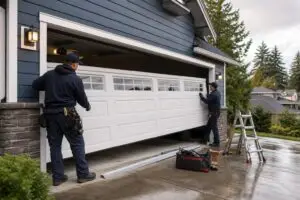
Garage door price installed is where budgets often jump, because installation is not just “hang the door and go.” A professional install typically includes removing the old door, installing tracks and hardware, setting springs, aligning the door, and testing safety features.
In Seattle, labor rates and disposal costs can run higher than smaller markets, so installed totals may be above broad national averages. The more custom the door, the more the labor and hardware tend to increase.
Installation Costs Explained
Installation costs are driven by time, complexity, and risk. A straightforward replacement with a standard-size steel door is usually the simplest scenario. Costs increase when:
- The opening needs adjustment or framing repair
- Tracks, bearings, or rollers are worn and should be replaced
- Springs must be upgraded for a heavier insulated door
- The door is taller, wider, or custom
- The project includes an opener replacement or relocation
You are not only paying for labor, you are paying for safe setup. Springs store enough force to cause serious injury if mishandled.
Professional vs DIY Installation Costs
DIY can look cheaper upfront, but garage doors are not a forgiving project. Most homeowners underestimate the weight, the precision required for smooth operation, and the hazard involved with spring work.
Professional installation typically costs more, but it often includes:
- Proper spring sizing and balance
- Correct track alignment and reinforcement
- Safety testing of sensors and auto-reverse features
- Warranty support on labor
If you are tempted to DIY, consider a middle ground: handle measuring and door selection yourself, but leave the install and spring work to a trained technician. That approach often saves time, reduces risk, and avoids expensive mistakes.
Additional Costs to Consider
Even after you choose a door size and material, the final number can change with upgrades. These are the line items that commonly show up on quotes and shift the total more than people expect.
Custom Features
Custom features can include windows, decorative hardware, special panel designs, and upgraded finishes. They can also include structural reinforcements for extra-wide doors.
A quick way to control cost is to choose a standard design and keep customization focused. For example, a modest top-row window package can add curb appeal without turning the door into a fully custom build.
Insulation Options
Insulation is one of the most valuable upgrades for many homes, especially attached garages. A better-insulated door can reduce temperature swings and cut down on noise.
Insulation costs vary based on:
- Insulation type (polystyrene vs polyurethane)
- Door thickness and construction
- The R-value level you select
- Whether the door is a true multi-layer “sandwich” build
If you are weighing insulated vs non-insulated pricing, focus on your use case. If you work in the garage or have living space nearby, insulation is often worth the extra cost.
Automation Costs
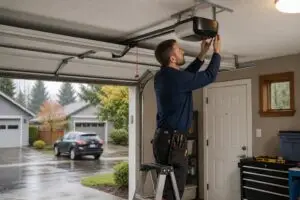
Most homes use an automated garage door opener, but “automation” can mean anything from a basic opener to a quiet, smart-enabled system with battery backup and upgraded controls.
Costs can increase with:
- Opener replacement, especially if the existing unit is undersized
- Quieter drive systems and premium features
- New wiring, outlets, or keypad additions
- Smart controls and added security accessories
If your door is heavier due to insulation or a premium build, make sure the opener is matched to the door. A mismatch can lead to noisy operation and early wear.
How to Choose the Right Garage Door
The best door is not always the most expensive door. It is the door that fits your opening, supports your day-to-day use, and matches your budget without sacrificing safety and reliability.
If you want a clean plan, decide in this order: size, construction level, style, then upgrades. That keeps you from falling in love with a premium look that does not fit the opening or the budget.
Considerations Based on Budget
If budget is tight, prioritize the fundamentals:
- Choose a standard size if possible
- Pick a durable material, often steel
- Invest in correct hardware and spring sizing
- Add insulation only if it solves a real problem for your home
If you have flexibility, upgrade where you will feel it: better insulation, better construction, and a quieter opener. Those improvements show up every day.
Understanding Your Home’s Aesthetic
Garage doors take up a large part of the front of many homes, so style matters. Try to match the home’s lines and materials. Modern homes often look best with clean flush panels and minimal hardware, while traditional homes may fit raised panels or carriage-style designs.
If you are unsure, keep it simple. A classic design in a neutral color is hard to regret, and it usually keeps your options open for future resale.
Conclusion
So, how much is a garage door? The most accurate answer is that the price depends on the door’s size, material, insulation, and the scope of installation work. If you want a reliable budget, compare garage door price by size and garage door price by material first, then confirm what is included in the garage door price installed quote.
For homeowners in Seattle, the safest approach is to measure carefully, choose a door that fits your needs, and work with a professional for installation and spring setup. When your largest moving part in the house is tuned correctly, it runs quieter, lasts longer, and does not turn into a recurring repair project.