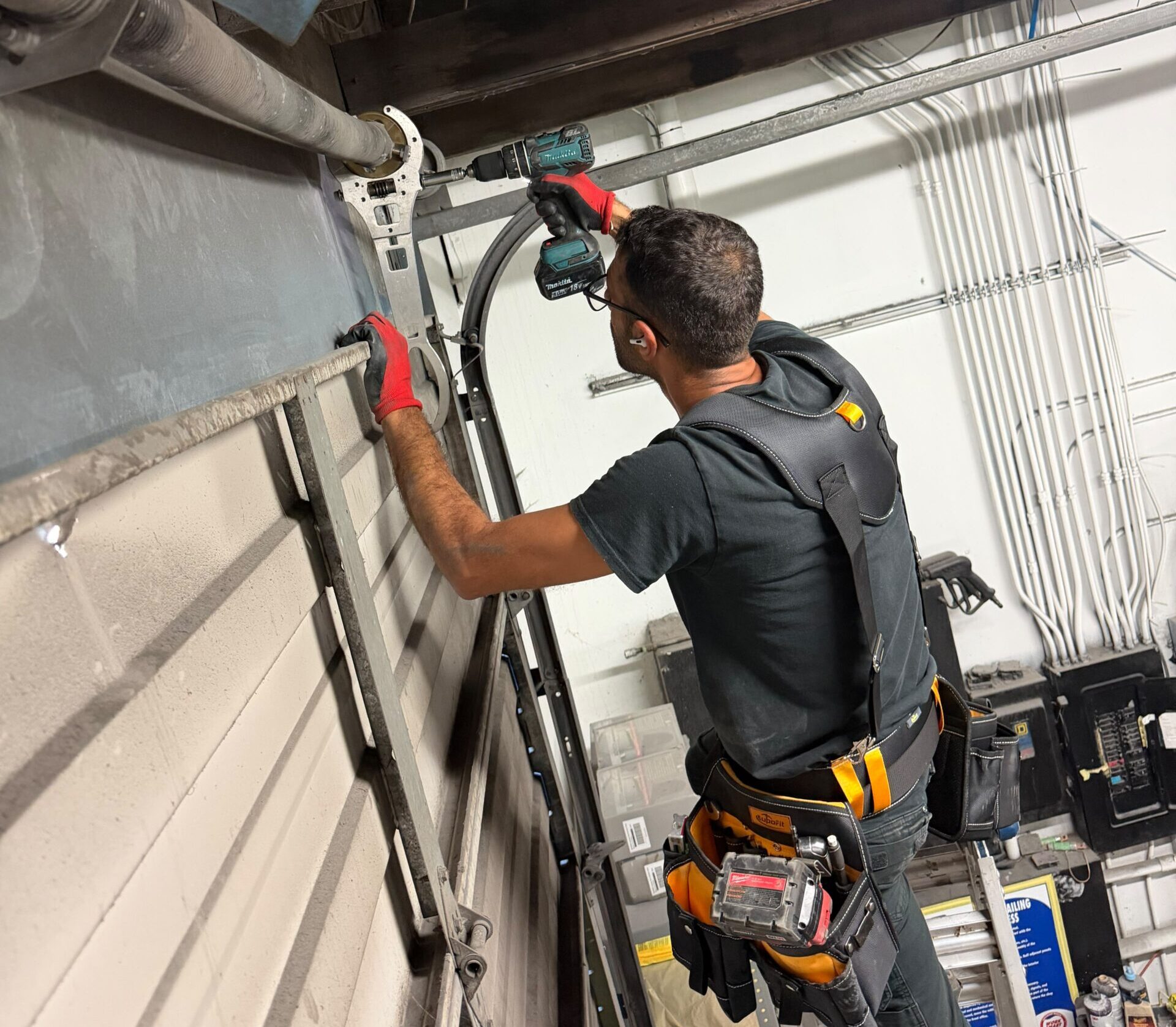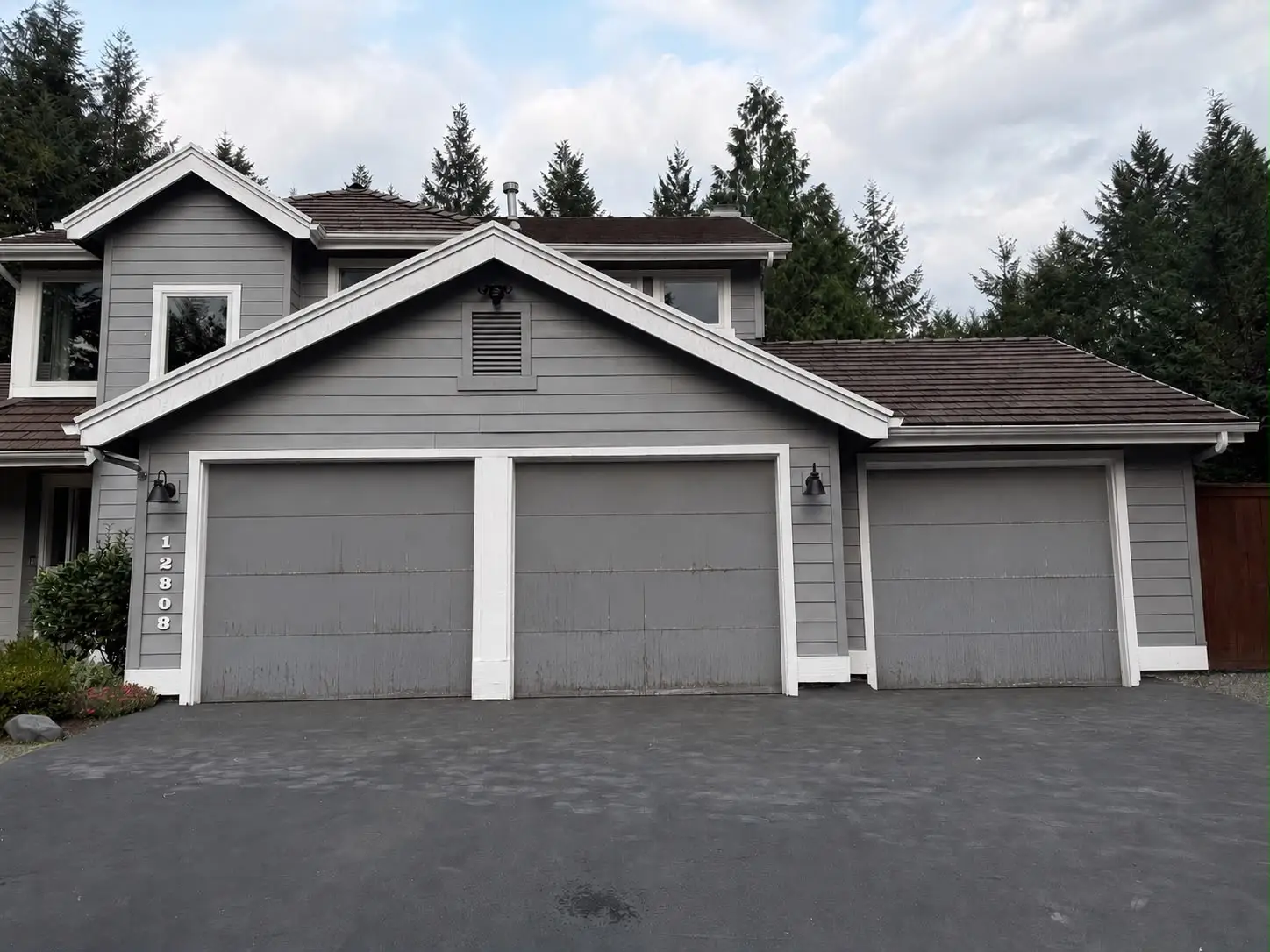

Garage door windows can transform a garage from a dim, purely utilitarian space into one that feels brighter, more inviting, and better connected to the rest of the home. At the same time, adding glass to a large exterior door raises practical questions about privacy, insulation, and security. This guide walks through the main tradeoffs so you can decide what works for your layout, climate, and daily habits. You will learn how different glass choices affect durability and comfort, where window placement matters most, and how to keep sightlines under control without sacrificing daylight. If you are weighing a new door or a retrofit, these considerations will help you choose confidently.
- Windows can improve daylight and curb appeal, but they change privacy and security dynamics.
- Glass type matters: tempered and laminated options behave differently when impacted.
- Placement is as important as the glass itself for managing visibility from the street.
- Energy performance depends on glazing choices and how well the door is insulated overall.
- Decorative films and frosted finishes can balance light with garage door windows privacy.
Importance of Garage Door Windows
Garage door windows are often treated as a design add-on, but they influence how you use the garage every day. If your garage doubles as a workshop, laundry area, home gym, or frequently used entry, natural light can make the space more functional. Windows also affect how the door looks from the curb, which can change the overall character of the facade.
They also introduce a new material into the door system: glass. That can be a benefit or a vulnerability depending on the glass choice, the surrounding frame, and what is visible inside. Thinking through lighting, aesthetics, and security together helps you avoid surprises after installation.
Benefits of Natural Light
Bringing daylight into a garage can reduce the need to turn on overhead lights during daytime hours and make the space feel less enclosed. This is especially helpful in deep garages where ceiling fixtures do not reach the back wall well. Better light can improve safety too, since you are more likely to notice obstacles, spills, and tools on the floor.
Natural light also supports common garage uses beyond parking. If you do hobbies, DIY projects, or basic maintenance, light from garage door windows reduces shadows and eye strain. Even if you rarely work in the garage, daylight can make it more pleasant when loading the car, taking out trash, or entering through an interior door.
Enhanced Aesthetic Appeal
They also introduce a new material into the door system: glass. That can be a benefit or a vulnerability depending on the glass choice, the surrounding frame, and what is visible inside. Thinking through lighting, aesthetics, and security together helps you avoid surprises after installation with black garage doors with windows.
From a curb appeal perspective, windows can break up a large, flat surface and add architectural detail. They can echo the shapes of nearby windows on the home, making the garage door feel more integrated rather than an oversized blank panel. Decorative grilles and different pane patterns can lean traditional, modern, or craftsman depending on your style.
Inside the garage, windows can also make the door feel lighter and less industrial. If you have a finished or semi-finished garage, the added daylight can highlight wall finishes and storage systems. The key is to match window size and placement with the scale of the door so the design feels intentional rather than tacked on.
Potential Security Risks
The most common concern is visibility: windows can allow someone outside to see tools, bikes, stored boxes, or even whether a vehicle is home. That information can increase temptation for theft. Windows may also signal that the garage is used as a living or hobby space, implying there may be valuables inside.
There is also the physical risk of glass breakage. While many modern options are designed for impact resistance, glass is still a different failure point than steel, wood, or composite panels. Security risk can be reduced through smart placement, privacy glass, and keeping valuables out of direct sightlines.
Should a Garage Door Have Windows?
Whether to add windows depends on what you value most: light and design, or maximum privacy and a simpler envelope. There is no universal rule, but asking the right questions makes the decision easier. Consider what faces the street, how close neighbors and sidewalks are, and how often you use the garage as a workspace.
It also helps to think about climate and comfort. If your garage is attached to the house or has conditioned rooms above it, glazing choices and insulation details become more important. The question should a garage door have windows is really about balancing appearance, daily function, and practical performance.
Pros of Garage Door Windows
The advantages are straightforward. Windows bring in daylight, improve the look of the door, and can make the garage feel more like a finished part of the home. In some layouts, windows can also provide a helpful visual cue when moving around the garage, especially near the door.
Windows may also improve the experience of arriving home. A well-designed door with windows can make the front of the home feel more welcoming. If you plan to sell in the future, an attractive garage door can support a positive first impression, particularly when the garage faces the street.
Cons of Garage Door Windows
The main drawbacks are privacy, security, and potential energy losses if the glazing is low quality. Clear glass is the biggest privacy risk, but even decorative designs can reveal silhouettes at night when the interior lights are on. Security concerns are typically more about what can be seen than about someone breaking the glass, but both are worth considering.
Energy performance can also change. Glass usually insulates less than an insulated door panel, so adding windows can create a weaker spot in the door’s thermal envelope. Maintenance is another minor downside: glass shows dust and smudges and may need periodic cleaning to look its best.
Situational Considerations
The best choice depends on your surroundings and how you use the space. If your garage faces a busy street or sidewalk, privacy-friendly options and higher window placement can be important. If the garage faces a backyard or a long driveway, windows may feel low risk while still delivering light.
Before committing, walk outside and identify sightlines at eye level and from passing cars. Also check what is directly behind where the windows would be, such as shelving or a workbench. If you are unsure, prioritize flexible solutions like frosted glass or films that can be updated later.
Garage Door Window Glass Options
Garage door window glass options vary widely in clarity, strength, and insulating value. The right choice depends on your priorities: impact behavior, privacy, and comfort. It is also worth considering how the glass is mounted, since the frame and seals influence durability and air leakage as much as the pane itself.
When evaluating options, focus on how the glass behaves if struck and how it performs across seasons. Even a small number of windows can change the feel of the garage, so it pays to select a glazing type that aligns with your security and energy goals.
Types of Glass
At a basic level, you will typically see clear, frosted, tinted, and decorative patterned glass. Clear glass provides maximum daylight and visibility, but it also offers the least privacy. Frosted and patterned glass diffuse light, giving a bright effect while obscuring details. Tinted glass can reduce glare and visibility, though the degree depends on the tint level.
You may also encounter acrylic or polycarbonate panels in some designs. These can be lightweight and impact resistant, but they can scratch more easily and may not look the same as glass over time. Ask what is used and how it is rated for weathering and cleaning.
It also helps to think about climate and comfort. If your garage is attached to the house or has conditioned rooms above it, glazing choices and insulation details become more important. The question should a garage door have windows is really about balancing appearance, daily function, and practical performance, which is why a garage door consultation can be beneficial.
Tempered Glass
Tempered glass is heat-treated to increase strength compared with standard glass. If it breaks, it tends to shatter into many small pieces rather than sharp shards, which can reduce the risk of serious cuts. This break pattern is one reason tempered glass is commonly used where safety is a concern.
For garage doors, tempered glass can be a solid baseline choice when you want a traditional glass look and predictable safety behavior. However, while it is stronger than regular glass, it can still break from a sharp impact. Pairing tempered glass with privacy-focused finishes and thoughtful placement can address common concerns.
Laminated Glass
Laminated glass sandwiches a plastic interlayer between two sheets of glass. If it cracks, the pieces tend to adhere to the interlayer rather than falling out. This can help maintain a barrier even after damage, which can be useful for security and for reducing the mess of broken glass.
Laminated glass is often chosen when you want added resistance to penetration or when you want the window to stay intact after impact. It can also help reduce some outside noise. The tradeoff is that it may cost more and can be slightly heavier, which matters when combined with the door’s overall weight and balance.
Energy Efficient Glass Choices
If comfort matters, look beyond the appearance of the window and consider the insulating properties. In many garages, the biggest comfort gains come from the door’s insulation and air sealing, but window choices still play a role. Energy-focused glass can help reduce drafts and temperature swings near the door.
The main drawbacks are privacy, security, and potential energy losses if the glazing is low quality. Clear glass is the biggest privacy risk, but even decorative designs can reveal silhouettes at night when the interior lights are on. Security concerns are typically more about what can be seen than about someone breaking the glass, especially when it comes to garage door panel replacements, but both are worth considering.
When comparing options, consider whether the garage is attached, whether there are living spaces adjacent, and whether you spend time in the garage. If the garage is conditioned or you use it daily, energy-oriented glazing may be worth prioritizing.
Low-E Glass
Low-E glass has a thin coating designed to reflect certain types of heat energy while allowing visible light through. In practical terms, it can help reduce unwanted heat transfer, supporting more stable temperatures in both warm and cool seasons depending on the configuration.
For a garage door, Low-E can be a smart upgrade if sun exposure is strong or if the garage connects directly to the home. It can also help reduce fading of items stored near the windows. To get the benefit, make sure the overall window assembly is well sealed so air leakage does not undermine performance.
Insulated Glass
Insulated glass, often referred to as double-pane, uses two layers of glass with a sealed space between them. This design reduces heat transfer and can also help with condensation compared with single-pane glass in many conditions. It may also reduce outside noise.
Insulated glass makes the most sense when you are already investing in an insulated garage door and want the windows to align with that performance. If your door panels are insulated but the windows are not, the windows can become the most noticeable cold or warm spot, especially if you stand nearby.
Garage Door Windows and Privacy
Privacy is usually the deciding factor for homeowners who like the look of windows but hesitate to add them. The good news is that privacy does not have to mean a dark garage. With the right glass finish and placement, you can keep daylight while limiting what outsiders can see.
It is also helpful to consider nighttime conditions. Even privacy glass can behave differently when interior lights are on. Planning for both day and night will lead to fewer surprises, especially if your garage faces the street or a neighbor’s driveway.
Frosted and Tinted Glass
Frosted glass diffuses light and blurs details, making it difficult to see stored items or activity inside. It is one of the most straightforward solutions for garage door windows privacy because it works without adding extra layers or maintenance steps. Patterned or obscure glass can offer a similar effect with a more decorative look.
Tinted glass reduces visibility by darkening the view, but it can still allow silhouettes and may be less effective at night when interior lights are brighter than outside. In bright climates, tint can also reduce glare. The best choice depends on whether your priority is maximum diffusion or a sleeker, darker appearance.
Window Placement for Optimal Privacy
Placement is a powerful privacy tool. Windows positioned along the top panel of the door often bring in light while keeping sightlines above eye level from most street viewpoints. This approach works well when you want daylight without showcasing what is stored on the floor or along lower walls.
Garage door window glass options for glass garage doors vary widely in clarity, strength, and insulating value. The right choice depends on your priorities: impact behavior, privacy, and comfort. It is also worth considering how the glass is mounted, since the frame and seals influence durability and air leakage as much as the pane itself.
Before finalizing placement, stand at the curb, at a neighbor’s property line, and near common walking paths. Imagine the garage lit at night. If the windows align with shelving or a workbench, consider moving storage or adding cabinet fronts so that even partial visibility does not reveal valuables.
Decorative Privacy Films
Privacy films can be applied to existing windows, which is useful if you already have clear glass or if you want the option to change the look later. Films come in frosted styles, geometric patterns, and textured designs that mimic etched glass. They can also help reduce glare depending on the product.
A practical approach is to use film strategically rather than covering everything. For example:
- Apply film to the lower portion of each pane if your main concern is eye-level visibility
- Choose a fully frosted film for maximum diffusion when nighttime silhouettes are a concern
- Select a decorative pattern if you want privacy plus a design detail that matches the home
Garage Door Windows and Energy Efficiency
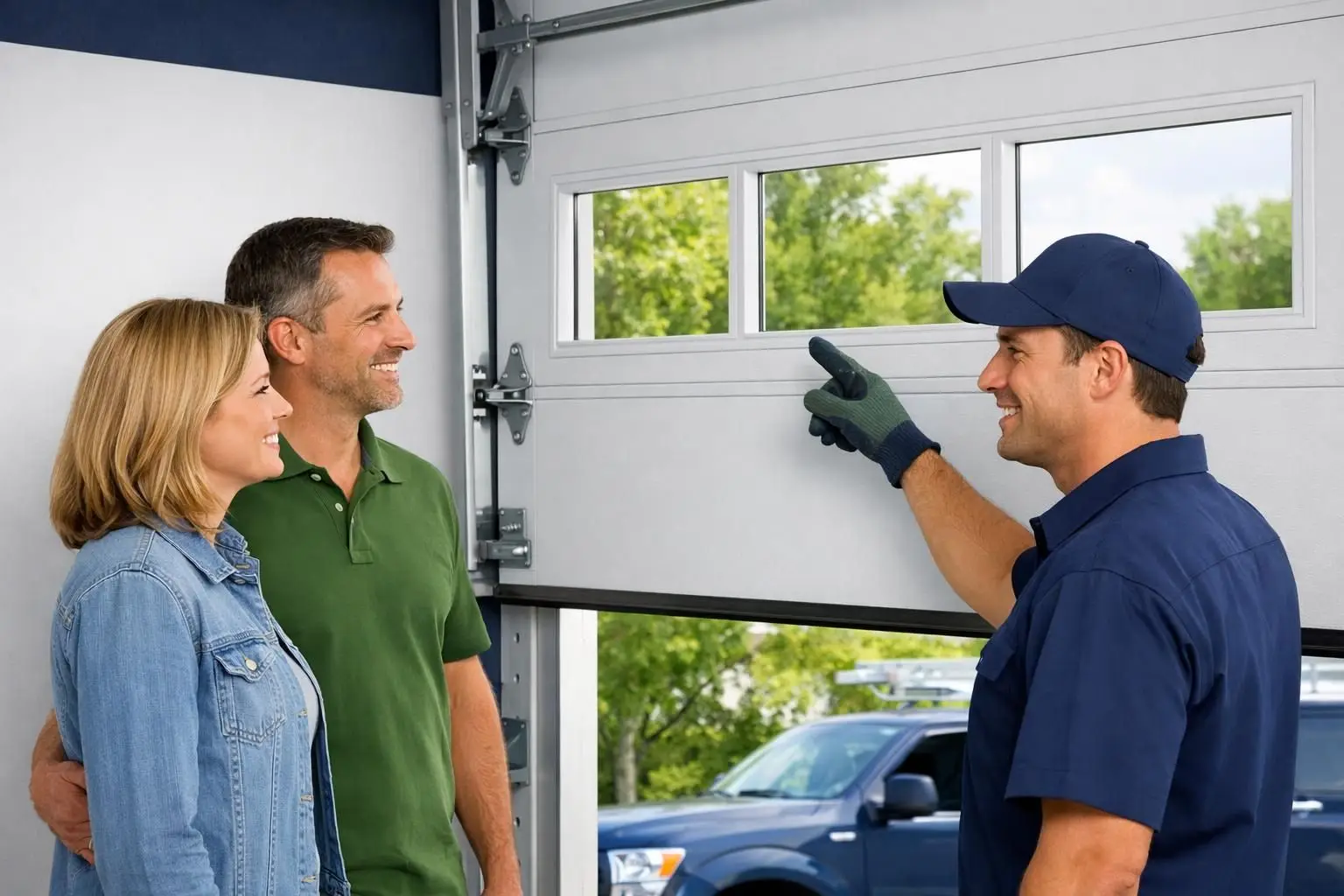
Garage door windows energy efficiency is influenced by more than the glass alone. The door’s insulation, perimeter seals, and how often the door opens all matter. Still, windows can be a meaningful part of the overall thermal performance, particularly in attached garages where temperature swings can affect adjacent rooms.
Garage door windows energy efficiency is influenced by more than the glass alone. The door’s insulation, including garage door insulation, perimeter seals, and how often the door opens all matter. Still, windows can be a meaningful part of the overall thermal performance, particularly in attached garages where temperature swings can affect adjacent rooms.
If your goal is comfort, think in systems: insulated door panels, quality weatherstripping, and window glazing that does not become a hot or cold spot. If your goal is simply daylight, you may accept some efficiency tradeoffs, but it is still wise to avoid the least efficient glazing options.
Impact on Heating and Cooling
Glass typically allows more heat transfer than an insulated panel, so windows can increase heat gain in summer and heat loss in winter. In a detached garage used mainly for storage, the impact may be minor. In an attached garage, temperature changes can influence the feel of rooms nearby, especially if there is a shared wall or an entry door that is frequently used.
Sun exposure matters too. A west- or south-facing door may experience stronger afternoon sun, which can warm the garage through the windows. Using frosted, tinted, Low-E, or insulated glass can help moderate these swings while keeping the benefit of daylight.
Energy Ratings for Garage Door Windows
Energy performance is often described through a combination of factors such as how well the window resists heat flow and how much solar heat it lets in. Rather than focusing on a single number, compare window options based on their intended purpose: reducing heat loss, limiting heat gain, or balancing both.
Also remember the door itself. A high-quality insulated door with poor window glazing can feel inconsistent in performance. If you are upgrading, try to align window choices with the door’s insulation level so one component does not undermine the other.
Tips for Enhancing Energy Efficiency
If you want windows but also want better comfort, focus on practical improvements that work together:
- Choose insulated or Low-E glass when comfort is a priority
- Keep weatherstripping in good condition to reduce drafts around the door
- Use top-panel window placement to reduce direct sightlines and limit direct sun angles in some layouts
- Avoid storing temperature-sensitive items directly against the door where hot and cold spots are strongest
- Consider interior shades or removable insulated covers if the garage is used as a workspace
Conclusion
Garage door windows can be a smart upgrade when you want more daylight, a better-looking facade, and a garage that feels less like a cave. The right setup depends on where your door faces, what is visible inside, and how much you care about comfort in different seasons. By choosing appropriate glazing, planning window placement, and using privacy tools like frosted finishes or films, you can reduce security and visibility concerns without giving up light. As a next step, map your exterior sightlines and decide whether privacy or insulation is your top priority, then select garage door windows that match those needs.