Quick Summary
- Explains how garage door systems work and the most common failure points, including broken springs, misaligned tracks, worn rollers, and opener malfunctions.
- Prioritizes safety steps while waiting for emergency service: stay clear of the door, disconnect the opener with the emergency release, and keep children and pets away.
- Recommends a quick visual and sound-based assessment (no touching damaged parts) to identify debris, unusual noises, and visible wear on springs, cables, hinges, and tracks.
- Covers safe DIY tasks that may help temporarily, such as lubricating moving parts with silicone-based lubricant, tightening loose hardware, and cleaning/realigning safety sensors.
- Clarifies when to call a technician (springs, track/roller replacement, and electrical opener issues), outlines typical Seattle-area repair costs ($150–$350+), and lists preventive monthly maintenance checks.
A broken garage door can put your home at risk and disrupt your day, especially when it happens unexpectedly. This guide explains what to do while waiting for emergency garage door service, how to stay safe, and which garage door parts commonly fail. By knowing these steps, homeowners can prevent further damage and keep the situation under control.
Understanding the Basics of Your Garage Door System
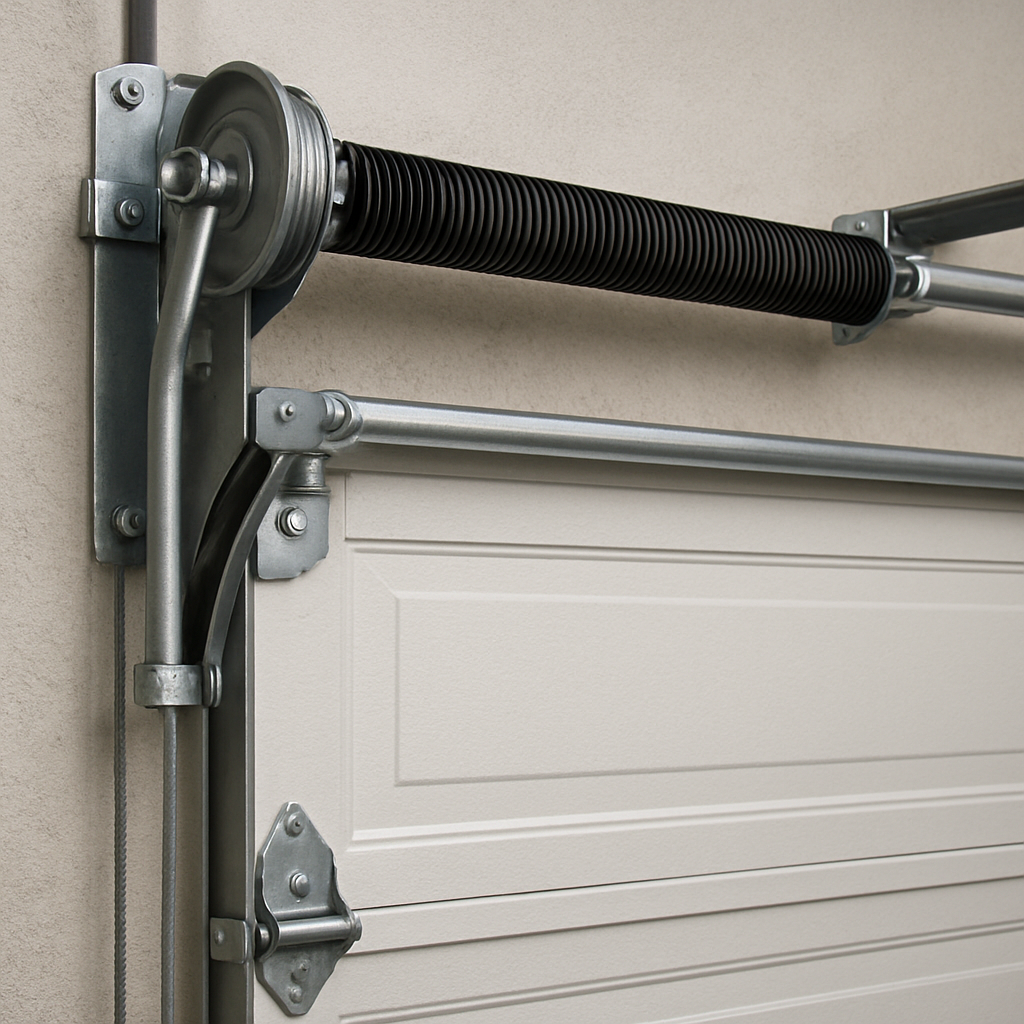
When a garage door stops moving, understanding how the system works can help you identify what went wrong. A standard garage door relies on multiple components—springs, rollers, tracks, cables, and the opener—to lift and lower the door safely. When even one part fails, the entire system can become unstable.
Common Issues That Lead to Garage Door Failure
Several mechanical issues can cause a broken garage door to stop functioning. Some are minor, while others require immediate professional attention.
Typical causes include:
- Broken springs that can no longer support the door’s weight
- Misaligned tracks preventing the door from moving smoothly
- Worn or damaged rollers creating friction or blockage
- Opener failures due to motor or electrical malfunctions
Understanding these problems helps you recognize when the issue is beyond DIY garage door repair and requires a technician.
Immediate Steps to Take for Safety
Before attempting to inspect the door, take precautions to protect yourself and anyone nearby. Garage doors are heavy, and when components fail, they can become unpredictable.
Ensure Safety First
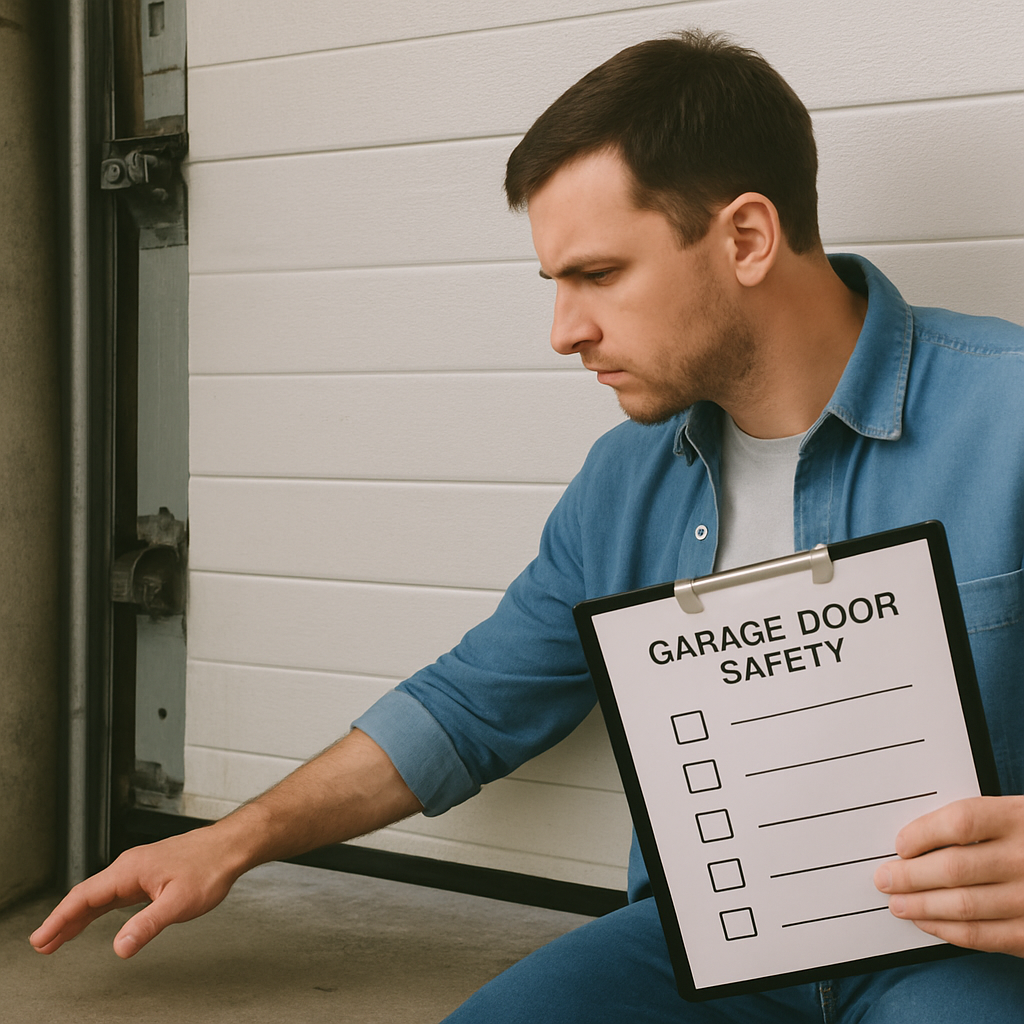
Prioritize safety while waiting for help. A malfunctioning door can fall suddenly or move erratically.
Key safety steps include:
- Staying clear of the door and avoiding walking underneath it
- Disconnecting the opener using the emergency release cord
- Keeping children and pets out of the garage until repairs are done
These simple precautions reduce the risk of injury and prevent accidental activation.
Assess the Situation
Once the area is secure, you can perform a quick visual and audible inspection to gather helpful information for the technician.
Listen for grinding, squeaking, or straining sounds, as they often point to roller or track issues. Check for debris or objects blocking the tracks, and look closely at springs, cables, and hinges for visible signs of wear or damage. Avoid touching broken components, especially springs, as they can be dangerous even when stationary.
DIY Garage Door Repair Tips
Some garage door issues are safe to handle on your own, especially when you’re waiting for a technician to arrive. Simple tasks like lubricating hardware or checking sensors can restore partial functionality and prevent additional strain on garage door parts.
Lubricate Moving Parts
If your door squeaks or grinds, applying silicone-based lubricant to rollers, hinges, and tracks can help quiet the system. Avoid grease—it collects dust and debris, which can make the problem worse. Lubrication is an important part of general garage door maintenance and can extend component lifespan.
Tighten Loose Hardware
Vibration from daily use can loosen bolts, brackets, and hinges. Tightening them with a socket wrench or screwdriver may improve movement and reduce noise.
Quick hardware checks include:
- Securing loose hinge bolts
- Tightening track brackets
- Checking roller stems for wobble
If any component looks bent or damaged, avoid DIY fixes and wait for a professional.
Test the Safety Sensors
If the garage door won’t close, misaligned or dirty sensors are often the reason. Ensure both sensors are clean, level, and pointing directly at one another. Obstructions, dust, or bumps can disrupt the light beam and cause the door to reverse.
When to Call a Professional
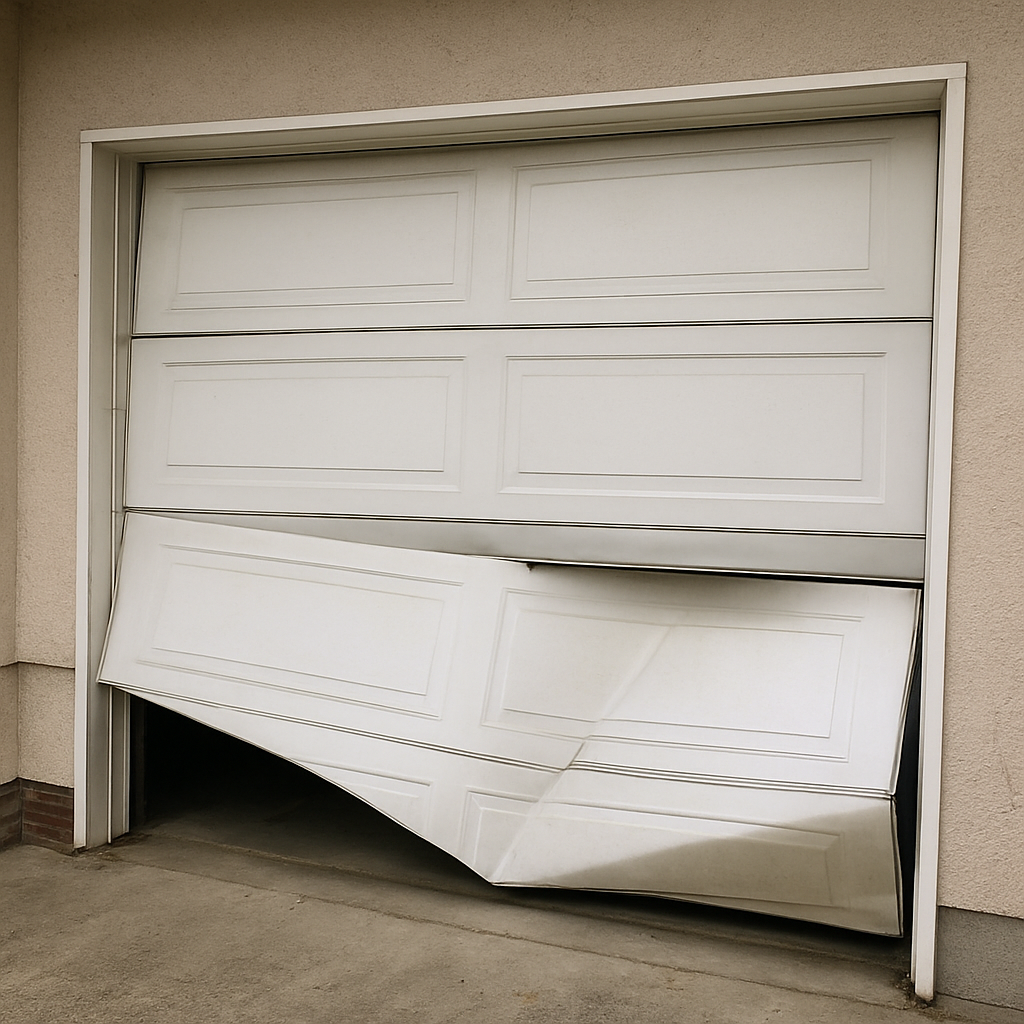 by Brandon Griggs (https://unsplash.com/@paralitik)
Some garage door issues are dangerous to handle without training. Professional emergency garage door service is always recommended for repairs involving high tension, electrical risks, or structural problems.
Problems That Require a Technician
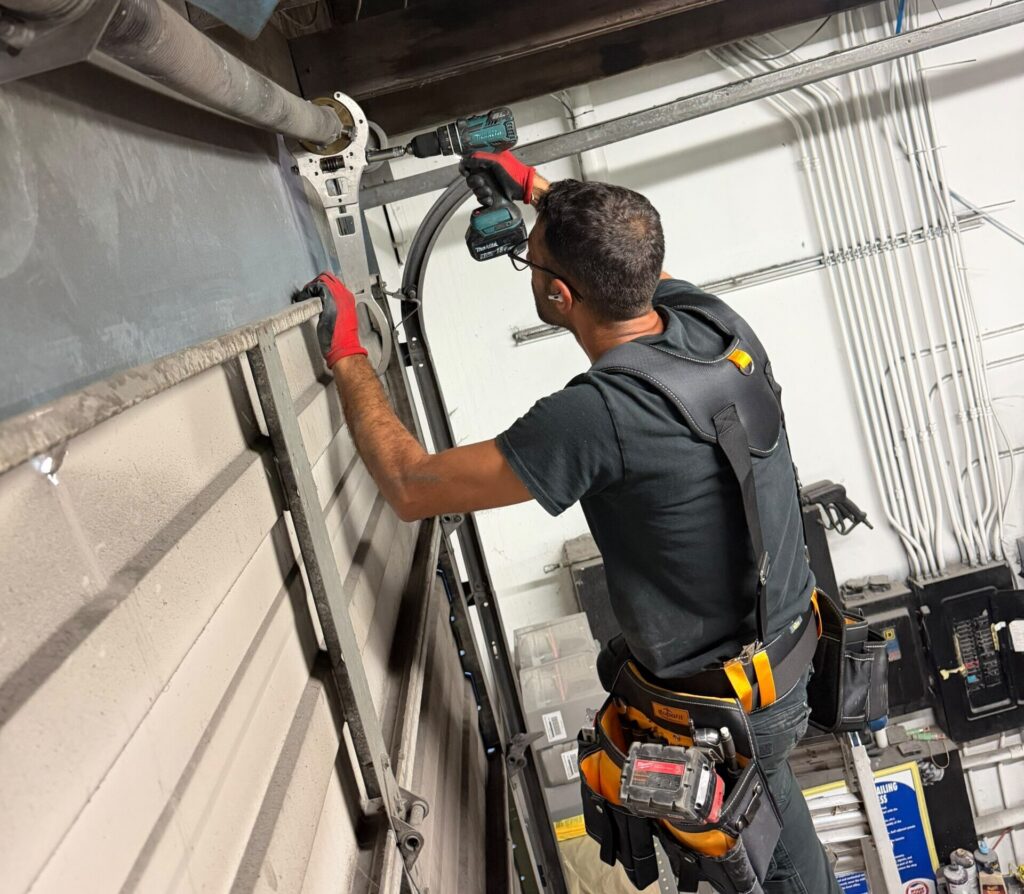
Broken springs are the most critical repair—torsion and extension springs are under extreme tension, and handling them without proper tools can cause severe injury. Track or roller replacement also requires precise alignment to prevent further damage. Electrical or motor-related opener problems should only be repaired by a trained technician to avoid overheating or system failure.
Understanding Garage Door Repair Costs
While waiting for help, it’s useful to understand the typical garage door repair cost so you know what to expect. Prices vary based on labor, parts, and the complexity of the problem.
Factors Affecting Repair Costs
Repairs involving electrical components, spring systems, or structural parts generally cost more than simple sensor adjustments. Part quality also influences total cost—springs, cables, and openers are more expensive than hinges or fasteners. Labor rates vary by company, especially for after-hours or weekend calls.
Average Repair Costs
Most Seattle-area homeowners pay between $150 and $350 for standard repairs. Spring replacement, opener repairs, and major hardware fixes may fall toward the higher end. More complex issues can exceed this range, depending on parts and labor.
Preventive Measures for Future Safety
Once your door is operating normally again, preventive maintenance can reduce the risk of future emergencies. Simple monthly checks help identify issues early and keep your door operating safely.
Regular Maintenance
Keeping your system clean and lubricated ensures smoother operation and reduces wear.
- Inspect cables, springs, and hinges monthly
- Clean debris from tracks for unobstructed movement
- Test balance by lifting the door halfway—if it doesn’t stay put, a technician should adjust it
Routine checks can prevent unexpected breakdowns and extend lifespan.
Safety Tips for Your Garage Door
To protect your opener and ensure safe operation:
Helpful safety measures include:
- Installing a surge protector to prevent electrical damage
- Teaching family members how to use the emergency release
- Keeping the remote out of children’s reach
- Safety awareness helps prevent accidents and ensures everyone knows how to respond during a malfunction.
Conclusion
Garage door emergencies are stressful, but knowing what to do while waiting for a professional makes the situation safer and easier to manage. Focus on safety first, address minor issues only when appropriate, and leave complex repairs to trained technicians. Understanding how your door works and performing regular garage door maintenance lowers the risk of future breakdowns. With the right approach, you’ll keep your system reliable and extend the life of your garage door for years.