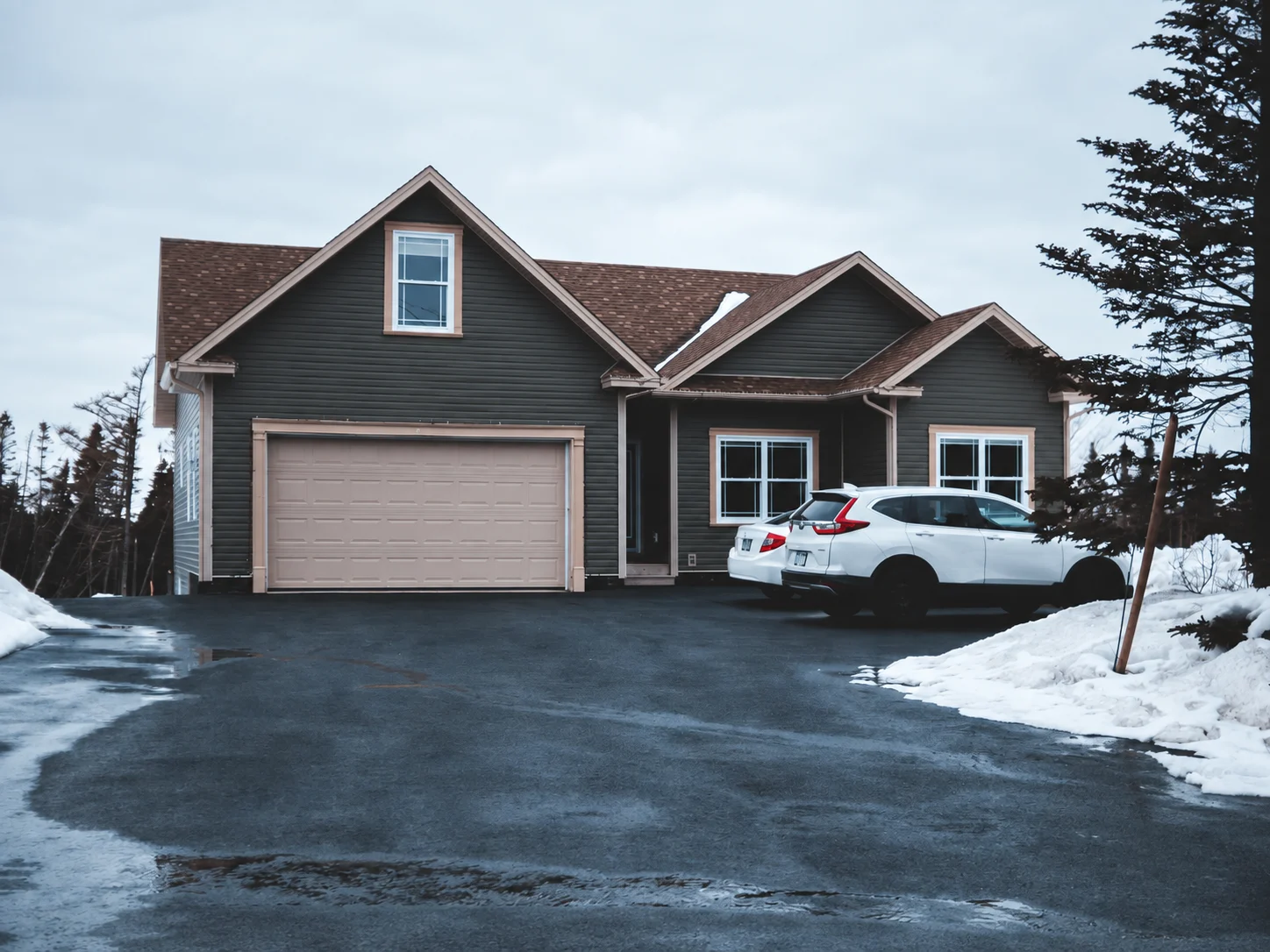

A garage door is one of the hardest-working systems in any house, and with all those moving parts, it’s no surprise that it can sometimes get noisy. While a little sound here and there is normal, ongoing or unusual garage door noises often point to problems that shouldn’t be ignored. Understanding the meaning behind those sounds can save you time, money, and headaches by helping you spot issues early.
Quick Summary
- Unusual garage door noises often signal misalignment, wear, or lack of lubrication in moving parts.
- Squeaking/squealing usually means dry rollers or hinges; lubricate, and replace worn rollers if it persists.
- Rattling is commonly loose nuts/bolts or vibration from worn parts; inspect and tighten visible hardware.
- Banging or popping can indicate spring tension issues or panel misalignment; avoid DIY spring work and call a pro.
- Opener grinding/humming may point to worn chain/screw drives or a failing motor; service or replace as needed.
Why Your Garage Door Makes Noises
Every garage door relies on a network of rollers, tracks, hinges, springs, and an opener to move smoothly. When something falls out of line, lacks lubrication, or wears down, the result is often noise. Sometimes the cause is as simple as loose hardware or a need for fresh grease, but other times it signals bigger issues with the garage door system. Learning to tell the difference between harmless sounds and warning signs is key to keeping your door safe and reliable.
Common Garage Door Noises and What They Mean
Hearing noises from your overhead door can feel unsettling, especially if you’re unsure what’s normal. Most garage door sounds fall into a few recognizable categories that point to specific problems.
- Squeaking or squealing sound: Often caused by lack of lubrication on rollers or hinges.
- Rattling: Usually linked to loose hardware like nuts and bolts or vibrations from worn parts.
- Banging noise: Can happen if garage door panels are misaligned or springs are struggling.
- Popping sounds: A sign of tension issues with the garage door spring or other components.
By paying attention to these common garage door noises, you can spot problems before they lead to costly repairs.
Squeaking or Squealing Sound
A squeaking or squealing sound usually comes from rollers and hinges that have dried out over time. Without proper lubrication, these parts grind against metal tracks, creating friction and noise. Applying the right lubricant to garage door tracks, rollers, and hinges often quiets things down quickly. If squeaking continues even after lubrication, it may signal worn rollers or misaligned tracks that need further attention.
Rattling or Vibrations
Rattling noises are often caused by loose hardware. Over time, nuts and bolts can shake free due to the vibrations created every time the garage door opens or closes. This not only makes the door noisy but also places extra stress on garage door components. A quick inspection and tightening of all visible hardware can often eliminate rattling, but if the problem persists, it might involve deeper issues within the garage door system.
Banging or Popping Noises
A banging noise is one of the most alarming sounds a homeowner can hear from their garage. This often happens when springs are under too much strain or when garage door panels shift out of place. Popping noises can also point to problems with a garage door spring losing tension. Since springs carry high pressure, DIY repairs are not recommended here. If you notice popping or a loud garage door slamming shut, it’s time to call a professional garage door technician for your garage door repair.
Parts of the Garage Door System That Cause Noise
Rollers, Hinges, and Springs
The rollers, hinges, and springs are some of the most hardworking garage door parts, and they’re also some of the most common causes of noise. Worn-out rollers may drag along the tracks instead of gliding, creating a lot of noise with every open and close. Hinges can squeak when they become rusty or dry, while springs may groan or pop under too much strain. Checking these garage door components regularly helps prevent noisy garage door problems before they get worse.
Tracks, Lubrication, and Balance
Garage door tracks need to be aligned properly for smooth movement. Misaligned tracks can cause grinding or scraping noises as the rollers struggle to stay on course. A lack of lubrication also leads to squeaking and unnecessary friction between moving garage door parts. To keep things quiet, apply lubrication to rollers and hinges and make sure to balance the garage door so weight is distributed evenly. This not only reduces noises but also extends the life of your garage door system.
When the Garage Door Opener or Overhead Door Is the Issue
Sometimes the noise isn’t from the rollers or springs at all, but from the garage door opener itself. Chain- and screw-drive openers can produce loud noises if they’re worn or poorly maintained. A failing overhead door motor may also create grinding or humming sounds. If the noises grow worse over time, it could mean that the opener needs servicing or replacement. Drive openers that are older models are especially prone to noisy operation, making regular maintenance even more important.
DIY Repairs vs. Calling a Professional Garage Door Technician
Some garage door issues can be solved with simple DIY repairs, like tightening loose hardware or applying lubrication to squeaky hinges. Homeowners who feel comfortable with basic tools can often handle these small problems without risk. However, when it comes to springs, garage door openers, or unusual garage door noises that keep returning, it’s best to call a professional garage door technician. Attempting to repair high-tension springs or opener mechanisms on your own can be dangerous and may cause bigger issues for the entire garage door system.
Regular Maintenance for a Quieter Garage Door
Regular maintenance is the key to preventing a noisy garage door. Scheduling periodic inspections ensures rollers, hinges, tracks, and garage door components are working properly. Many overhead door company services include tightening nuts and bolts, applying lubrication, and checking the garage door balance. These simple steps keep garage door parts running smoothly, reduce loud garage door noises, and extend the lifespan of the system.
- Inspect tracks, rollers, and hinges every few months.
- Keep moving parts lubricated with garage-safe products.
- Call a professional if springs, locks, or the opener show signs of failure.
By staying on top of maintenance, you avoid costly problems while keeping your house quieter and safer.
Conclusion: Stopping Strange Noises for Good
Strange noises from your garage don’t always mean disaster, but they should never be ignored. From squeaking hinges to popping sounds in the springs, every noise has a cause that can be addressed. Sometimes the fix is as easy as lubrication, while other times you’ll need help from a professional garage door service. With regular maintenance and timely repairs, you can keep your overhead door running smoothly, extend the life of your garage door parts, and protect your home from unexpected issues.