Quick Summary
- In Burien’s damp climate, steel vs wood is a tradeoff between low maintenance and premium character.
- Wood delivers high-end curb appeal but needs periodic washing, repainting or restaining, and spot repairs to prevent rot.
- Steel offers strong value and security, with insulation options; protect factory finish and touch up chips to prevent rust.
- Aluminum resists rust in coastal air and suits modern designs, but thinner builds can dent more easily than steel.
- For Seattle weather, an insulated steel door with strong seals is often the lowest-stress option for predictable maintenance.
A steel vs wood garage door choice is usually a choice between low maintenance and premium character. In Burien, Washington, damp air and winter rain can punish finishes and seals, so the “best” material is the one you can realistically maintain.
Introduction
Overview of Garage Door Materials
Most homes choose between steel, wood, or aluminum. Steel doors range from basic panels to insulated construction that feels solid and quiet. Wood doors can be custom and beautiful, but they need protection from moisture and sun. Aluminum doors are often lighter and can pair well with larger window sections. If you are asking what garage door material lasts longest, build quality and hardware matter as much as the material label.
Importance of Choosing the Right Material
A garage door is a huge moving surface that gets opened and exposed to weather every day. The wrong material can mean repeated finish work, corrosion, or a door that feels loose and loud. The right material should match your climate exposure, your maintenance tolerance, and the look of your home.
Pros and Cons of Wood Garage Doors
Aesthetic Appeal
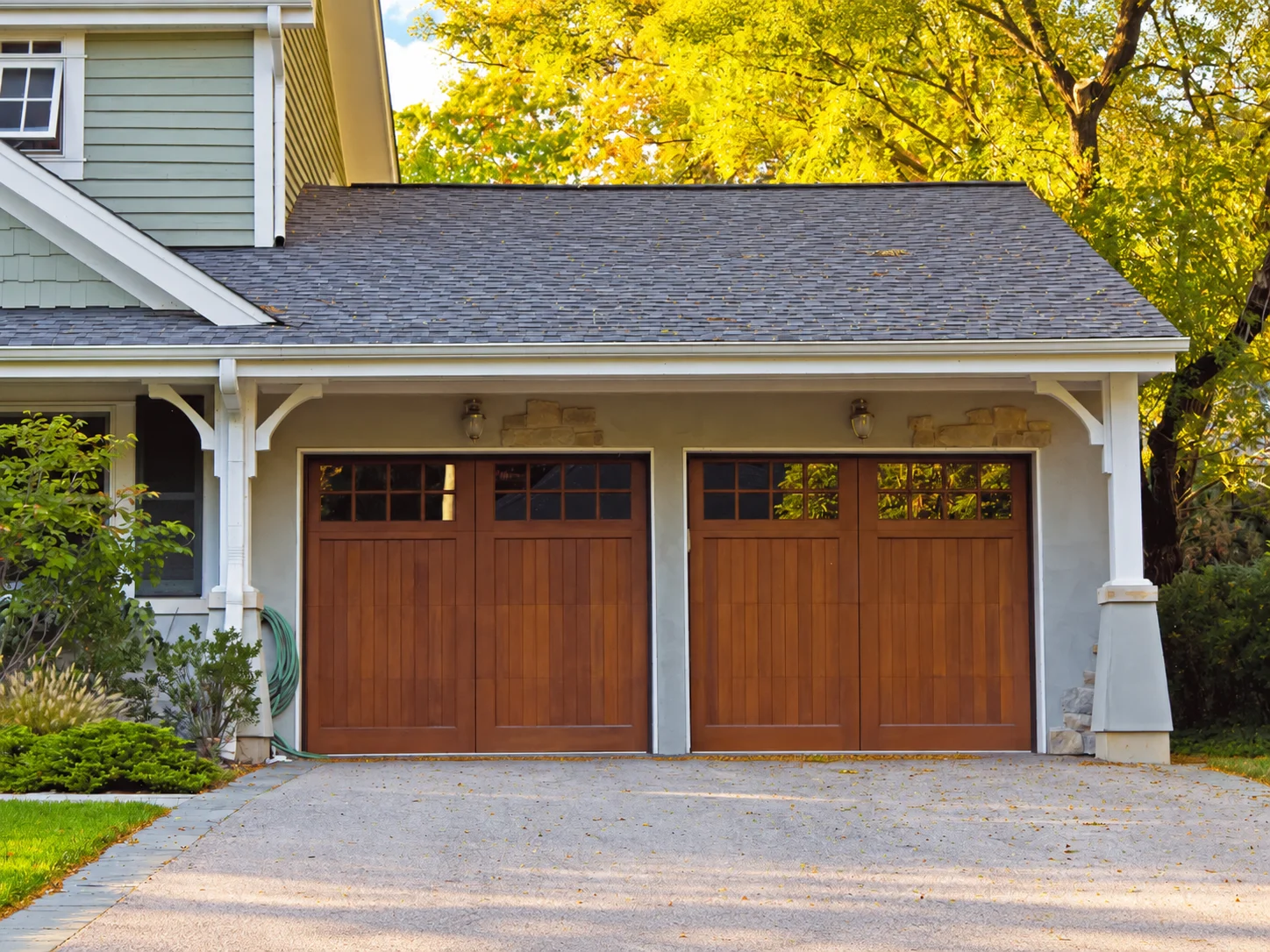
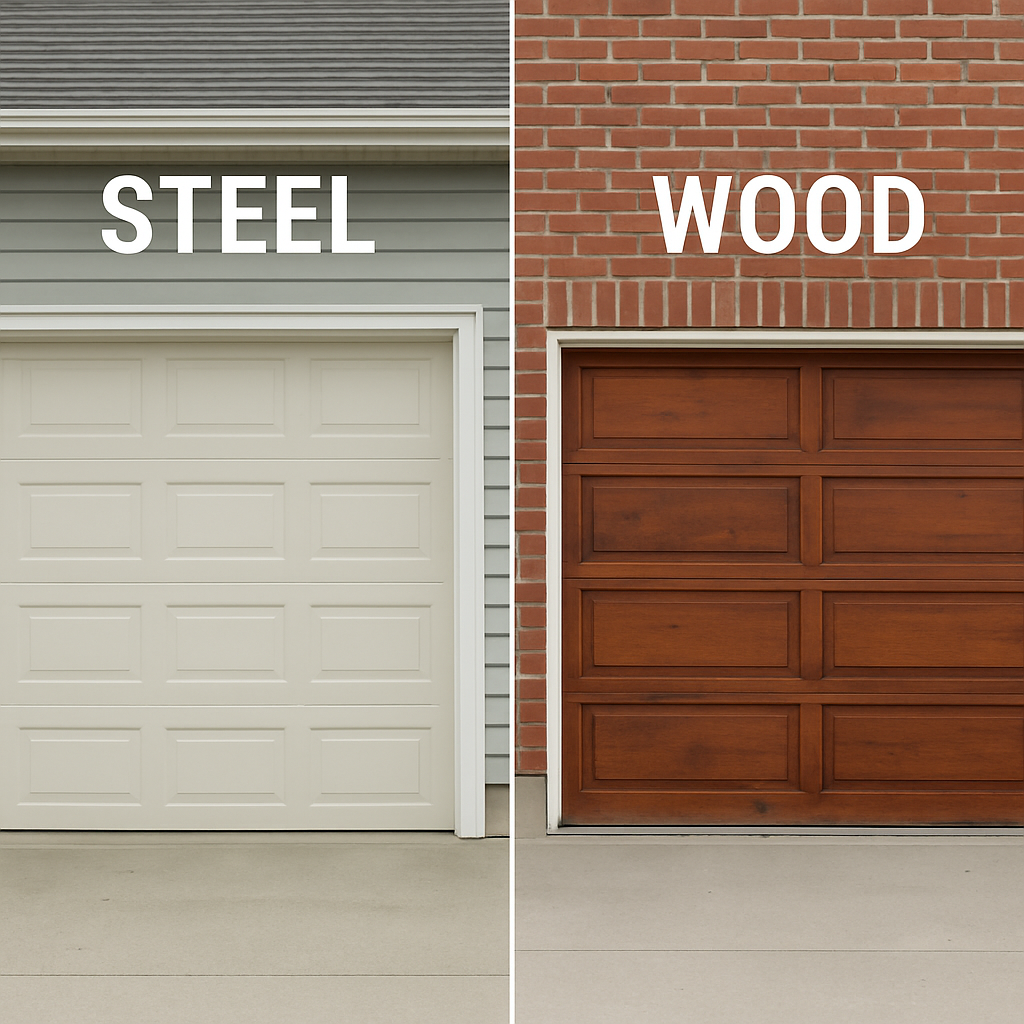
Wood is the curb appeal king. It adds warmth, depth, and a high-end look that works especially well on craftsman and traditional homes.
Durability and Longevity
Wood can last for decades, but it is sensitive to moisture. Swelling and rot often start at seams, window frames, and the bottom edge if the finish fails. In wet months, small chips in paint or stain can turn into bigger repairs if they are ignored.
Maintenance Requirements
The pros and cons of wood garage doors are mostly maintenance. Expect periodic washing, repainting or restaining, and occasional spot repairs. If you do not want that routine, a wood-look steel door can offer similar style with less upkeep.
Best Use Cases for Wood Garage Doors
Wood is a strong fit when the garage door is a focal point and the homeowner will maintain the finish. It also makes sense for sheltered garages that are not blasted by wind-driven rain.
Pros and Cons of Steel Garage Doors
A garage door is a huge moving surface that gets opened and exposed to weather every day. The wrong material can mean repeated finish work, corrosion, or a door that feels loose and loud. The right material should match your climate exposure, your maintenance tolerance, and the look of your home, which is why a garage door consultation can be invaluable.
Strength and Security
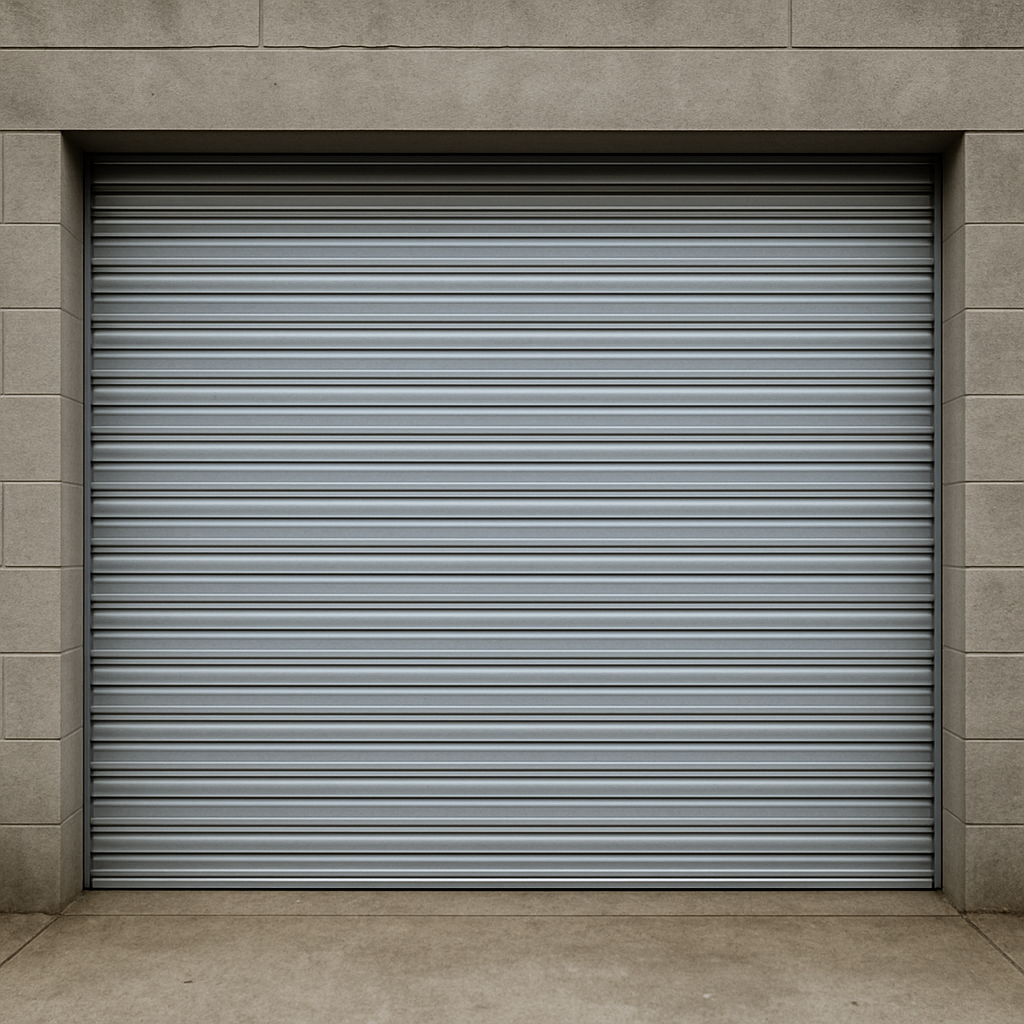
Steel doors are stiff, secure, and widely available in many panel styles. With the right gauge and reinforcement, a steel door can resist everyday impacts better than lighter materials.
Cost-Effectiveness
Steel usually delivers the best value across common sizes. In many steel vs wood garage door comparisons, steel wins on total cost of ownership because it asks for less time and fewer finish repairs.
Weather Resistance
Steel does not swell like wood, but it can rust if the coating is damaged. Prioritize a quality factory finish, good bottom sealing, and quick touch-ups when chips appear.
Best Use Cases for Steel Garage Doors
Steel is often the best garage door material for Seattle weather when you want predictable maintenance, insulation options, and broad style availability. It is also a practical choice for busy households and rentals.
Steel is often the best garage door material for Seattle weather when you want to understand how weather in Seattle impacts garage doors, predictable maintenance, insulation options, and broad style availability. It is also a practical choice for busy households and rentals.
Pros and Cons of Aluminum Garage Doors
Weight and Installation
Aluminum doors are often lighter, which can reduce strain on springs and openers when the system is tuned correctly. The downside is that thinner aluminum can dent from impacts that a sturdier steel door might shrug off.
Corrosion Resistance
Aluminum resists rust, which is valuable in damp coastal air. This is the core of the steel vs aluminum garage door debate: steel tends to resist dents better, aluminum tends to resist rust better.
Pricing and Availability
Aluminum pricing varies. Basic aluminum doors can be competitive, while modern full-view glass designs can cost more. Compare construction level, not just material.
Aluminum pricing varies. Basic aluminum doors can be competitive, while modern full-view glass designs can cost more, so it’s important to consider how much a garage door costs based on size, material, and style. Compare construction level, not just material.
Best Use Cases for Aluminum Garage Doors
Aluminum works best for modern architecture, especially when you want large window areas or slim, clean lines. It is also a good pick when corrosion resistance is the top concern.
Steel vs Wood Garage Door: Which is Best for Seattle Weather?
Climate Considerations
For Burien and the Seattle region, moisture is the main enemy. Wood needs consistent finish maintenance to avoid swelling and rot. Steel needs finish integrity to avoid rust. Aluminum resists rust but may dent in lighter builds. If you want the lowest stress option, an insulated steel door with strong seals is often the safest bet.
Insulation and Energy Efficiency
Comfort comes from construction and sealing as much as material. Insulated steel doors often offer the best range of insulation levels and tend to be quieter. Wood has natural insulating value, but gaps and aging seals can reduce performance if maintenance slips. Aluminum doors can be insulated, but some glass-heavy designs prioritize looks over maximum efficiency. If your garage is attached, insulation and weather stripping usually matter more than chasing a specific material.
Comfort comes from construction and sealing as much as material. Insulated steel doors often offer the best range of insulation levels and tend to be quieter. Wood has natural insulating value, but gaps and aging seals can reduce performance if maintenance slips. Aluminum doors can be insulated, but some glass-heavy designs prioritize looks over maximum efficiency. If your garage is attached, garage door insulation and weather stripping usually matter more than chasing a specific material.
Resale Value
Resale value depends on style. Wood can add a premium look when maintained and matched to the architecture. Steel can boost value when it is insulated, clean-looking, and smooth-running. Aluminum can raise curb appeal on modern homes when the design feels cohesive.
Conclusion: Choosing the Right Garage Door Material for Your Needs
Summary of Key Points
Wood vs steel garage doors is a tradeoff between beauty and upkeep. Wood offers character but demands regular care. Steel offers strong value and easier ownership, but needs quick paint touch-ups to prevent rust. Aluminum offers corrosion resistance and modern styling, but can be dent-prone in lighter builds.
Steel usually delivers the best value across common sizes. In many steel vs wood garage door comparisons, steel wins on total cost of ownership because it offers advantages like the insulated 2-car garage door cost.
Factors to Consider
To choose confidently, decide how exposed your door is to rain and sun, how important insulation is, and how much maintenance you will actually do. If you want low maintenance and versatility, steel is usually the practical answer. If you want premium character and will maintain it, wood can be worth it. If corrosion resistance and modern design are the priority, aluminum is a strong option.