Quick Summary
Garage door tracks should usually be cleaned, not greased. The rollers, hinges, springs, bearings, and other moving metal parts are the areas that typically need lubrication.
Use a garage-door-safe silicone spray or white lithium lubricant. Avoid heavy grease inside the tracks because it can collect dirt and make the door move worse over time.
If the door is still loud, jerky, heavy, or uneven after lubrication, the issue may be worn rollers, bent tracks, weak springs, loose hardware, or poor door balance.
Why Garage Door Lubrication Matters
A garage door moves through a lot of friction every day. Rollers travel along the tracks, hinges bend as the door opens, springs stretch or twist under tension, and the opener works harder when the system is dry or stiff.
Lubrication helps reduce noise, protects moving metal parts, and can make the door move more smoothly. It can also help slow down rust and wear, especially in damp weather or garages that get a lot of daily use.
The key is using lubricant in the right places. More lubricant is not always better. Greasing the wrong parts can attract dust, create buildup, and cause new problems.
Should You Lubricate Garage Door Tracks?
In most cases, no. Garage door tracks should be cleaned, not lubricated.
The rollers need to move through the tracks cleanly. If the tracks are coated with grease, they can collect dirt, dust, leaves, spiderwebs, and grit. That buildup can make the door louder, rougher, or less stable as it moves.
Instead, wipe the inside of the tracks with a dry cloth. If there is sticky buildup, use a mild cleaner, then dry the area before running the door again.
What Parts of a Garage Door Should You Lubricate?
The moving metal parts need the most attention. Focus on areas where metal rubs, pivots, turns, or carries tension.
Rollers
Apply lubricant to the roller bearings, not the track itself. Metal rollers often need light lubrication. Nylon rollers may need less, especially if they have sealed bearings.
If the rollers are cracked, wobbling, flat-spotted, or very noisy, lubrication may not be enough. Worn rollers should be replaced before they damage the tracks or strain the opener.
Hinges
Hinges bend every time the garage door moves through the curved part of the track. Apply a small amount of lubricant at the hinge pivot points.
After spraying, open and close the door a few times, then wipe away excess lubricant. This helps prevent dirt from sticking to the hardware.
Springs
Garage door springs can benefit from a light coat of lubricant to reduce friction and surface rust. This applies to torsion springs above the door and extension springs along the sides.
Do not adjust spring tension yourself. Garage door springs are under dangerous force and should only be serviced by a trained technician.
Bearings and Pulleys
If your system has exposed bearings, pulleys, or metal pivot points, apply a small amount of lubricant where movement occurs.
Do not soak the parts. A controlled spray is enough. Too much lubricant can drip, stain nearby surfaces, or collect dust.
Locks and Bearing Plates
Manual locks, end bearings, and bearing plates may also need light lubrication if they are dry or noisy. Use a small amount and wipe away extra residue.
Best Lubricant for Garage Doors
Use a lubricant made for garage doors or moving metal parts. Two common options are silicone spray and white lithium lubricant.
Silicone spray is often cleaner and easier to apply. White lithium lubricant can work well on metal parts, but it should be used lightly.
Avoid using WD-40 as your main garage door lubricant. It can help clean or loosen parts, but it is not a long-lasting lubricant for rollers, hinges, and springs.
Step-by-Step Garage Door Lubrication
Before you start, keep safety in mind. A garage door is heavy, and some parts are under tension. Do not place your hands near pinch points while the door is moving.
1. Close the Garage Door
Start with the door fully closed. This gives you safer access to hinges, rollers, and springs.
If you plan to move the door by hand, disconnect the opener using the emergency release only when the door is closed.
2. Clean the Tracks
Wipe both tracks with a clean cloth. Remove dust, cobwebs, grit, and old residue.
Do not spray lubricant inside the tracks. Clean tracks help the rollers move properly without collecting buildup.
3. Inspect the Rollers
Look for cracked nylon, worn metal, wobbling rollers, or rollers that no longer sit cleanly in the track.
If the rollers look damaged, schedule repair instead of trying to solve the issue with lubricant.
4. Apply Lubricant to Roller Bearings
Spray a small amount of lubricant on the roller bearings. Avoid soaking the roller wheels or spraying the track.
Open and close the door a few times after lubrication so the product spreads evenly.
5. Lubricate the Hinges
Spray the hinge pivot points where the metal moves. Focus on the moving joints, not the entire hinge surface.
Wipe away extra lubricant with a cloth.
6. Lightly Lubricate the Springs
Apply a light coat to the spring surface. This can help reduce friction and limit surface rust.
Do not loosen, tighten, remove, or adjust the springs.
7. Test the Door
Open and close the garage door a few times. Listen for squeaking, grinding, scraping, popping, or jerky movement.
If the door sounds smoother and moves evenly, the maintenance helped. If the noise continues, there may be another issue.
Common Mistakes to Avoid
A few simple mistakes can make garage door maintenance less effective.
Avoid these common problems:
- Greasing the inside of the tracks
- Using too much lubricant
- Using the wrong product
- Ignoring damaged rollers
- Spraying lubricant on dirty hardware
- Trying to adjust springs or cables yourself
- Assuming noise always means the door only needs lubrication
Lubrication is maintenance. It is not a repair for broken, bent, loose, or unsafe parts.
How Often Should You Lubricate a Garage Door?
Most garage doors should be lubricated about twice a year. High-use doors may need attention more often.
Seattle-area weather can also play a role. Moisture, temperature changes, and daily use can dry out moving parts or create surface rust over time.
A good schedule is to inspect and lubricate the door in spring and fall. If the door starts squeaking, grinding, or moving unevenly before then, check it sooner.
When Lubrication Is Not Enough
Lubrication can quiet normal friction, but it will not fix every garage door problem.
Call a technician if you notice:
- The door feels heavy by hand
- The opener strains or shakes
- The door jerks while opening or closing
- Rollers are cracked, loose, or wobbling
- Tracks are bent or rubbing
- Cables look loose or frayed
- Springs look broken, stretched, or separated
- The door is crooked or uneven
These issues can become unsafe if ignored. A garage door system depends on balance, tension, and alignment, not just lubrication.
Need Garage Door Maintenance in Seattle?
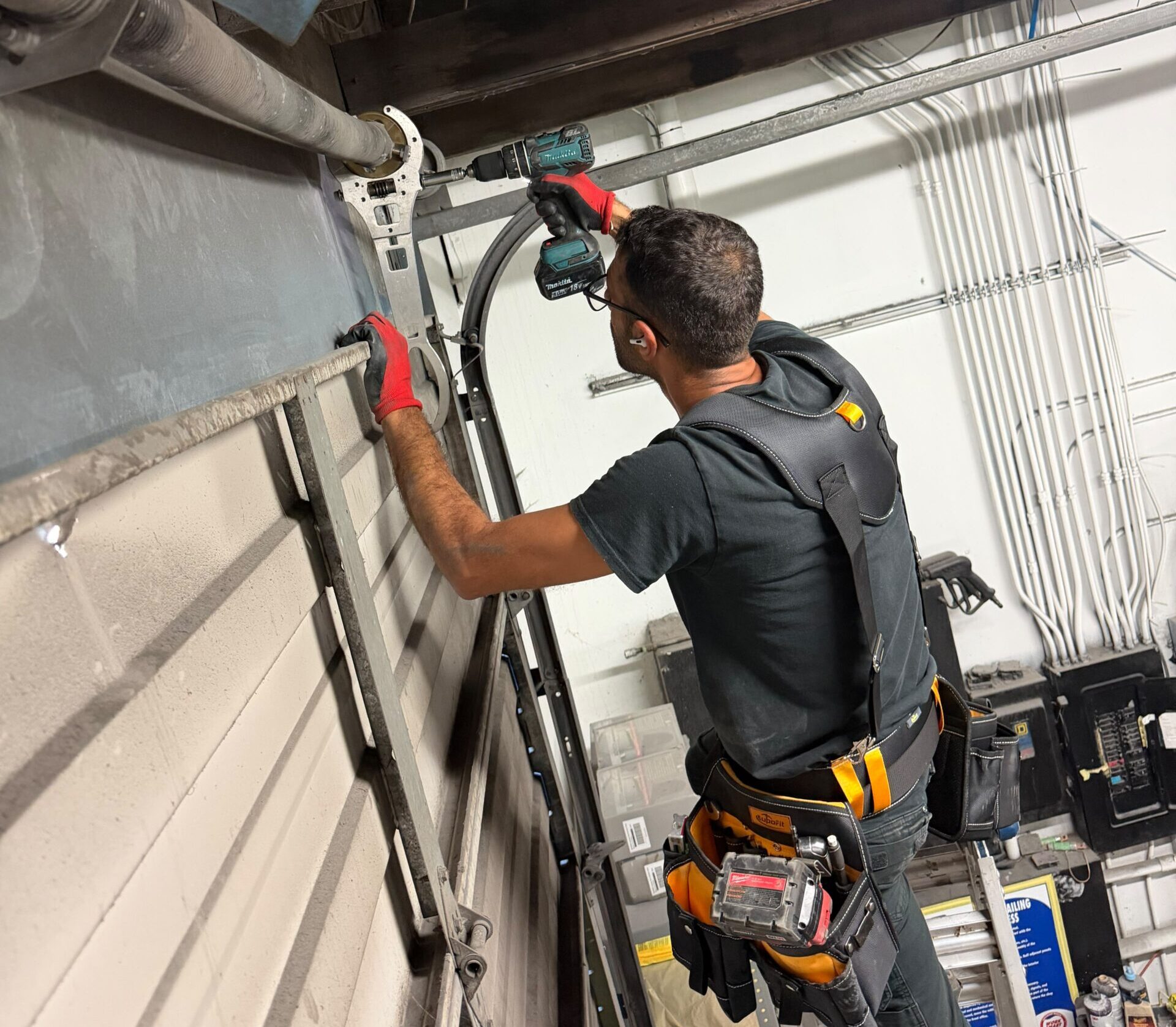
If your garage door is still noisy, rough, or unreliable after basic lubrication, Dan’s Garage Door Services can help. Our team checks rollers, tracks, hinges, springs, cables, opener strain, and door balance to find the real cause of the problem.
We help homeowners and businesses across Seattle, Burien, Renton, Bellevue, Tacoma, Auburn, and nearby areas keep their garage doors moving safely and smoothly.
Frequently Asked Questions
Should I lubricate garage door tracks?
No, garage door tracks should usually be cleaned, not lubricated. Grease inside the tracks can collect dirt and make the rollers move poorly.
What is the best lubricant for garage door rollers?
A garage-door-safe silicone spray or white lithium lubricant is usually best. Apply it lightly to the roller bearings, not the track.
Can I use WD-40 on my garage door?
WD-40 can help clean or loosen certain parts, but it should not be used as your main long-term garage door lubricant. Use silicone spray or white lithium lubricant instead.
How often should I lubricate my garage door?
Most garage doors should be lubricated twice a year. If the door is used heavily or starts making noise, inspect it sooner.
Why is my garage door still noisy after lubrication?
The door may have worn rollers, bent tracks, loose hinges, poor balance, spring issues, or opener strain. If lubrication does not help, schedule an inspection.
Is garage door lubrication safe to do myself?
Basic lubrication is usually safe if you avoid pinch points and do not adjust springs, cables, or high-tension parts. Anything involving spring tension or major hardware should be handled by a technician.
Book an Appointment
Need garage door maintenance in the Seattle area? Dan’s Garage Door Services can inspect noisy rollers, dry hinges, worn hardware, track issues, and door balance problems so your garage door moves safely and smoothly again.
Safety note: Do not adjust garage door springs, cables, opener wiring, or electrical components unless you are trained to do so. These parts can cause serious injury or property damage when handled incorrectly.