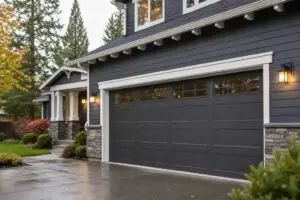
Types of Garage Doors: Sectional vs Roll-Up vs Tilt-Up (and Style Options)
If you are comparing garage door options, start with how the door operates and how it will hold up in Burien’s damp, coastal-leaning weather. The right choice depends on your garage layout, headroom, driveway clearance, and how often you use the door. Once you pick the operating type, you can dial in the look, insulation, and material that fits your home without signing up for more maintenance than you want.
Quick Summary
- Choose garage doors by operation type first—sectional, roll-up, or tilt-up—based on headroom, backroom, driveway clearance, and usage.
- In Burien’s damp, coastal-leaning weather, prioritize strong bottom seals and rust-resistant hardware to reduce sticking, noise, and wear.
- Sectional doors use horizontal panels on tracks, offer broad style options, easy serviceability, and wide pricing based on insulation and windows.
- Roll-up doors coil above the opening, maximizing ceiling space and fitting short backroom garages, but can cost more and limit styles.
- Tilt-up doors are one solid piece; canopy projects outward when open, retractable slides inside, requiring driveway and backroom clearance.
Introduction
There are many types of garage doors, but most homes end up choosing among a few core operating styles and then selecting a look, material, and insulation level that fits the property. This guide is garage door options explained in plain terms: how sectional doors compare to roll-up and tilt-up designs, what each type is best at, and how style choices affect budget.
There are many types of garage doors, but most homes end up choosing among a few core operating styles and then selecting a look, material, and insulation level that fits the property. This guide is garage door options explained in plain terms, including a comparison of steel vs wood vs aluminum garage doors: how sectional doors compare to roll-up and tilt-up designs, what each type is best at, and how style choices affect budget.
Overview of Garage Door Options
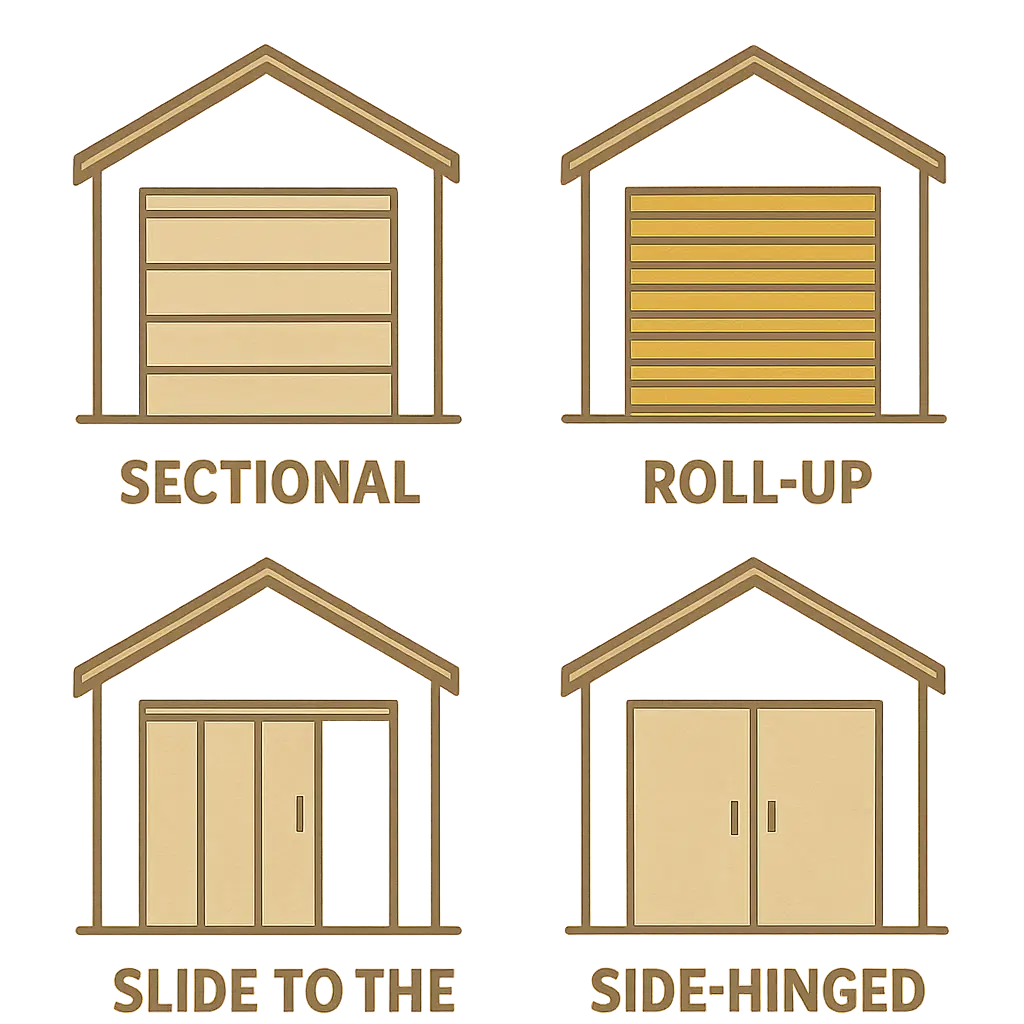
Choosing the best garage door type for home use is less about trends and more about fit. Your ceiling height, headroom, driveway slope, wind exposure, and how you use the garage all influence which door feels effortless versus annoying.
Types of Garage Doors
When people ask about Types of Garage Doors, they are usually talking about how the door opens and where it stores when raised. The most common residential options are sectional, roll-up, and tilt-up. Each has a different track footprint, different hardware, and different tradeoffs for repairs and long-term reliability.
Key Features to Consider
Before you fall in love with a style, compare options using the same checklist:
- Clearance: headroom above the opening and backroom depth into the garage
- Security: panel strength, locks, and how the door resists prying
- Weather performance: bottom seal, side seals, and wind resistance
- Noise and smoothness: roller quality and track alignment
- Insulation: comfort for attached garages and quieter operation
- Serviceability: how easy parts are to source and adjust
- Also consider wind exposure and salt air near the water. In Burien, a strong bottom seal and rust-resistant hardware often reduces sticking and noise. If you store tools, choose a door that opens smoothly in cold rain.
Sectional Garage Doors
Sectional doors are the default for many modern homes because they fit a wide range of openings and work well with automated openers. The door is made of horizontal panels that ride up tracks, then rest parallel to the ceiling.
Advantages of Sectional Doors
Sectional doors are popular because they are space-efficient and adaptable. They work well with most driveway layouts and allow partial opening for ventilation. Repairs are also straightforward, since many parts are standardized.
Common Styles and Designs
Most garage door styles and costs start with sectional construction. You can find raised-panel, recessed-panel, carriage-style overlays, modern flush panels, and full-view window designs. Window placement is usually on the top row for privacy, but you can choose larger glass layouts when street visibility is not a concern.
Pricing Overview
Sectional doors tend to offer the broadest price spread. Basic non-insulated steel is typically the most affordable. Costs rise with thicker steel, higher insulation, windows, custom colors, and premium hardware. If you are comparing quotes, confirm whether the price includes new springs sized for the door weight and a full balance and safety test.
Roll-Up Garage Doors
When people ask about Types of Garage Doors, they are usually talking about how the door opens and where it stores when raised. The most common residential options are sectional, roll-up, and tilt-up. Each has a different track footprint, different hardware, and different tradeoffs for repairs and long-term reliability, including considerations for garage door weatherstripping.
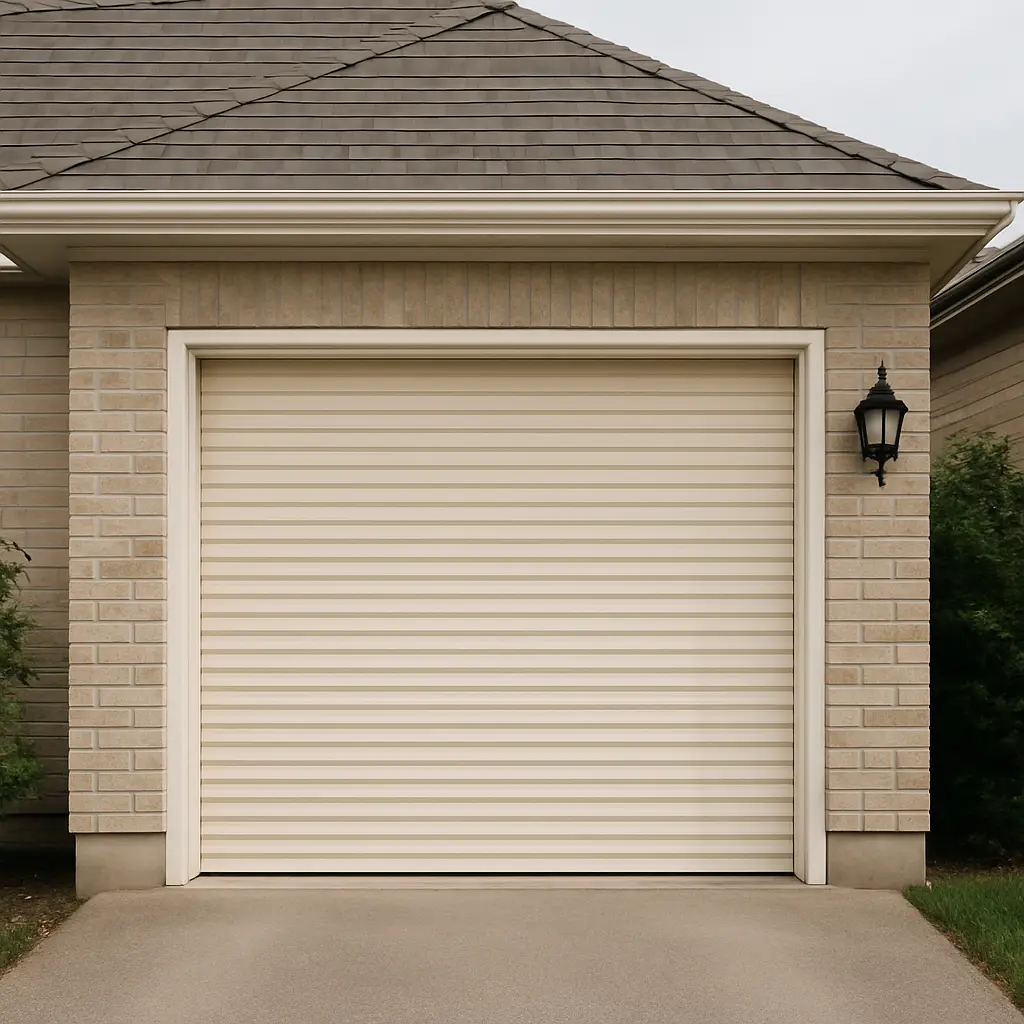
Roll-up doors store in a coil above the opening instead of sliding on long ceiling tracks. Many people associate them with commercial buildings, but there are residential versions, especially when ceiling space is limited.
Benefits of Roll-Up Doors
The biggest benefit is saving overhead space. With fewer tracks running deep into the garage, you keep more ceiling room for storage racks, lights, or lifts. Roll-up doors can also be a good match for garages with short backroom depth.
Use Cases and Applications
In Burien, roll-up designs are common on workshops, detached garages, and spaces where you want maximum ceiling clearance. They can also suit narrow garages where standard tracks would conflict with beams or ducting.
Cost Comparison
Roll-up options can cost more than basic sectional doors because the coil mechanism, slats, and spring system are specialized. Pricing also varies based on insulation and wind resistance. When evaluating sectional vs roll up garage door costs, compare installed scope, not just the door itself.
Tilt-Up Garage Doors
Tilt-up doors are a single solid piece that pivots outward and up, then rests overhead. They have fewer panels and a different hardware layout than sectional doors.
Features of Tilt-Up Doors
The appeal is simplicity. With fewer joints, a tilt-up can look clean and traditional. However, it needs more clearance in front of the garage because the door swings outward during operation.
Variations: Canopy vs. Retractable
A canopy tilt-up swings out and leaves part of the door projecting outside when open. A retractable tilt-up lifts and slides fully into the garage on tracks. Retractable versions generally provide better stability but require more backroom depth.
Installation Costs
Tilt-up installation can be cost-effective when replacing an existing tilt-up with a similar design. Costs rise when converting from tilt-up to sectional or roll-up, because tracks, springs, and opener setup typically change. If your driveway is short, the outward swing can be a dealbreaker, so confirm clearance before committing.
Sectional vs Roll-Up Garage Door
Most garage door styles and costs start with sectional construction. You can find raised-panel, recessed-panel, carriage-style overlays, modern flush panels, and full-view window designs that vary in costs depending on the garage door’s size, material, and style. Window placement is usually on the top row for privacy, but you can choose larger glass layouts when street visibility is not a concern.
If you are comparing a sectional vs roll up garage door for a home in Burien, start with space and usage. Both can be reliable when properly installed, but they serve different priorities.
Key Differences
Sectional doors travel on tracks and store flat under the ceiling. Roll-up doors wrap into a coil above the opening. Sectional designs usually offer more style options for residential curb appeal. Roll-up designs typically preserve more ceiling space and can be better for tight backroom garages.
Pros and Cons of Each Option
Sectional pros include wide availability, easier repairs, and more design choices. Sectional cons include needing overhead track space and more joints that can rattle if hardware is worn.
Roll-up pros include maximum ceiling clearance and a compact storage footprint. Roll-up cons include fewer residential style choices and potentially higher cost for insulated and quiet operation.
Which Type is Best for Your Home?
The best garage door type for home use depends on your constraints. Choose sectional when you want the most residential design flexibility and easy service. Choose roll-up when ceiling space is at a premium or the garage layout conflicts with long tracks. Choose tilt-up when you like the one-piece look and have adequate driveway clearance. If you are unsure, measure headroom and backroom first, then pick the type that fits without forcing compromises.
Popular Garage Door Styles
Once you pick an operating type, you can focus on style. Many homeowners think they are shopping a “style,” but the style usually sits on top of a sectional build.
Traditional Styles
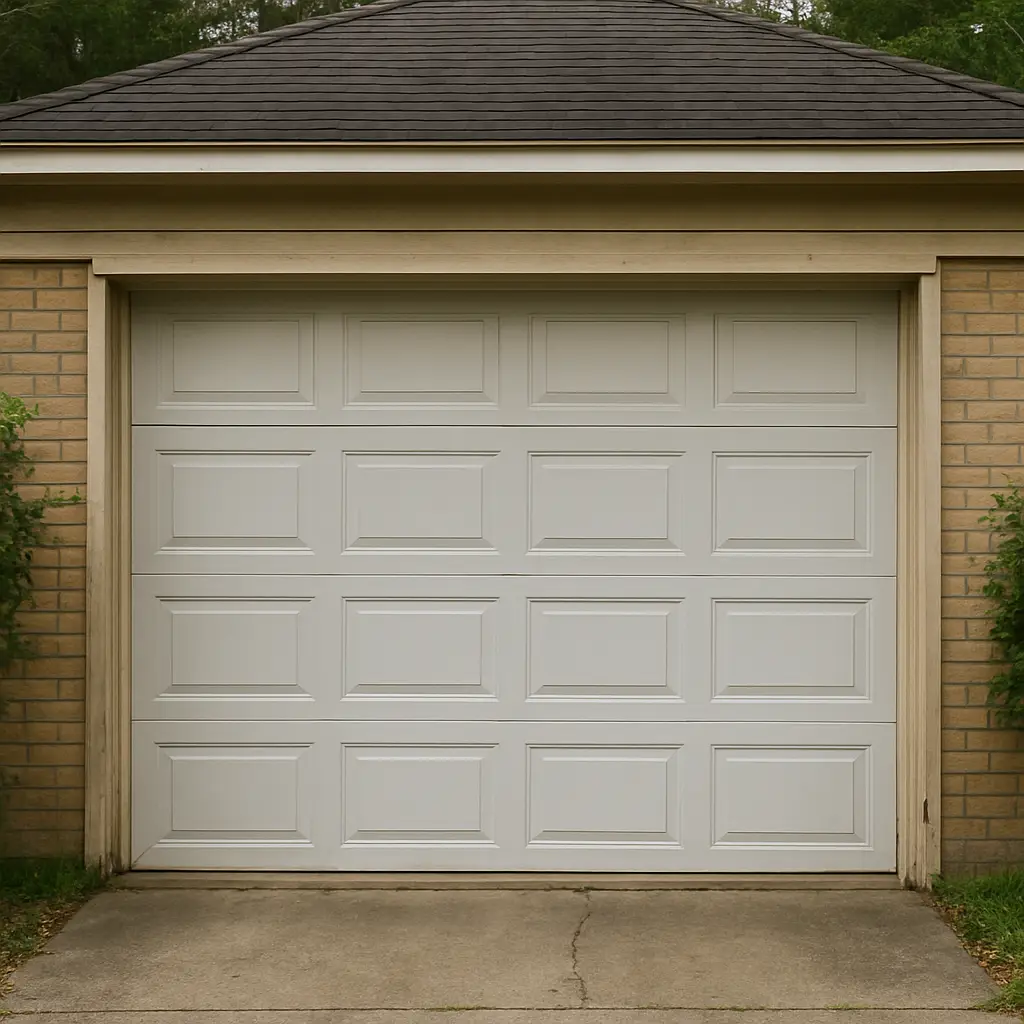
Traditional looks include raised-panel and recessed-panel designs. They suit a wide range of homes and typically age well. Window inserts can add light without changing the overall character.
Modern Designs
Modern designs often use flush panels, minimal hardware, and clean horizontal lines. Full-view glass can look striking, but it increases visibility and cleaning needs. Dark colors can boost contrast, but they show dust and water spotting more easily.
Rustic Options
Rustic styles often mimic wood carriage doors with decorative handles and hinges. You can get the look in real wood, composite overlays, or steel with wood-grain finishes. For Burien weather, weather sealing and finish durability matter as much as the aesthetic.
Garage Door Styles and Costs
Garage door styles and costs are connected because style choices often include upgrades: windows, overlays, thicker panels, and specialty finishes. If budget control is the goal, keep the door size standard, limit custom colors, and choose a practical window layout.
Price Range for Different Styles
Pricing typically starts lowest with basic raised-panel steel and increases as you add insulation, thicker construction, windows, and designer finishes. Carriage-style overlays and full-view glass usually sit higher because they involve more materials and precision.
Factors Affecting Pricing
The main price drivers are door size, insulation level, material, window package, and hardware quality. Local labor and any needed framing repair also affect totals. If the door is heavier due to insulation or glass, spring sizing and reinforcement become more important, and that can increase installed cost.
Conclusion
There are many types of garage doors, but the right choice is the one that matches your garage layout and how you live. Use the clearance checklist, then compare sectional vs roll up garage door tradeoffs, and finally pick a style that fits your home and maintenance tolerance. In Burien, prioritize weather sealing, durable finishes, and a smooth, well-balanced install, since those details determine whether the door stays quiet, secure, and reliable for years.