Your garage door opener is one of the most-used devices in your house, yet it’s easy to overlook—until it starts acting up. When it fails, it can leave your garage inaccessible, compromise safety, and lead to expensive repairs or a full replacement. In this blog, we’ll cover the top signs your garage door opener is about to fail, so you’ll know when it’s time to take action.
Quick Summary
- Unusual noises (grinding, rattling, excessive vibration) often indicate internal wear such as motor, gear, or capacitor problems. Increasing volume or unfamiliar sounds are key early warnings.
- Delayed or inconsistent response to the remote or wall button can signal power, wiring, or resistance issues, and may lead to complete failure.
- Unprompted door reversal, stopping mid-cycle, or jerky/erratic movement points to sensor, travel-limit, control, or mechanical problems (including springs/cables) and creates safety risks.
- Physical damage (cracked casing, rust, loose mounting, damaged wiring) and persistent remote/keypad malfunctions after basic fixes suggest the opener or its receiver/electronics are failing.
- Aging units (typically 10–15 years) may become less reliable and less efficient, potentially contributing to higher energy use; a professional inspection can confirm repair vs. replacement.
Strange Noises
A change in sound can warrant inspection, but noise alone does not identify a failed motor or capacitor. Observe when the noise occurs and whether the door moves unevenly; the opener and door should be assessed together.
LiftMaster and other newer models run fairly quietly—so if your opener sounds like a chainsaw, it’s time to start thinking about repair or replacement.
Slow Response Time
When you press your remote control or wall button, your garage door should begin moving almost immediately. If there’s a delay of a few seconds—or worse, inconsistent reactions—it might point to an issue with the power supply, internal wiring, or even the door springs creating resistance.
Delayed responses can involve controls, power, the opener or resistance in the door. Record the symptom without repeatedly running a struggling system.
Door Reversal
A properly functioning garage door opener should close the door smoothly and stay closed—unless an object blocks the path. But if your door reverses without reason, especially during closing, it’s often a signal that something’s wrong with the travel limit settings, sensors, or internal controls.
This isn’t just an inconvenience—it’s a safety issue. Ignoring it could lead to property damage or injury, making it one of the most urgent warning signs that it may be time for a garage door repair or replacement.
Inconsistent Movement
Inconsistent or jerky movement during opening and closing usually points to mechanical or electrical failure inside the unit. If your garage door stops halfway, shakes during operation, or behaves erratically, the problem could lie in:
- A failing capacitor
- Worn gears or chain systems
- Internal motor deterioration
- Broken door springs or cable imbalance
Inconsistent movement puts extra strain on the entire system, accelerating the need for a full replacement.
Physical Damage
Visible damage to the garage door opener casing, wiring, or mounting hardware is a clear sign of trouble. While minor cosmetic wear may not be a problem, cracks, rusted parts, or loose components can compromise the entire system.
If you notice damaged wiring or the opener pulling away from its mount, don’t delay—call a garage door repair company to inspect the issue. Sometimes, a small repair can save your system, but in many cases, replacement is the smarter (and safer) choice.
Remote Control Malfunctions
If your garage door doesn’t respond reliably to your remote control, it could point to something beyond simple battery failure. While dead batteries are the most obvious culprit, other causes include:
- A failing receiver inside the garage door opener
- Interference from nearby electronic devices
- Limited range caused by weakened power output
When replacing batteries and reprogramming the remote doesn’t solve the issue, the opener itself may be nearing the end of its life.
Keypad Issues
Wall-mounted keypads can also show signs of decline. If your garage door doesn’t respond to the keypad—or if it only works intermittently—there may be an electrical issue or worn keypad contacts.
Common problems include:
- Keypad backlight failing
- Random button misfires
- Needing to enter your code multiple times
Over time, even weather exposure can degrade the model’s performance. If the keypad is acting up alongside other opener problems, it’s likely time for a full system review.
Safety Sensor Problems
Your garage door opener relies on safety sensors to prevent the door from closing on people or objects. If the sensors become misaligned, dirty, or damaged, your door might stop mid-motion or reverse suddenly.
This is more than an inconvenience—it’s a major safety concern. Sensor troubleshooting is a good first step, but if the issue persists, your opener’s internal logic or wiring may be failing and in need of replacement.
Increased Energy Bills
Aging garage door openers, especially outdated models, can consume more power than necessary. If you’ve noticed a subtle increase in your energy costs, your old opener could be part of the problem. Older units lack the energy-efficient features built into modern systems, and they often run less efficiently—especially if components are struggling or worn out.
Upgrading to a newer garage door opener with energy-saving features not only improves performance but also helps lower long-term utility bills.
Age of the Garage Door Opener
Age alone is not a replacement rule. Inspect condition, safety features, parts support and recurring faults before comparing repair with replacement. A newer opener can also struggle if the door is heavy, binding or damaged.
Professional Inspection and Maintenance
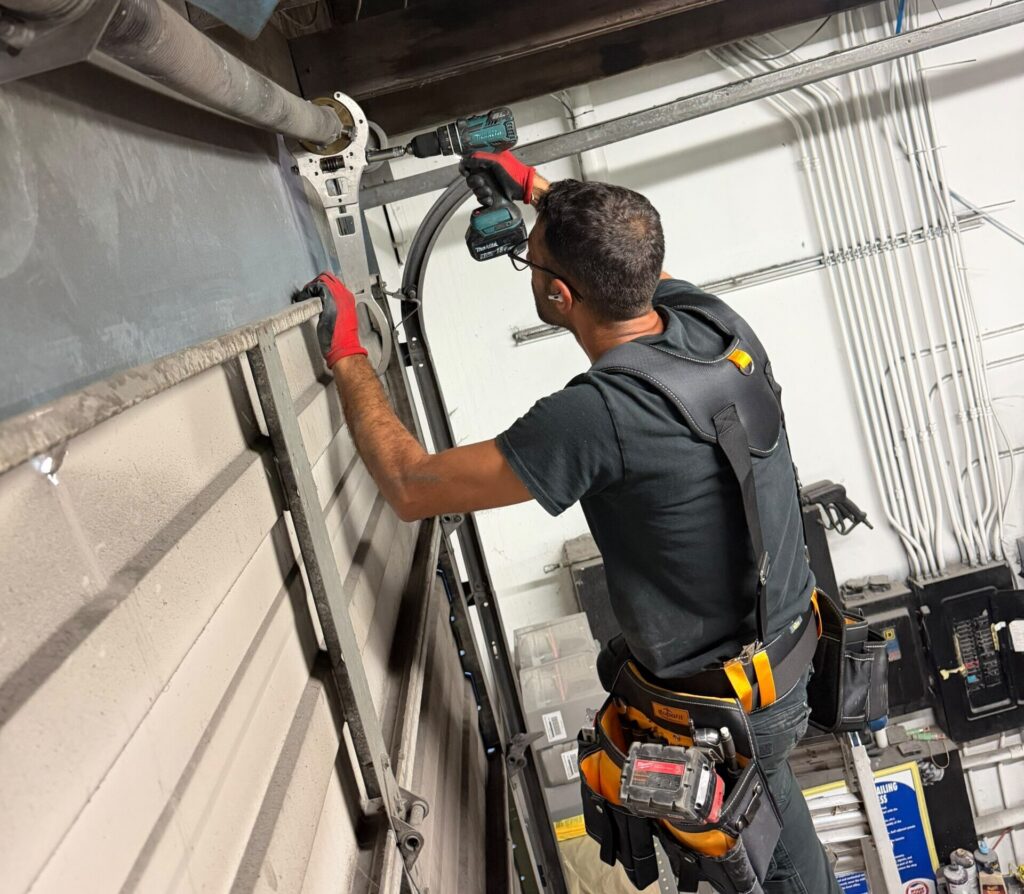
Sometimes, the best way to know if your garage door opener is on its last leg is to schedule a professional inspection. A technician can:
- Check the motor, capacitor, and chain or belt systems
- Evaluate the garage door springs and track alignment
- Test the responsiveness of your remote and safety features
- Provide honest recommendations for repair or replacement
For peace of mind and reliable operation, contact your local garage door repair company. Professional services can extend the life of your system—or help you make the right decision about moving on to a full replacement.
Use the symptoms to request an assessment
Note whether the wall control, remote and keypad behave differently and whether the door is noisy, crooked or slow. Do not open electrical covers or adjust tensioned parts. Stop using a damaged or unstable door. Review the existing repair-versus-replacement criteria and opener cost factors rather than treating a warning sign as a definite diagnosis.
Conclusion: Don’t Wait for a Complete Breakdown
Spotting the top signs your garage door opener is about to fail can save you from unexpected headaches and costly emergency repairs. Whether it’s strange sounds, slow responses, or inconsistent movement, these warning signs are your system’s way of asking for help.
If you’re unsure whether it’s time for a repair or replacement, call Dan’s Garage Door today. Our expert team will assess your current unit, recommend the best course of action, and ensure your garage is running smoothly for years to come.