
A garage door opener battery backup can be a practical upgrade in Seattle because outages are common enough to make garage access a real concern. Wind, heavy rain, falling branches, and winter storms can knock out power across neighborhoods from Ballard to West Seattle.
If your garage is your main entry point, a dead opener can turn a normal morning into a problem. Battery backup gives your opener temporary power during an outage, but it still depends on a healthy, balanced garage door system.
Quick Summary
- Battery backup lets your opener work for a limited time when the home loses power.
- It’s especially useful if the garage is your main entrance or stores a vehicle you need daily.
- A backup battery garage door opener still needs a healthy, balanced door to work properly.
- Manual release works without power, but it requires physical access and effort.
- Older openers may need replacement rather than a simple battery add-on.
Why Battery Backup Matters During a Power Outage
Battery backup matters because it keeps your garage door opener usable when the electricity goes out. In Seattle, that’s not just a comfort issue. A Seattle power outage garage door problem can mean your car is stuck inside when you need to get to work, school pickup, or an appointment across town.
Think of battery backup like a small emergency fuel tank for your opener. It doesn’t power your whole garage. It only gives the opener enough stored energy to raise and lower the door for basic access. For example, if a windstorm knocks out power in Magnolia overnight, you can still open the garage in the morning without lifting the full door yourself.
It’s also helpful when the garage connects directly to the house. Many Seattle homes have narrow driveways, sloped lots, or street parking limits. If the garage is your cleanest, safest entry point during heavy rain, backup power can make the day easier. For related weather concerns, you may also want to understand Seattle weather protection.
How Garage Door Opener Battery Backup Works
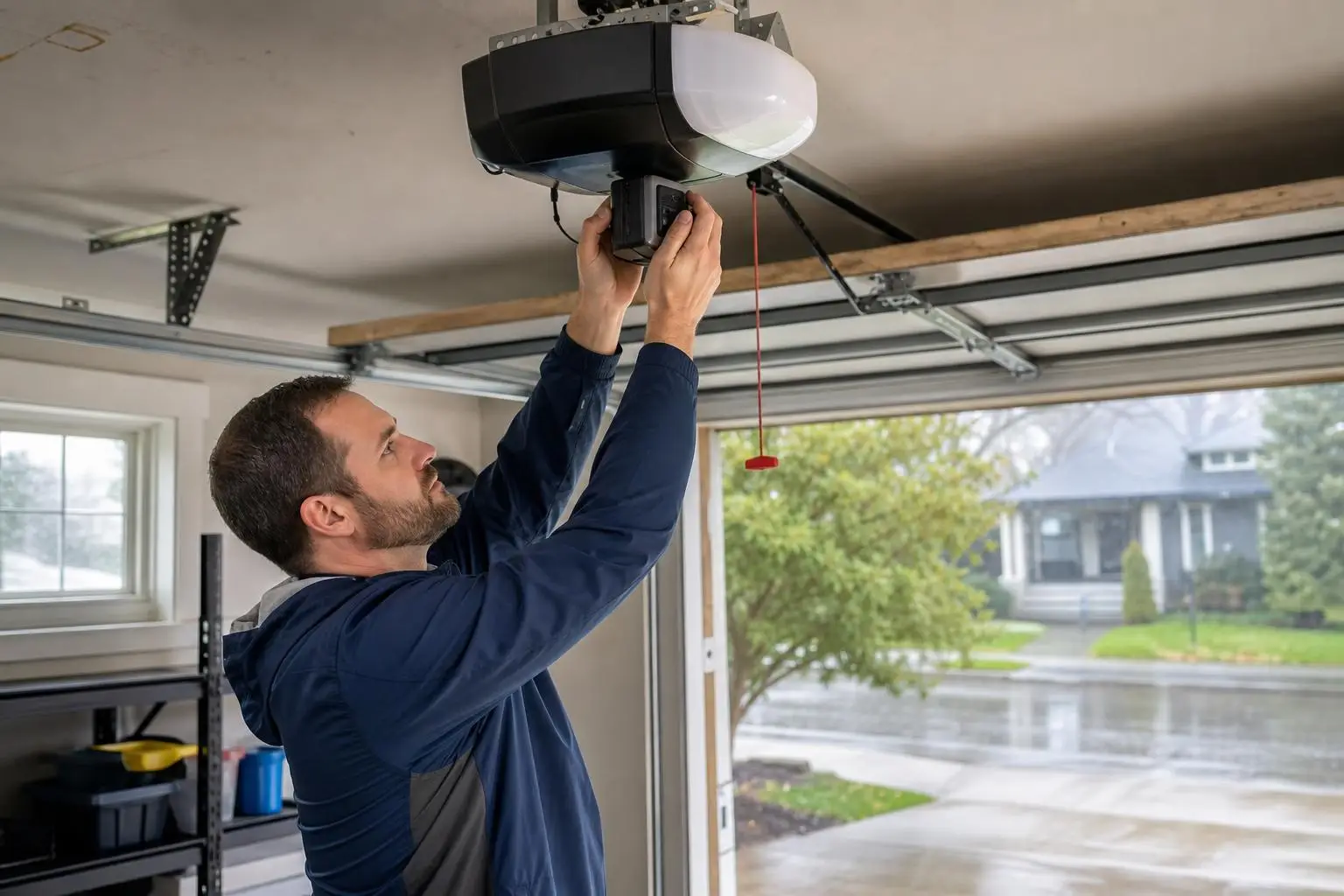
A garage door opener battery backup works by storing electricity in a rechargeable battery attached to or built into the opener. When your house power is on, the battery charges quietly in the background. When the power goes out, the opener switches to battery power so the motor can still move the door.
The opener motor is the part that pulls or pushes the door using a rail and drive system. The battery doesn’t replace that motor. It simply feeds it temporary power. For example, in a Ravenna home during a short outage, you might press your regular remote or wall button and the opener still responds, just with battery power instead of household electricity.
Most systems alert you when the battery is weak or no longer holding a charge. That alert might be a light, beep, or message, depending on the opener. Don’t ignore it. A battery that’s near the end of its life may not help when you actually need it. Basic care, like testing the opener and listening for strain, also supports opener lifespan tips.
What a Backup Battery Can and Cannot Do
A backup battery can operate a compatible garage door opener during an outage, but it can’t fix a worn-out opener or a damaged door. This is the part many homeowners miss. Battery backup is support power. It’s not a repair tool.
For example, if your garage door in Queen Anne sticks halfway because the tracks are bent, the battery won’t solve that. The opener may still struggle because the door itself isn’t moving correctly. A healthy garage door should feel manageable when lifted by hand after using the manual release.
A backup battery can usually help with:
- Opening the garage during a power outage
- Closing the door after you leave
- Reducing the need to lift a heavy door manually
- Keeping access simple during storms or short outages
But it can’t help with:
- Broken springs
- Damaged tracks
- A door that’s badly out of balance
- An opener motor that’s already failing
- A battery that hasn’t been maintained
So what does this mean in practice? If the door already jerks, squeals, or reverses for no clear reason, deal with that first. Adding backup power to a struggling system is like putting fresh batteries in a flashlight with a cracked bulb.
Signs Your Current Opener May Need an Upgrade
Your opener may need an upgrade if it struggles during normal use before any power outage happens. Battery backup works best when the opener and door are already in good condition. If the system sounds tired on a sunny afternoon, it probably won’t perform better during a storm.
For example, a homeowner in Beacon Hill might notice the opener hums for several seconds before the door moves. Another common sign is a door that shakes hard near the top of travel. These clues can point to opener wear, door balance problems, or aging hardware. If you’re comparing symptoms, opener failure signs can help you sort what’s normal from what needs attention.
Watch for these practical warning signs:
- The opener is loud or grinding
- The door reverses without hitting anything
- The remote works only sometimes
- The wall button responds slowly
- The opener light flashes with no clear reason
- The door feels heavy after manual release
Seattle moisture can also affect metal parts over time, especially in garages that stay damp. If you’re upgrading anyway, it may be worth comparing drive types, such as chain drive and belt drive. A chain drive uses a metal chain. A belt drive uses a rubber-like belt and is usually quieter. You can learn more through chain and belt openers.
Battery Backup vs Manual Release
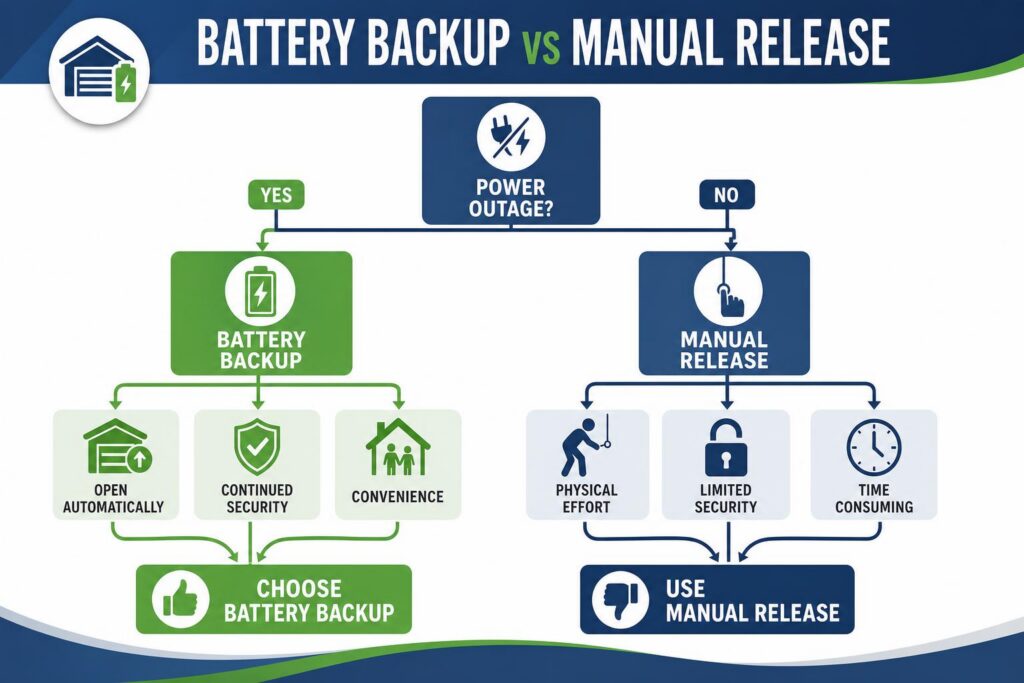
Battery backup is easier during an outage, while manual release is the no-power fallback every homeowner should understand. They solve the same access problem in different ways.
A manual release disconnects some door systems from the opener. The exact model manual controls its use. Never release an open or unstable door; a damaged or unbalanced door can fall. If the door condition or procedure is uncertain, stop and arrange professional assistance.
| Option | Best for | Limits | Typical outcome |
|---|---|---|---|
| Battery backup | Daily garage access | Needs compatible equipment | Push-button use during outage |
| Manual release | Simple emergency access | Requires lifting by hand | Door opens without electricity |
Battery backup is more convenient, especially in heavy rain or early morning darkness. Manual release is still important because batteries can fail or run down. Ideally, you know how to use both. And if your garage door doesn’t lift smoothly by hand, don’t force it. That can point to a spring or balance issue.
Good Situations for Adding Backup Power
Adding backup power makes sense when losing garage access would disrupt your normal day. If your garage is just storage for camping gear, you may not care much. But if it holds your only car, tools for work, or mobility equipment, the value changes quickly.
For example, a family in West Seattle with one driveway spot and limited street parking may need reliable garage access every morning. A garage door battery backup can also help if someone in the home has trouble lifting a full-size door manually. The backup keeps the process simple: press the button, wait for the door, and go.
It’s also useful when:
- Your garage is your main home entrance
- You leave early before neighbors are awake
- You park on a steep driveway
- Your area has tree-lined streets and frequent storm debris
- You travel often and want the door closed after an outage
If you’re already replacing an opener, choosing a model with backup power may be simpler than adding it later. That’s especially true in older Seattle garages where electrical outlets, ceiling height, or opener placement may limit your options.
What to Ask Before Installation
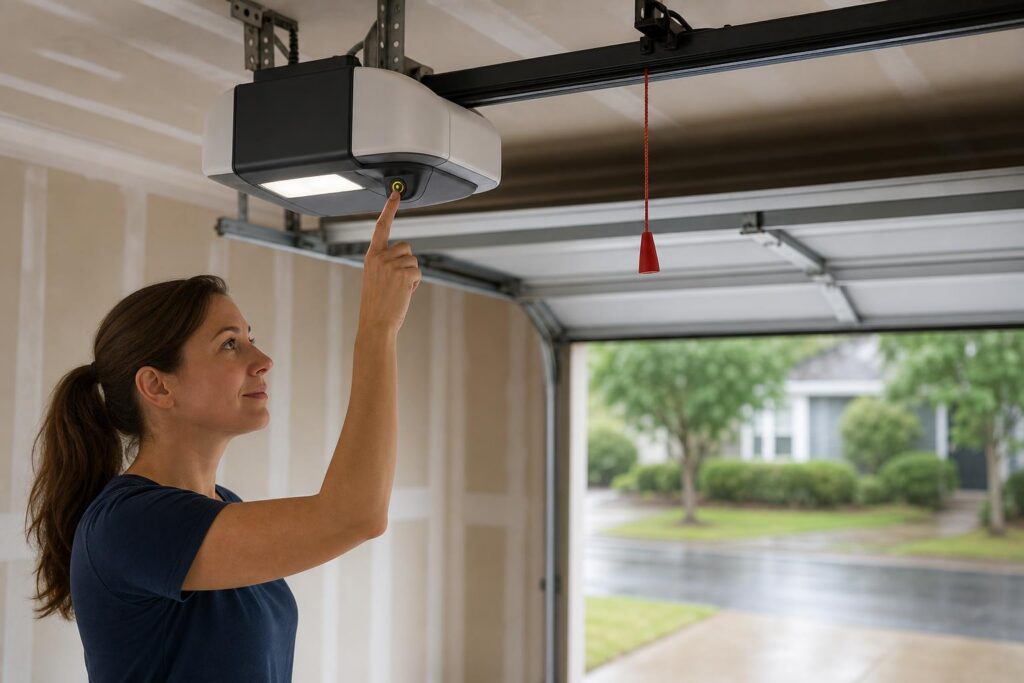
Before installation, ask whether your current opener can accept a battery or whether replacement is the better path. Not every opener is designed for battery backup. Some can use an add-on battery. Others need a newer compatible unit.
For example, a homeowner in Capitol Hill may have an older opener that still works but has no battery port. In that case, a technician may recommend a full opener replacement rather than trying to adapt unsupported parts. If budget is part of the decision, you can review general garage opener cost factors before you commit.
Ask these questions:
- Is my current opener compatible with battery backup?
- Is the garage door balanced and safe to operate?
- Where will the battery sit?
- How will I know when the battery needs service?
- Will my wall control and remotes still work?
- What happens if the battery fails during an outage?
Also ask about your daily habits. Do you want quiet operation because there’s a bedroom above the garage? Do you use a keypad? Do you want phone control through Wi-Fi, which means wireless internet connection? If so, Wi-Fi opener features may be worth considering while you’re already updating the opener.
After power returns: reconnecting safely
Power returning does not necessarily reconnect a manually released door to its opener. Rail-and-trolley and wall-mount mechanisms differ, so locate the exact model label and its manufacturer manual before attempting any procedure. Do not use a generic pull-cord instruction for an unidentified opener.
Leave a heavy, crooked, damaged or unstable door out of use. Do not force engagement, bypass safety devices or adjust springs/cables. If you cannot confirm the door is safe and the correct instructions apply, request opener and door assessment. This guide provides planning and stop conditions; model-specific practical reconnection steps require technician approval.
Conclusion
A garage door opener battery backup is worth considering if your garage is part of your daily routine and Seattle outages have caused problems before. Start by checking whether your door moves smoothly and whether your current opener supports backup power. If the system is older, noisy, or unreliable, an opener upgrade may make more sense than adding a battery to aging equipment.