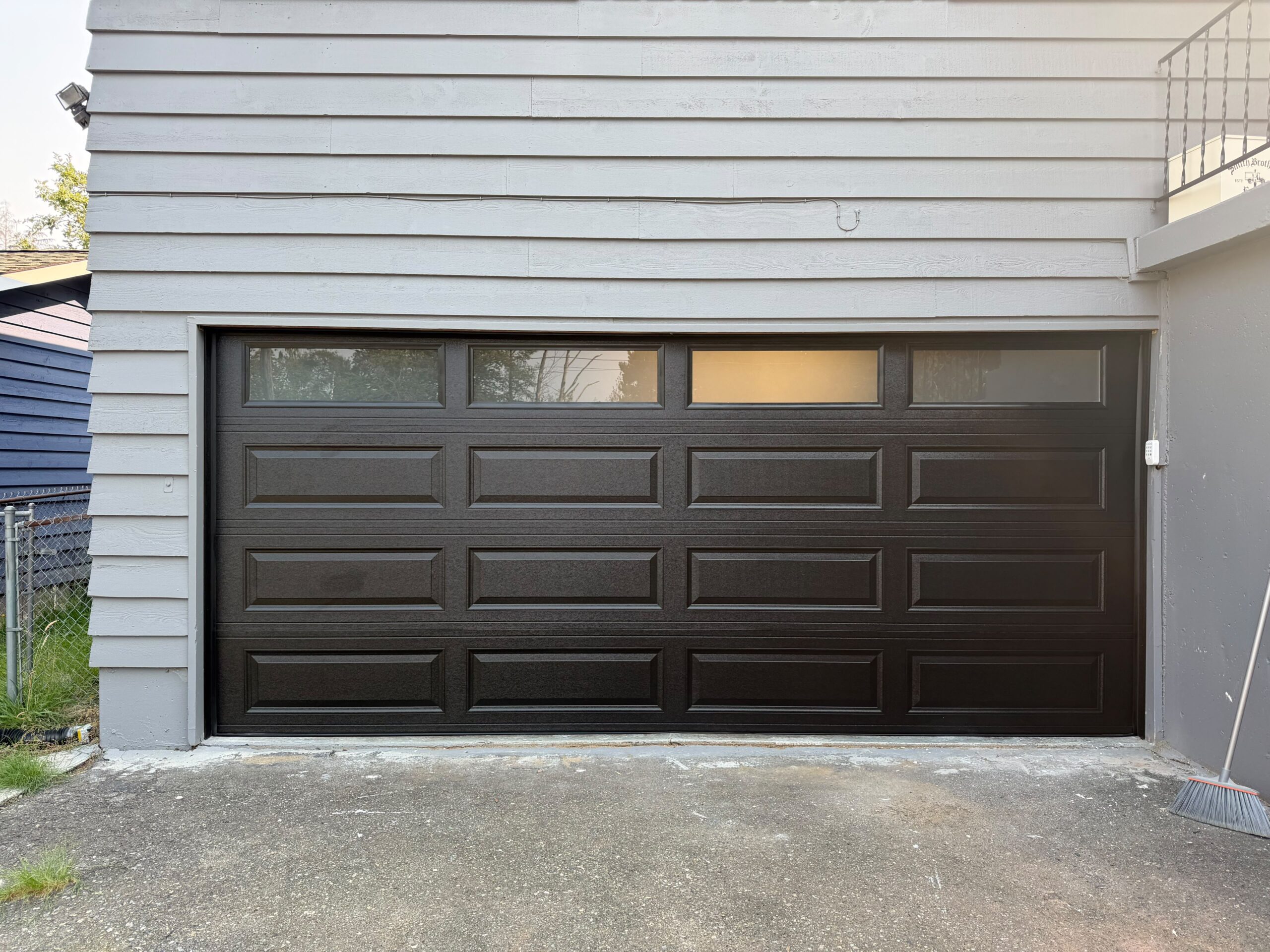
If the bedroom above your Bellevue garage feels colder than the rest of the house, or the door rattles every time someone leaves for school, an insulated door is worth considering. For an attached garage, the clear verdict is yes when the garage affects living space, daily comfort, or noise. For a detached garage used mostly for parking, basic sealing or repair may be the smarter first move. For related context, see our guide to black garage doors with windows.
Use this simple framework: attached garage plus daily use points toward an insulated garage door upgrade. Detached garage plus occasional use points toward weatherstripping, panel repair, or opener service first. If the current door is an older non-insulated steel door with dents, gaps, worn seals, or loose panels, replacement may solve more than insulation alone.
Quick Summary
- Insulated garage doors in Bellevue make the most sense for attached garages beside or below living areas.
- R-value means how well the door slows heat transfer, but it doesn’t guarantee whole-home energy savings.
- Comfort benefits usually include fewer drafts, steadier garage temperatures, and quieter operation.
- Windows, steel thickness, panel construction, and material style all affect performance.
- If gaps, damaged seals, wall insulation, or opener problems are the real issue, fix those before blaming the door.
When Insulated Garage Doors Make Sense
An insulated door makes the most sense when the garage affects rooms you actually live in. Think of a Bellevue home with a garage under a bedroom, beside a family room, or connected to a laundry area. If that space feels cold, drafty, or loud every time the door runs, insulation can improve daily comfort.
- Likely worthwhile: Your garage is attached, used as a gym, workshop, storage area, laundry space, or daily family entry point.
- Likely worthwhile: You have an older non-insulated steel door with rattling panels, dents, or a thin “hollow” feel.
- Repair first: You can see daylight around the edges, the bottom seal is cracked, or wind blows through the perimeter.
- Repair first: The opener strains, the door shakes badly, or hardware noise is the main complaint.
- Probably lower priority: The garage is detached, rarely used, and doesn’t share walls or ceilings with living space.
So what’s the verdict? For attached garages, insulation is usually a comfort upgrade first and an energy upgrade second. For detached garages, it’s only worth it if you use the garage often or want better temperature control for hobbies, storage, or equipment.
Attached Garage vs Detached Garage
An attached garage shares at least one wall, ceiling, or doorway with your house. A detached garage stands on its own. That one difference changes how much an insulated door matters, because cold air, drafts, and vibration have an easier path into living areas when the garage is connected.
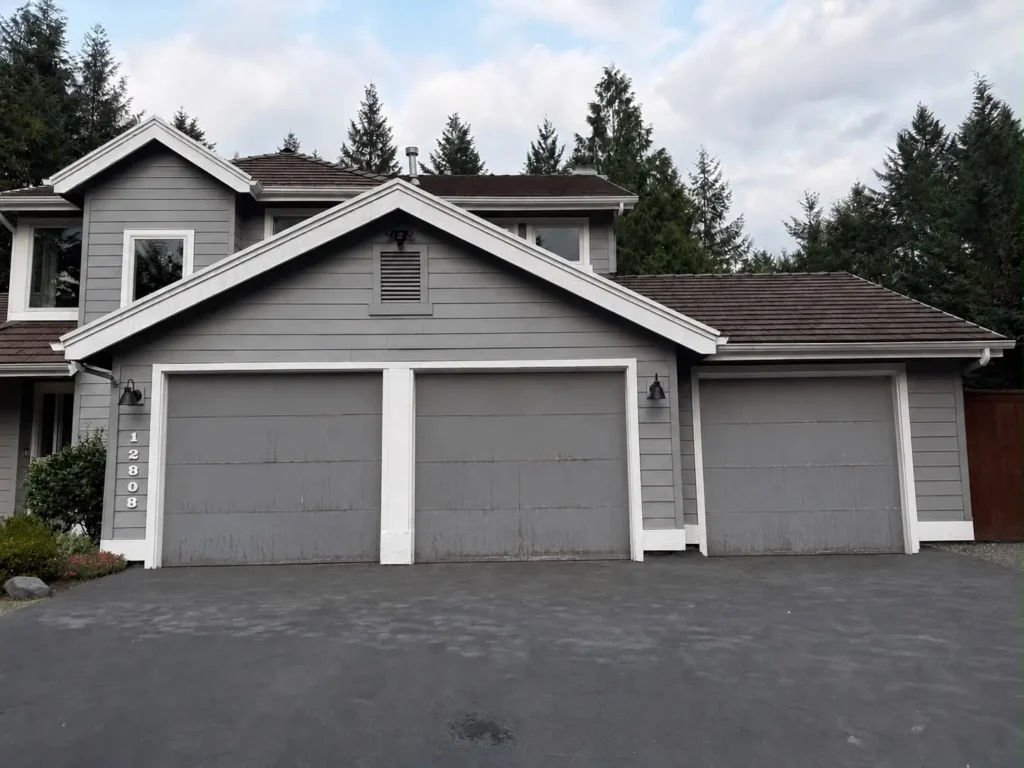
Think about a Bellevue home with a bedroom over the garage. If the garage door is a thin, older steel door, the room above may feel colder after sunset. You may also hear the door rumble when someone leaves early. In that setup, insulation can help the garage feel less harsh and reduce some noise transfer.
A detached garage has different expectations. If you park there and walk back to the house, comfort may not matter much. But if you use it as a gym, workshop, laundry area, or storage space for temperature-sensitive items, insulation becomes more useful.
| Garage type | Best verdict | Why it matters | Upgrade priority |
|---|---|---|---|
| Attached under bedroom | Usually worthwhile | Comfort and noise reach living space | High |
| Attached beside kitchen/laundry | Often worthwhile | Daily entry feels drafty or loud | Medium-high |
| Detached parking only | Usually low priority | Little effect on house comfort | Low |
| Detached gym/workshop | Worth considering | You spend real time inside | Medium |
The key is how often the garage affects your day. A family entry door that opens 10 times a day deserves more attention than a detached bay used only for weekend storage.
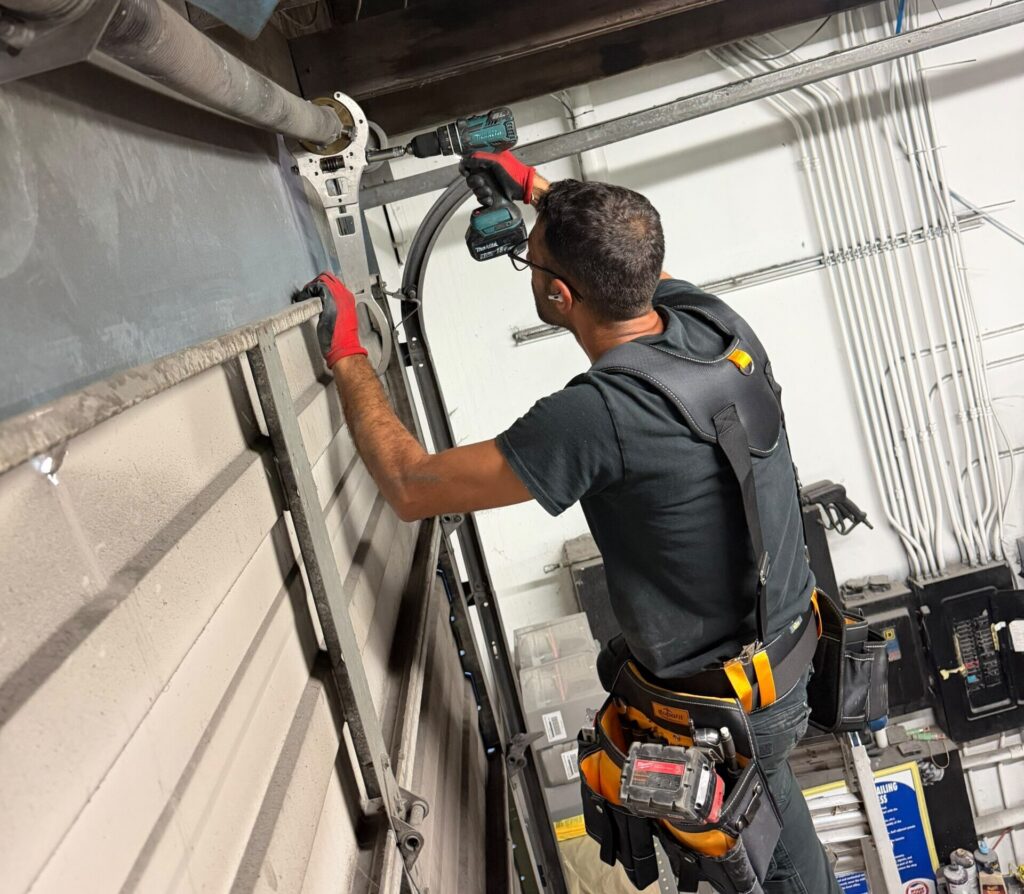
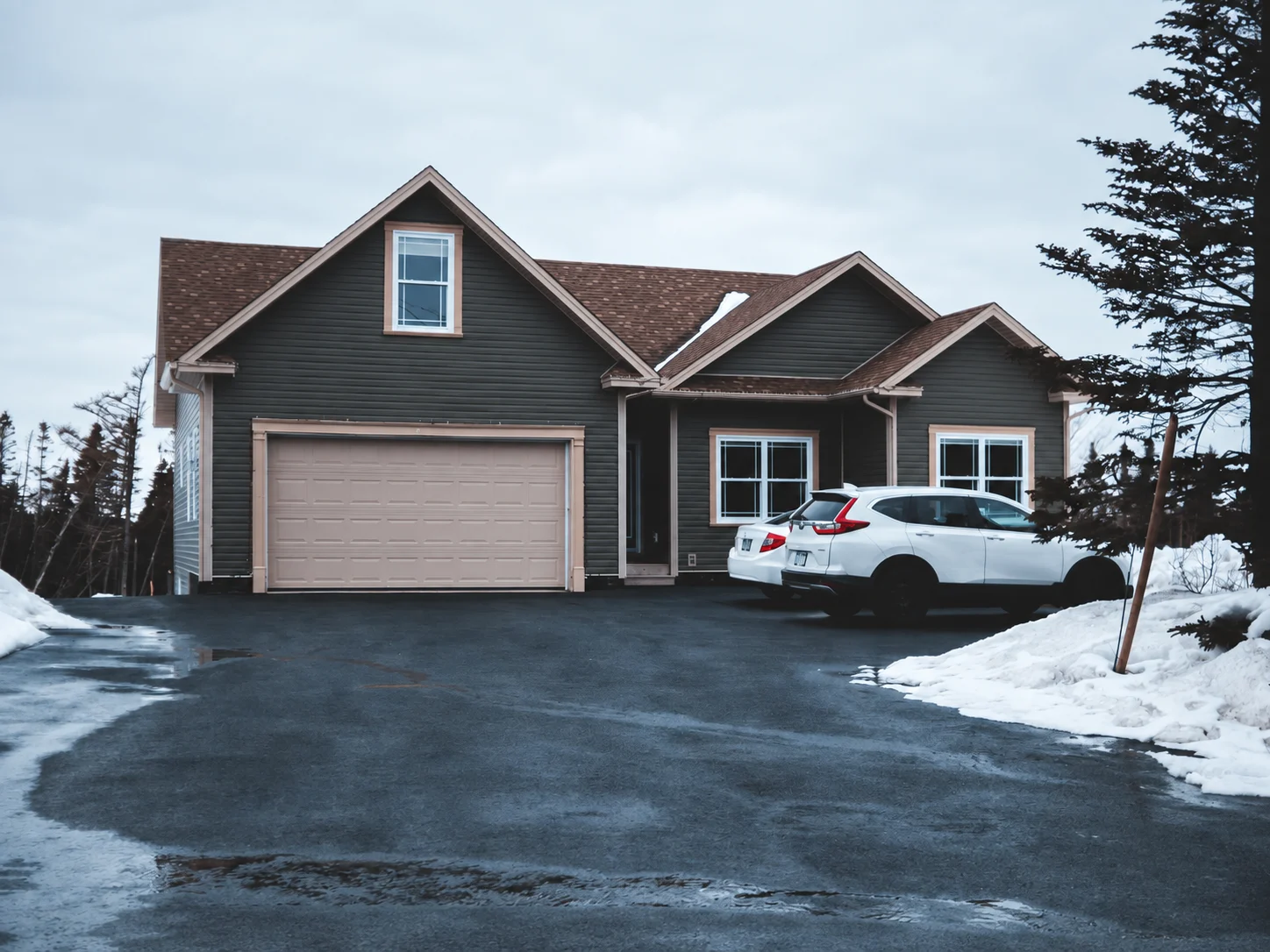
If you’re unsure, ask a local company like Dan’s Garage Door Services to compare your current door, seals, and garage layout before you price a full replacement. Photos of past insulated door installations can also help you see what fits Bellevue homes like yours.
Comfort, Noise, and Daily Use
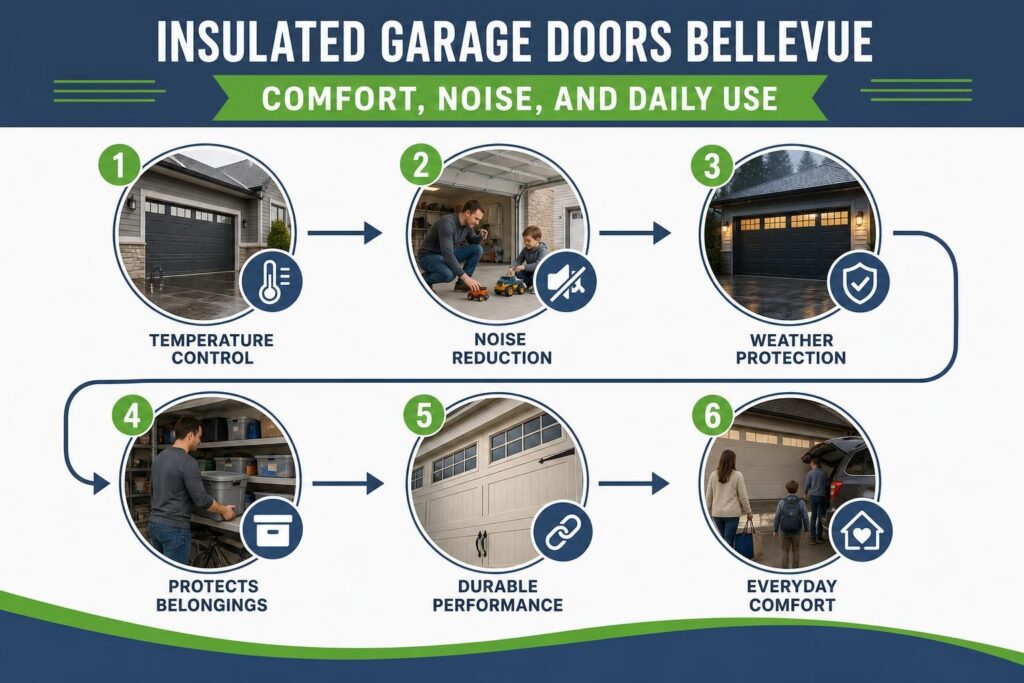
For daily comfort, insulation helps most when the garage is part of your routine, not just a place where the car sleeps. Think laundry area, home gym, workshop, freezer storage, or the family entry where kids dump backpacks twice a day.
R-value is the number used to describe how well a door resists heat moving through it. Higher usually means better insulation, but it doesn’t turn a garage into a finished room. In a Bellevue attached garage, the real win is often moderation: less sharp cold near the house door, fewer drafts, and a space that feels less harsh in winter.
Noise matters too. An insulated steel door is usually heavier and more rigid than a thin, non-insulated door, so it can reduce panel rattling. That helps if a bedroom or bonus room sits above or beside the garage. But if the opener is grinding, the rollers are worn, or the track is loose, insulation won’t fix the main noise source.
Quick verdict:
- Seal or repair first: small perimeter gaps, damaged weatherstripping, one noisy hinge, or an opener that sounds strained.
- Lower priority: detached garage used mostly for storage.
Material and Window Choices
Material affects comfort, durability, and style just as much as the insulation inside the door. R-value means how well the door slows heat movement. Higher R-value usually helps, but seals, wall insulation, and garage use still matter.
For most attached garages, insulated steel is the practical starting point. Many are “sandwich” doors: steel on both sides with foam in the middle. Polystyrene is firm, like a cooler insert. Polyurethane expands into the door cavity for a tighter fill.
Use this quick style filter:
- Best everyday choice: insulated steel for family entry garages, laundry areas, storage, and bonus rooms above the garage.
- Best modern look: aluminum and glass, though large glass sections usually insulate less than solid panels.
- Best natural style: real wood, but it needs more maintenance and may not perform like a purpose-built insulated door.
Windows add daylight for a gym or workshop, but they’re often the weakest insulation point. Ask about insulated glass, placement, and privacy.
If you’re comparing steel vs wood vs aluminum, Dan’s Garage Door Services can show insulated options and real installation photos when available.
When Insulation Is Not the Main Problem
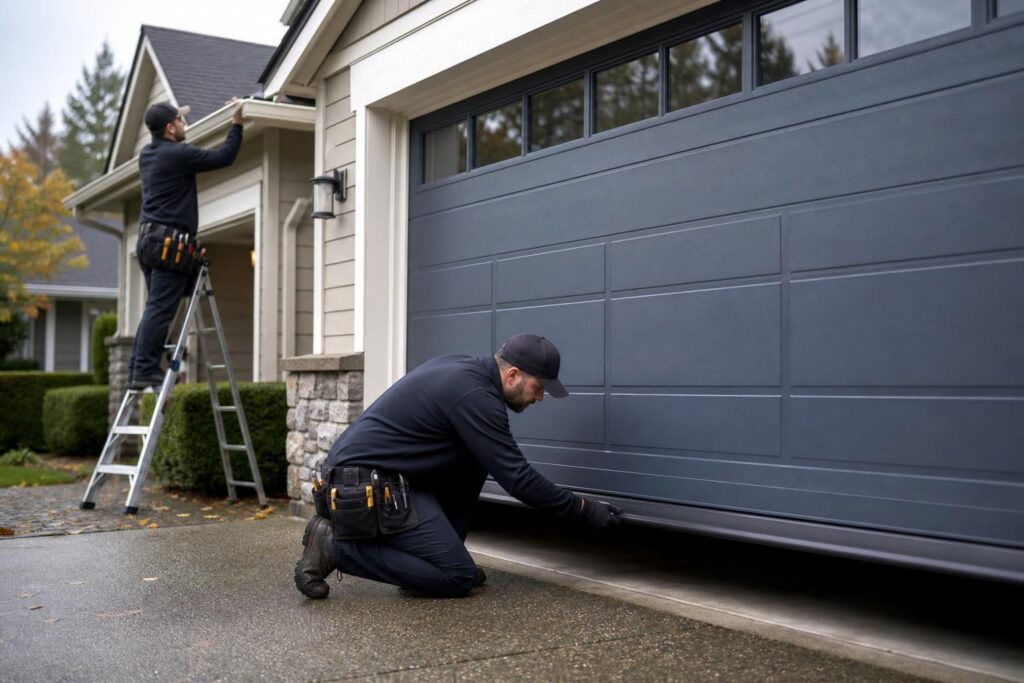
A colder, louder garage doesn’t always mean the door needs more insulation. Sometimes the bigger problem is air movement, damaged parts, or missing insulation around the garage itself.
Start with safe visual checks you can do from the floor:
- Choose sealing first if you see daylight around the door, cracked perimeter seals, or a stiff bottom seal that no longer touches the concrete.
- Choose repair first if the door has one damaged panel, loose-looking hardware, scraping noises, or an opener that strains. Don’t adjust springs, cables, tracks, or opener wiring yourself.
- Look beyond the door if the bedroom above the garage is cold but the garage door looks solid. The ceiling between the garage and room may need better insulation or air sealing.
Think of insulation like a warm jacket. It helps, but not if the zipper is open. Gaps around the door can let in cold air faster than an insulated panel can help.
For Bellevue attached garages, the best next step is usually a quick fit-and-condition assessment: door panels, perimeter seals, opener behavior, and the shared walls or ceiling. That tells you whether sealing, repair, or a new insulated door is the smarter move.
Ask About Insulated Door Options
Before you price a new door, ask the installer to look at the whole opening, not just the panels. A good recommendation should cover the door, seals, track fit, opener strain, and whether the garage shares a wall or ceiling with living space.
Use this quick decision guide:
- Choose an insulated replacement if your attached garage is used daily, the old steel door is dented or rattly, and comfort or noise is the main complaint.
- Start with sealing or repair if the door is in good shape but you can see daylight around the edges.
- Compare design options if curb appeal matters, especially steel, wood-look, and aluminum/glass styles. Windows can look great, but they may reduce insulation compared with solid insulated panels.
Ask each company these questions:
- What R-value, or insulation rating, fits how I use this garage?
- Will this door help with noise as well as temperature?
- Are the perimeter seals included?
- Is repair, sealing, or full replacement the smarter first step?
Dan’s Garage Door Services can walk you through insulated door options, show project or social photos when available, and help you choose a practical upgrade without overselling insulation where a simpler fix would do.
Conclusion
An insulated garage door is most worth considering when your attached garage affects a bedroom, laundry area, gym, workshop, storage space, or daily family entry. If the door has gaps, worn seals, rattling panels, or damage, sealing or repair may need to come before replacement.
The main takeaway is simple: insulation helps comfort and noise, but only when the whole opening is fitted well. If you’re comparing insulated garage doors in Bellevue, ask Dan’s Garage Door Services to inspect the door, seals, hardware, and layout so you can choose the next step with confidence.