You can like a garage door online and still wonder whether it will actually look right on your home. Will the color clash? Will the windows feel too exposed? Will the door fit an older opening? That’s where a garage door design consultation in Seattle helps. It turns a vague idea into a practical plan before you spend money on the wrong door.
In this guide, you’ll learn what a consultation should cover, how to compare garage door styles Seattle homeowners commonly consider, and what to prepare before your appointment.
- Use this if you want style, privacy, material, and installation questions answered before choosing a new garage door.
- Pause if you already have a failing spring, damaged cable, or unsafe door that needs repair first.
- Use this if you have inspiration photos but aren’t sure which door style fits your home.
- Get expert help if your door is off track, unusually heavy, stuck, or connected to damaged hardware.
What a Design Consultation Should Solve
A design consultation should turn a loose door idea into a clear, realistic plan for style, fit, function, and installation. A door might look great in a catalog, but your home has its own proportions, trim, driveway angle, siding color, and garage opening.
A good garage door consultation Seattle homeowners can use should answer basic questions first. What style fits the house? Do you want windows? Should the door be insulated? Will the current opener work with the new door? Are there measurement or installation issues to check before ordering? If you’re comparing options, a free garage door consultation can help you sort those questions before you’re locked into a purchase.
A simple consultation process usually looks like this.
- Share what you dislike about your current door.
- Show inspiration photos or examples you like.
- Discuss your home’s exterior style and garage layout.
- Compare door styles, windows, colors, materials, and insulation.
- Confirm what needs to be measured or reviewed before installation.
For example, maybe you’re replacing an older plain door and want more curb appeal without repainting the whole house. The consultation should help you choose a door that adds interest without making the garage overpower the front of the home.
It should also flag practical concerns. A narrow or older garage opening may need installer review. A door with windows may change the weight of the door, which can affect hardware and opener compatibility. You don’t need to solve those technical details yourself. You just need to know they exist before choosing.
Matching the Door to Your Home Style
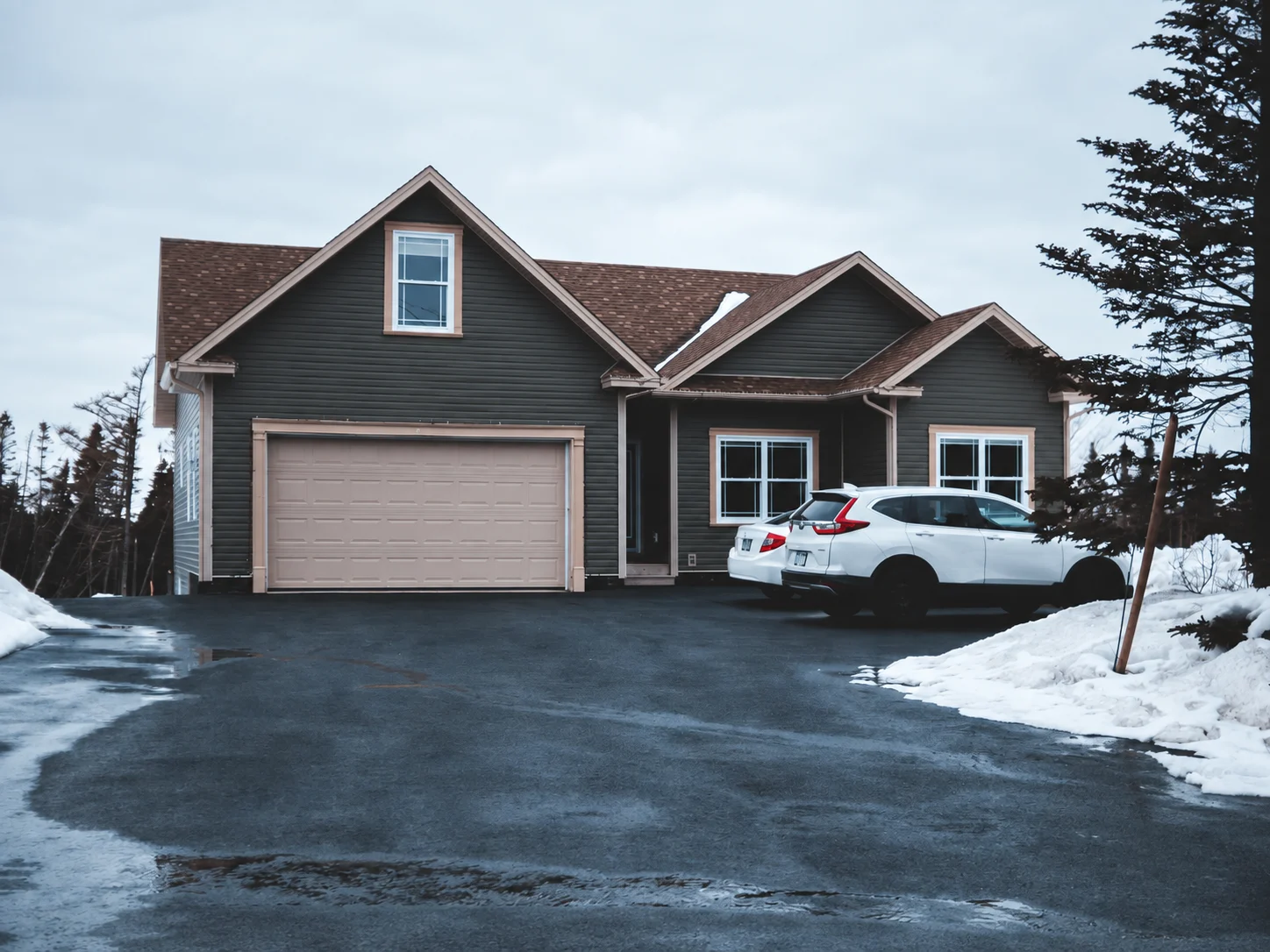
The right garage door should look connected to your home, not like a separate design decision. Its panel pattern, color, texture, and window layout should feel consistent with the exterior.
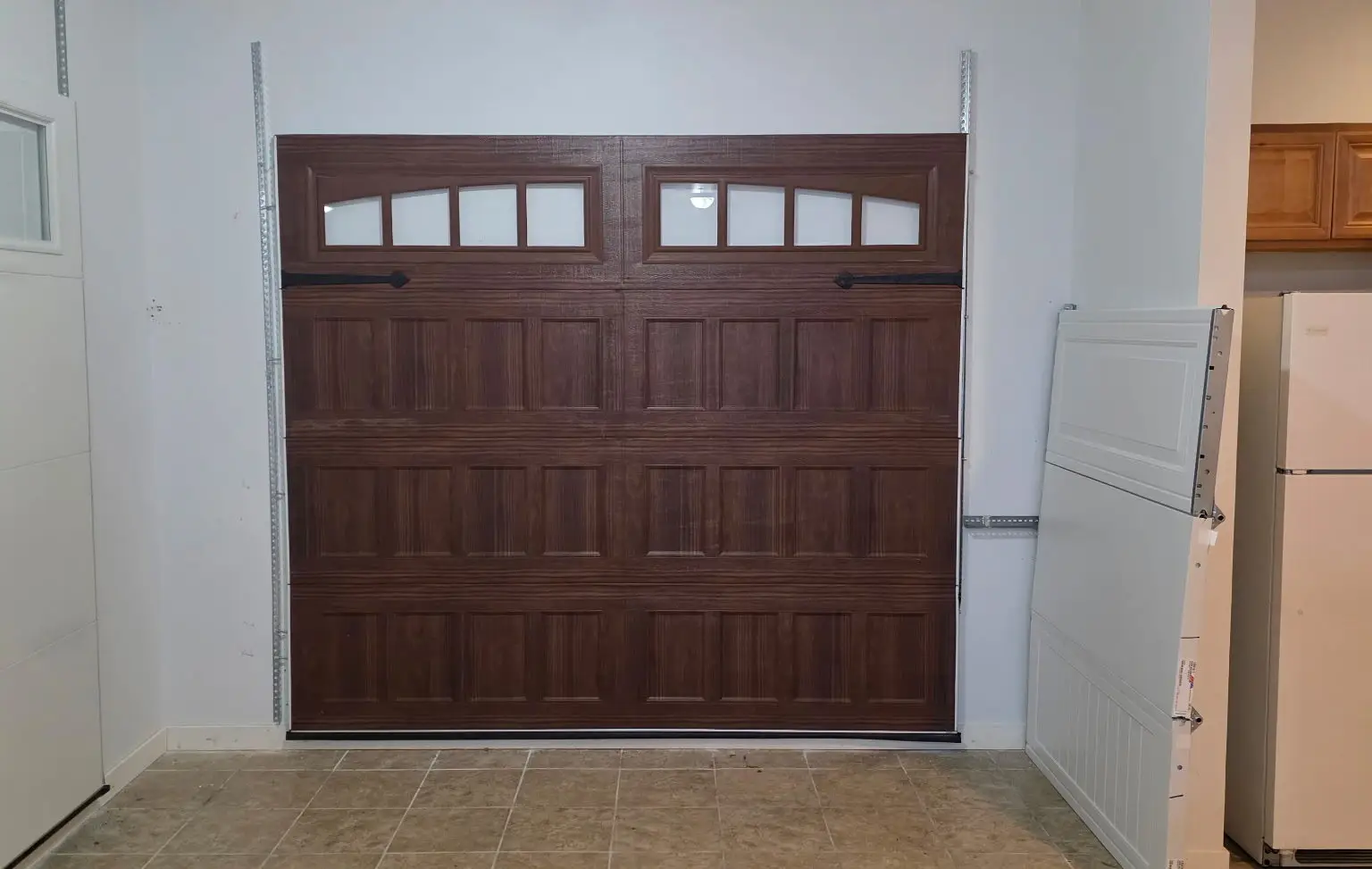
Traditional panel doors are familiar and flexible, especially with classic trim, divided windows, or simple siding. Carriage-style doors, designed to resemble old swing-out carriage house doors, add warmth and character. Contemporary doors use cleaner lines, wider panels, or more glass. Flush-panel doors are smooth or nearly smooth for a simpler modern look.
If you’re deciding between modern full-view or flush-panel designs and warmer carriage-style or traditional panels, start with the house, not the trend. Consider whether the front elevation is simple, detailed, or visually dominated by the garage.
| Style choice | Visual feel | Often considered when | Watch out for |
|---|---|---|---|
| Traditional panel | Familiar and balanced | You want a classic upgrade | Too much detail can feel busy |
| Carriage-style | Warm and decorative | You want character and charm | Hardware details can dominate |
| Flush-panel | Clean and simple | You want a modern look | Plain surfaces show dirt more easily |
| Full-view glass | Bright and contemporary | You want maximum light | Privacy needs careful planning |
A consultation can help compare raised panels, recessed panels, and flat designs. If you’re stuck between detail and a cleaner surface, raised panel vs flush panel doors is useful during planning.
Windows, Privacy, and Natural Light
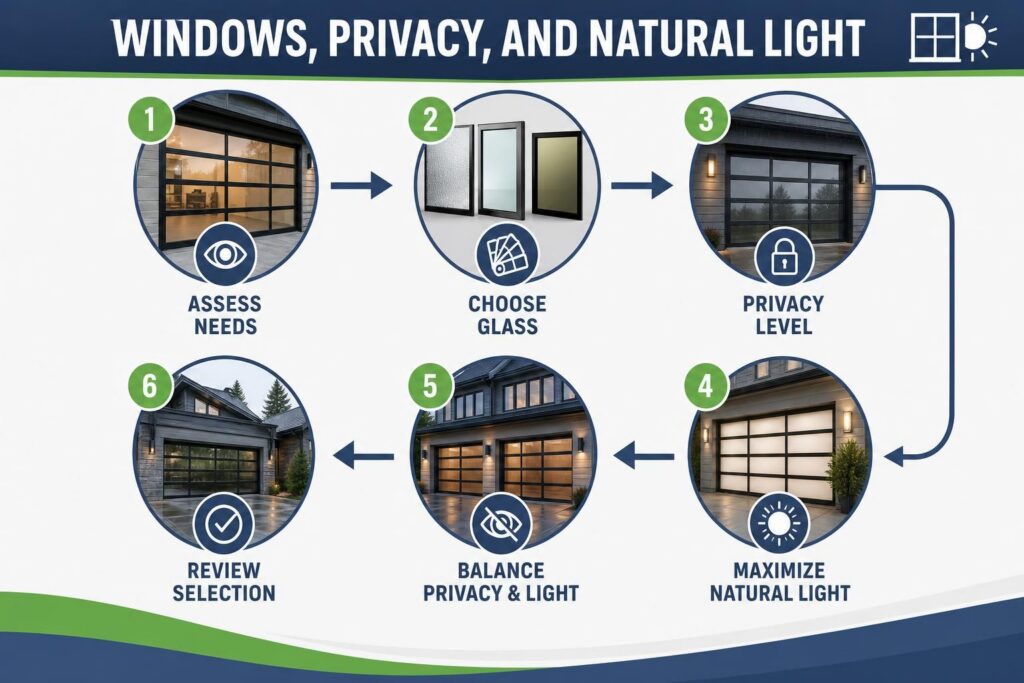
Garage door windows should be chosen based on privacy, light, and how visible the garage is from the street or alley. Windows can make a door feel less plain and bring daylight into a garage used for storage, laundry, hobbies, or daily entry.
But windows are not automatically the right choice. If your Seattle home has a street-facing garage, people may be able to see inside depending on window height, glass type, and driveway slope. Higher window placement often gives you light while limiting direct views. Lower or larger glass sections can look striking, but they may feel too exposed for some households.
Glass options vary, but you can think about them in simple categories. Clear glass gives the most visibility. Obscure or privacy glass blurs the view. Tinted glass changes the look and can reduce how much people see from outside. The best choice depends on what you store in the garage, how close the sidewalk is, and whether the garage faces a quiet alley or a busier street.
A common example is a homeowner who wants a black door with windows because it looks sharp online. That can work beautifully on the right exterior, but the window layout still matters. Before choosing, compare examples like black garage doors with windows and then look at similar real installations.
This is also where Dan’s Garage Door Services can be helpful during a residential garage door consultation. When available, ask to compare real Dan’s project photos or social installation photos, especially homes with similar window placement. Real photos show scale, shadows, and privacy better than manufacturer renderings.
Material, Insulation, and Maintenance Choices
Material and insulation choices should match how often you use the garage, how much upkeep you want, and what look you’re trying to achieve. A garage door is not just a large decorative panel. It moves, seals, gets touched daily, and has to work with springs, tracks, rollers, and an opener.
Steel is common because it offers many design options and relatively straightforward care. Wood or wood-look designs can add warmth, but real wood usually needs more maintenance. Aluminum and glass options can create a modern feel, especially in full-view doors. Composite materials, made from engineered materials instead of solid wood, may be considered when you want a certain look with different upkeep needs.
Insulation means the door has material inside it that helps separate the garage from outdoor conditions. The rating is often described as R-value, which measures resistance to heat transfer. Higher R-value generally means more resistance, but don’t pick insulation from the number alone. Ask how you use the garage.
If your household uses the garage many times a day, stores temperature-sensitive items, or has living space near or above the garage, insulation may be worth discussing. If the garage is detached and mostly used for basic storage, your priorities may be different.
Maintenance matters too. A lower-maintenance door can be a good fit for busy households, but every garage door still needs basic care and periodic professional review. Simple habits, such as listening for unusual sounds and keeping the door area clear, help. For broader ownership planning, regular garage door maintenance can help you understand what ongoing care usually involves without trying risky repairs yourself.
Photos and Measurements That Help
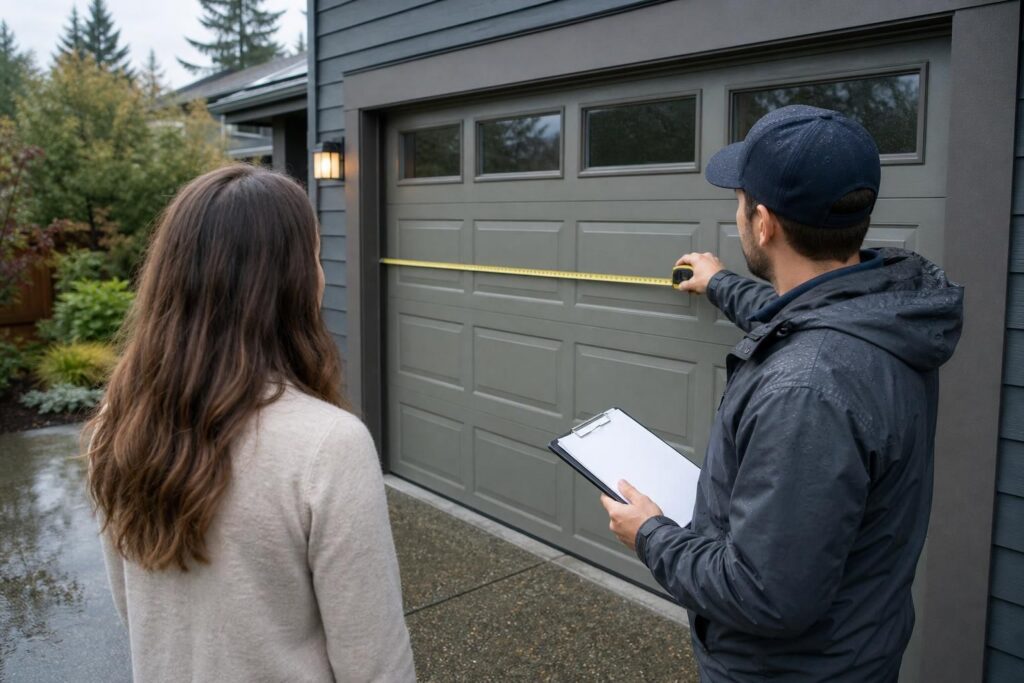
For a design consultation, bring photos, rough measurements, and notes about how you use the garage. Professional drawings are not needed; the consultant just needs useful context before final measurements are confirmed.
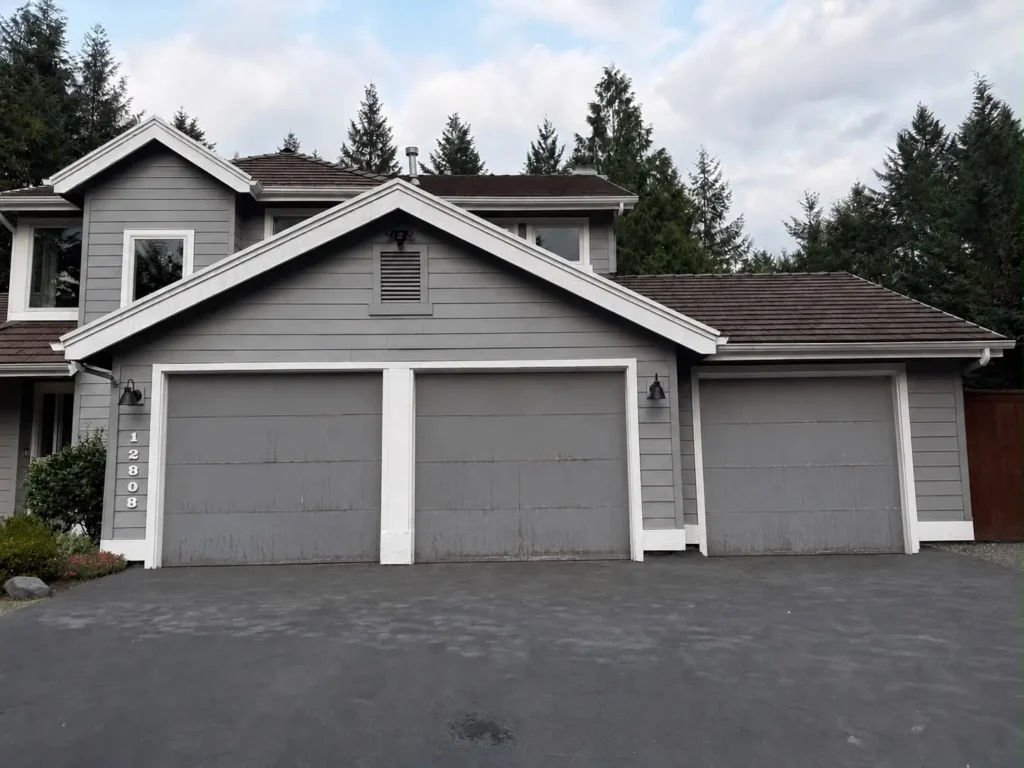
Take photos straight on, from the driveway, and from the street if the garage is visible there. Include the full front of the home, not only the door. For alley-facing garages, show the approach and available space.
Rough measurements help narrow options, but professional measuring still matters. Opening width, opening height, side room, headroom, and track layout affect what door and hardware will work. Older, uneven, narrow, or low-clearance openings need installer review.
Bring opener notes too. If safe, photograph the motorized opener unit and remote setup without inspecting wiring or adjusting anything yourself.
| Preparation item | What to capture | Why it helps |
|---|---|---|
| Front exterior photos | Whole house and garage | Shows style, color, and scale |
| Garage opening photos | Door, trim, ceiling area | Flags fit and clearance questions |
| Rough measurements | Width, height, visible side space | Helps narrow realistic options |
| Use notes | Parking, storage, daily entry | Guides insulation and material choices |
If you’re comparing where to buy and how to evaluate options, Seattle buying options can help before final ordering.
Book a Seattle Garage Door Consultation
Booking a Seattle garage door consultation makes sense once you have a general idea of what you like and want help narrowing it down. You don’t have to know the door model, material, or window pattern before reaching out. In fact, that’s the point of the appointment.
Before you book, gather three things: photos of your current door, a few inspiration examples, and notes about your priorities. Your priorities might be privacy, curb appeal, lower maintenance, more light, better daily use, or replacing a worn-out door before it becomes a bigger problem.
A helpful consultation should leave you with a shorter list of options. You should understand which garage door styles Seattle homes like yours can support visually, which choices need installer review, and what decisions affect pricing. Pricing depends on the selected door, options, and installation conditions, so confirm current pricing with the provider before purchase.
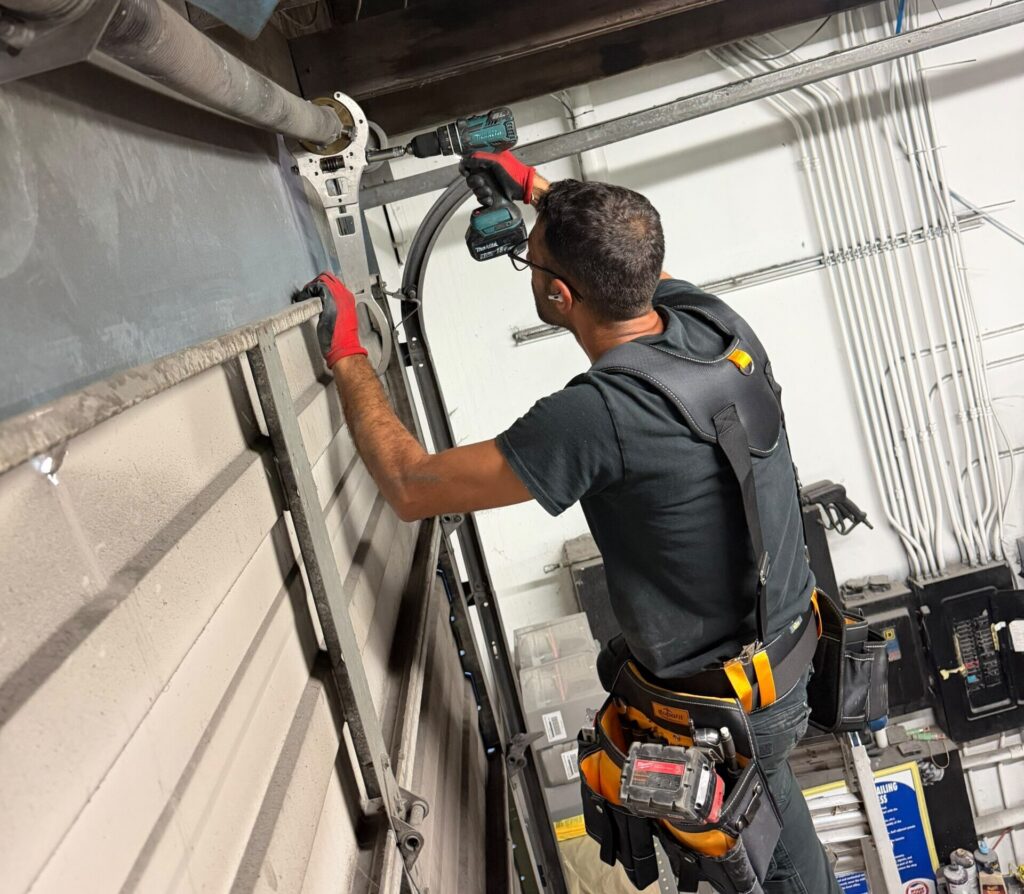
This is also the right time to talk about the path from design choice to installation. A new door is not just selected and placed in the opening. It has to work with tracks, springs, cables, rollers, opener settings, and the structure around the opening. Those parts are safety-critical, so they belong with trained professionals. If you’re ready to move from planning to the actual project, new garage door installation is the natural next step after design decisions are made.
When you contact Dan’s Garage Door Services, ask for guidance on comparing door styles, window layouts, material choices, and installation requirements for your specific home. If project or social photos are available, use them during the conversation. They can make the final choice feel much more concrete.
Conclusion
A garage door design consultation in Seattle helps you choose new garage door options with fewer surprises. The right conversation should clarify style, windows, privacy, material, insulation, measurements, opener compatibility, and installation concerns before you buy.
Start by gathering photos, rough measurements, and a few examples you like. Then use the consultation to narrow your choices, not to rush the purchase. If you want help comparing residential garage door options for your Seattle home, book a consultation with Dan’s Garage Door Services and move forward with a door that fits both your home and your daily life.