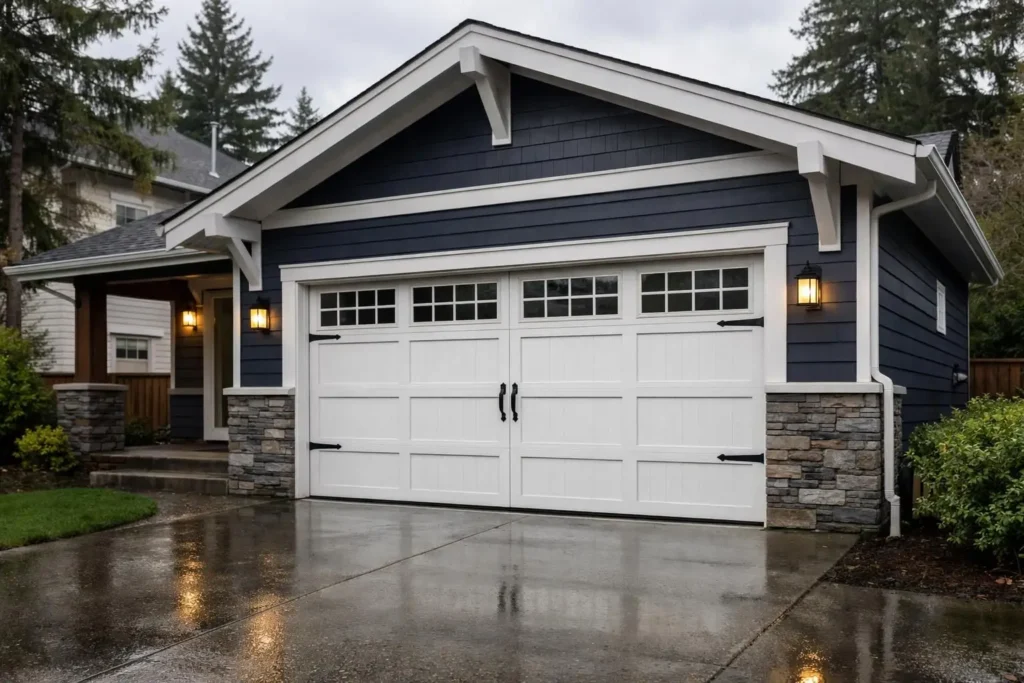
If you’re wondering where to buy garage doors in Seattle, you’ve got a few solid paths. You can buy from a big-box home improvement center, a local independent garage door company, a manufacturer’s dealer network, or an online garage door retailer. While you can buy in-store or online, the best way to ensure a perfect fit for Seattle’s unique climate is through a local expert. This guide breaks down each option in plain English, plus what to compare so you don’t get stuck with the wrong door for a rainy, drafty Pacific Northwest winter.
Best for: Homeowners who want a door that fits right, looks good, and can handle Seattle’s wet, cool seasons.
Not ideal when: You don’t know your door size yet or your opening is out of square and needs on-site measuring.
Good first step if: You can measure door width and door height, then request a quote from two different sellers.
Call a pro if: Your door is heavy, uses springs, or you want a warranty that covers both parts and labor.
Quick Summary
- You can buy in-store, online, or through a local garage door dealer, and each route changes lead time and support.
- Big-box stores work well for common sizes, but special order is normal for specific colors, windows, or insulation.
- Local dealers are usually best when you need design help or a clean install on an older Seattle garage opening.
- Manufacturer dealer locators help you find authorized sellers for specific brands and warranty rules.
- Before you pay, compare size, material, insulation R-value, windows, hardware, delivery, and whether installation is included.
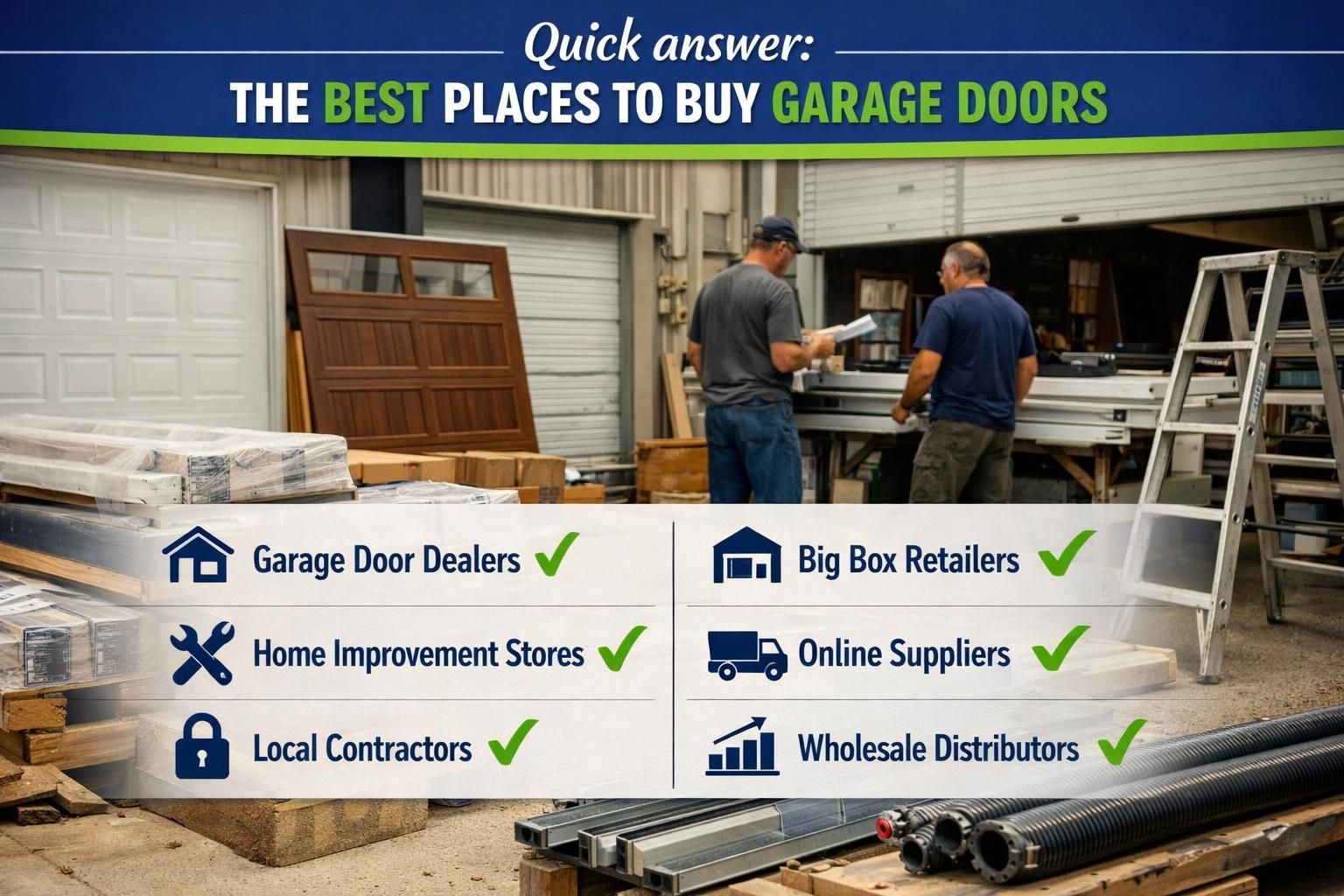
Quick Answer: the Best Places to Buy Garage Doors
Quick Answer: The Best Places to Buy Garage Doors Best places to buy: big-box stores, local garage door companies, manufacturer dealer locators, and online-only retailers. In Seattle, choose based on whether you want pro installation or manage delivery and service yourself. Skip the guesswork – use our Interactive Door Designer to build your dream door and get a local quote instantly.
If You Want the Lowest Hassle (Door + Installation)
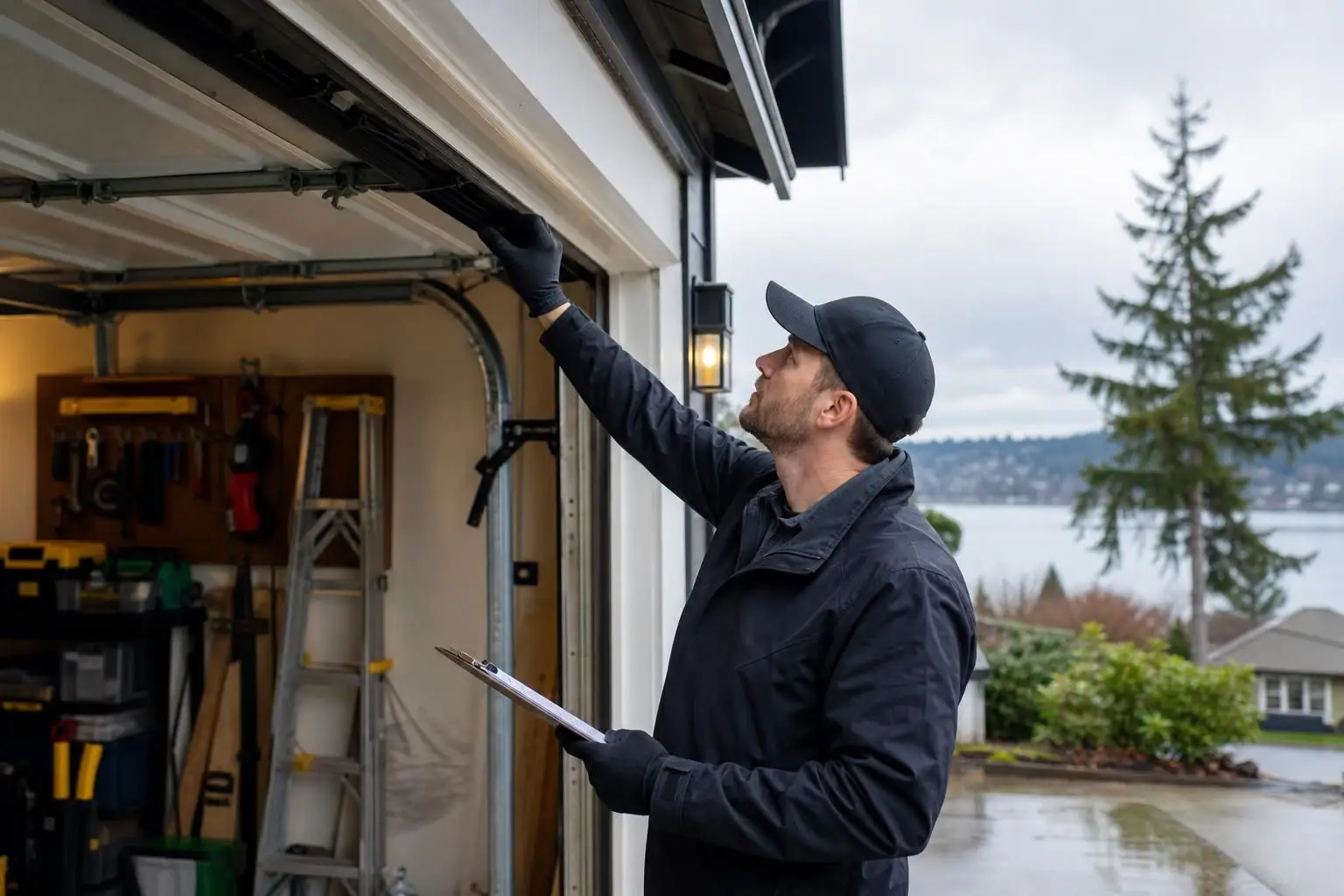
Local dealers are the simplest option because one team measures, orders, and installs — no middleman, no excuses. At Dan’s Garage Door, we measure, sell, and install everything ourselves. For instance, if your garage opening is slightly crooked in an older craftsman home, a pro can order the right fit.
If You Want the Lowest Upfront Cost (DIY-friendly)
Online sellers and in-stock big-box doors can be cheaper up front if you handle pickup, disposal, and install. For example, if you’re replacing a standard single door in a flat driveway garage, DIY can pencil out.
Big-box Home Improvement Stores
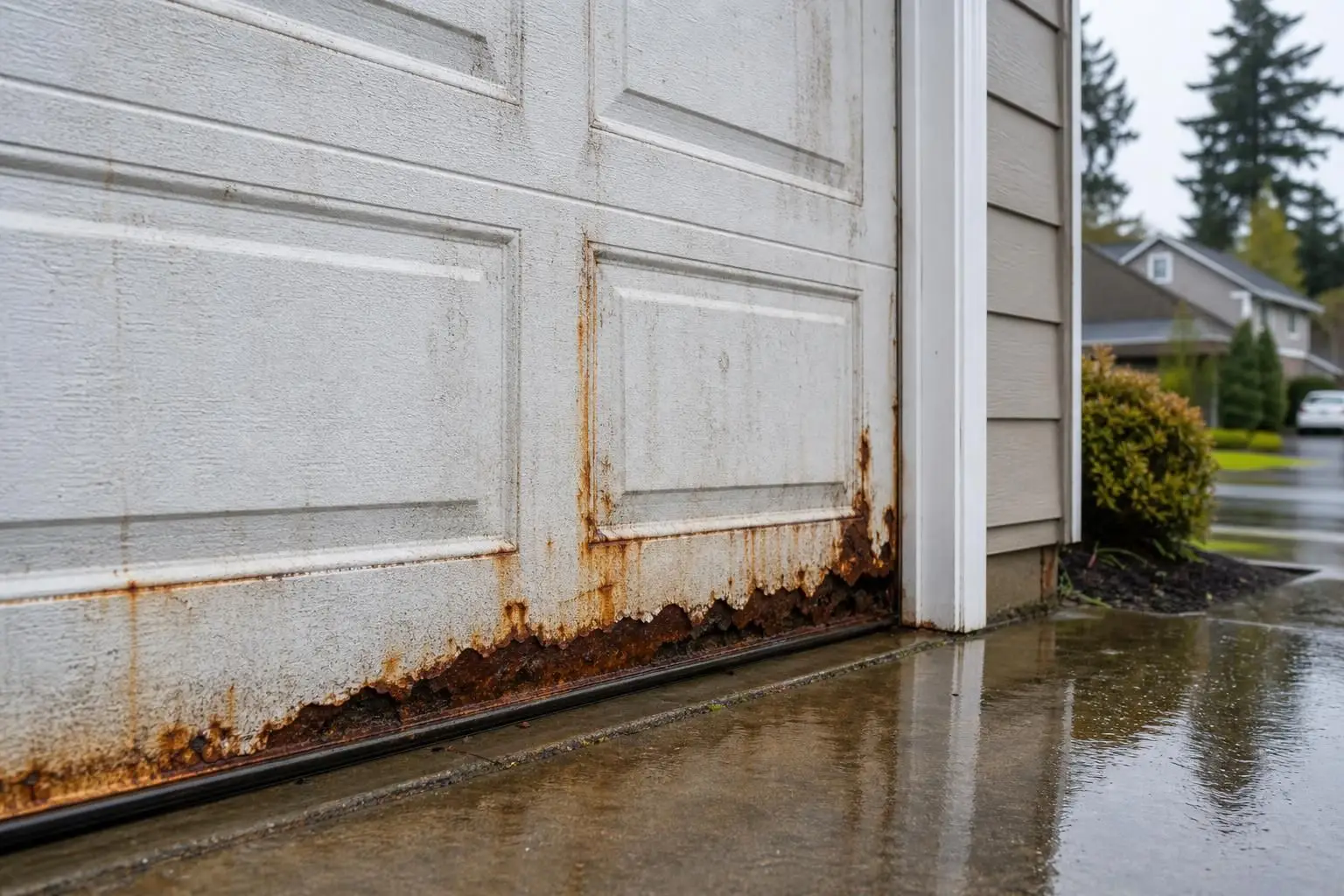
Big-box stores are convenient for predictable shopping and common in-stock sizes. However, they often use third-party sub-contractors for installs — installers who may be unfamiliar with the specific structural needs of older Seattle homes. In Seattle’s wet climate, a door that isn’t perfectly sealed or calibrated will lead to drafts and rot.
In-stock vs Special Order: What to Expect
In-stock usually means limited sizes and colors, while special order means you choose more features and wait longer. For instance, adding glass or a specific paint-ready finish often pushes you into a custom order with a lead time.
Pros/cons: Pricing, Selection, and Installation Add-ons
Big-box pricing can hide add-ons like install, haul-away, or framing tweaks. You may find disposal or opener work isn’t included. For style comparisons, use garage door types overview.
Local Garage Door Companies (Dealers/installers)
Local garage door companies measure, order, and install with fewer handoffs. In older Seattle garages, openings can be uneven. A dealer can spec the right door, flag worn tracks, and handle follow-up repairs. Don’t guess what looks good — use our [Interactive Door Designer] to see exactly how a new door looks on a Seattle-style home before you buy.
When Local Dealers Are the Best Choice (Custom Sizes, Design Help, Warranties)
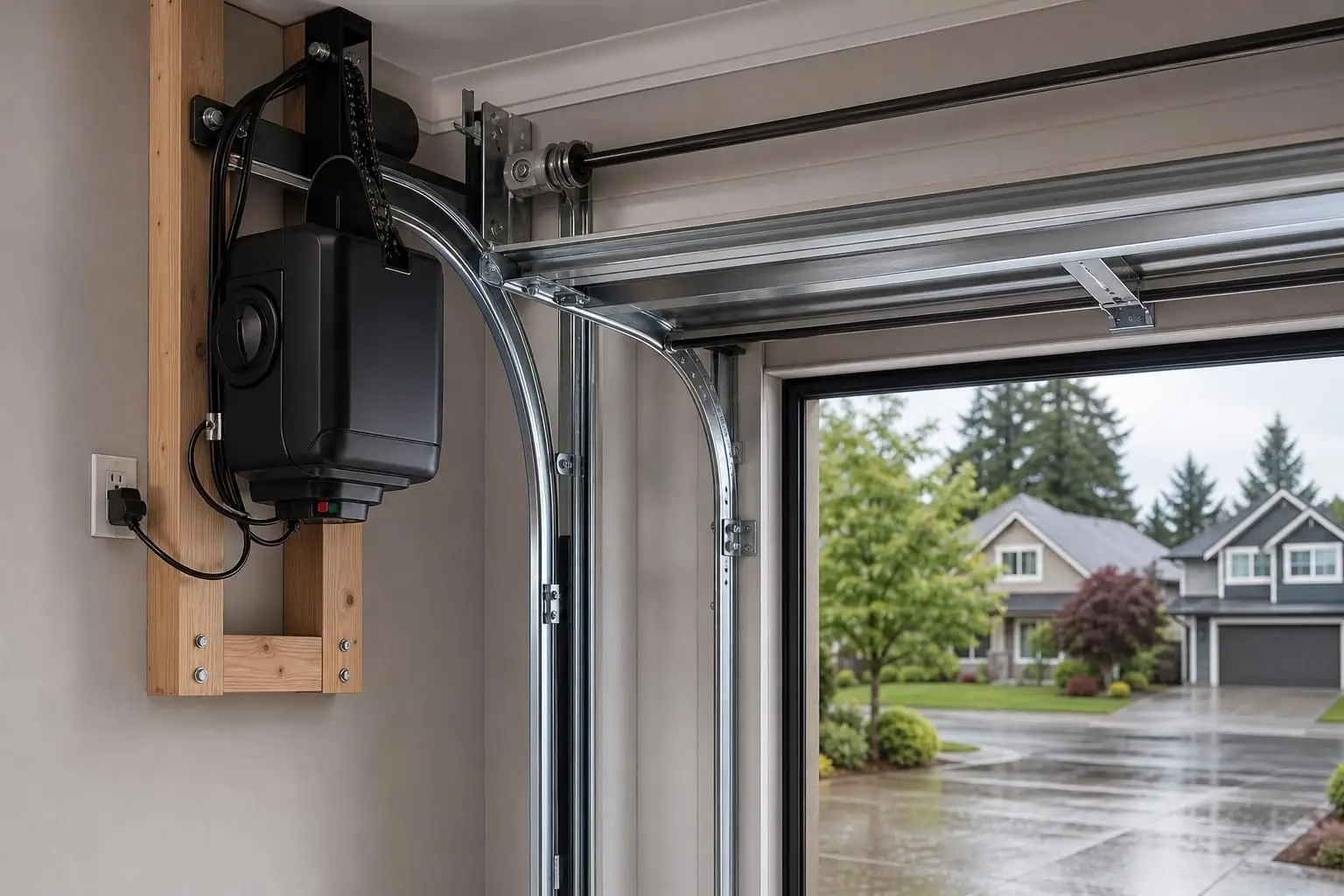
Local dealers are best for tricky openings, design guidance, and stronger warranty support. They can steer you away from hardware that traps grime in wet weather. Compare materials with steel wood or aluminum.
Manufacturer Dealer Locators (Amarr, Overhead Door, Clopay, Etc.)
Manufacturer dealer locators help you find authorized sellers for a specific brand and configuration. If you already know the manufacturer, this narrows choices fast. Contact two listed dealers and request quotes on the same design and insulation level.
How to Verify You’re Using an Authorized Dealer
Verify the dealer appears in the manufacturer locator and can explain warranty coverage clearly. Ask who processes claims and get it in writing. If choosing windows, review garage door window choices first.
How Consultations, Promos, and Installation Typically Work
Typically: consultation, select options, then schedule install after delivery. Custom colors or windows usually increase lead time. For common add-on costs, what affects install pricing helps prevent surprises.
Online-only Retailers & Direct-to-consumer Sellers
Online-only retailers work if you measure accurately and can manage delivery. They suit DIY replacements and shoppers who want many filters or a visualizer. Order your configuration, then hire a local installer.
Shipping, Freight Delivery, and Damage Checks
Freight delivery usually arrives on a pallet. Inspect panels immediately for dents,
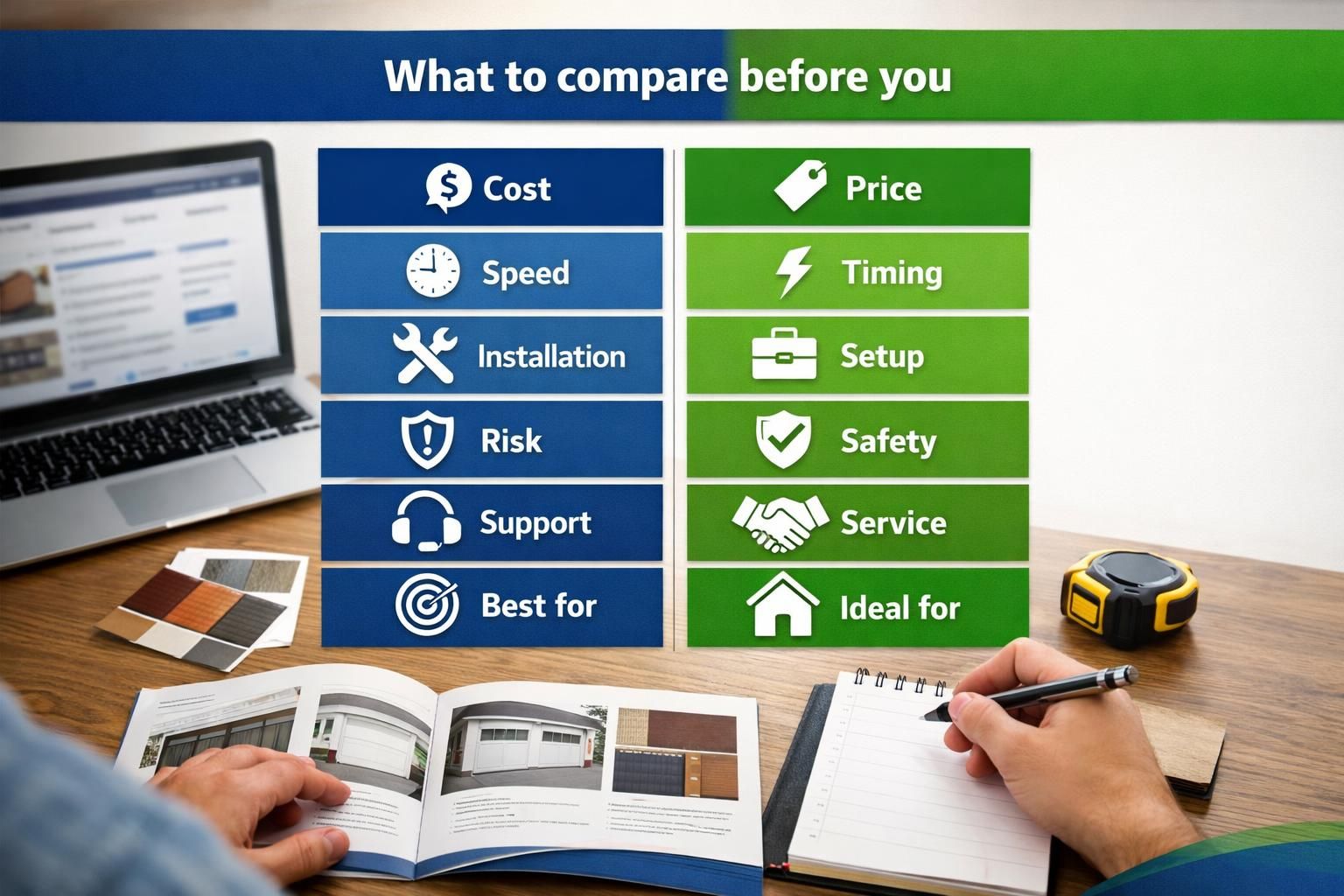
What to Compare Before You Buy (Checklist)
Compare the same door specifications, not just the price. Confirm size and opener clearance, material, insulation R-value, style, options, delivery and lead time, damage checks, and whether installation, adjustments, and service are included.
Conclusion
The best place to buy a garage door is where you get the most support. If you’re in the Seattle area, don’t settle for a generic retail experience. Use our Door Designer tool right now to see your options, or call us at (206) 701-7810 for a professional consultation covering everything from repair services to full new door installations. Start by measuring your opening, then get two quotes that match the same size, material, and insulation level — and if your door is heavy or spring-loaded, lean toward a pro install so safety and warranty coverage don’t become your problem later.