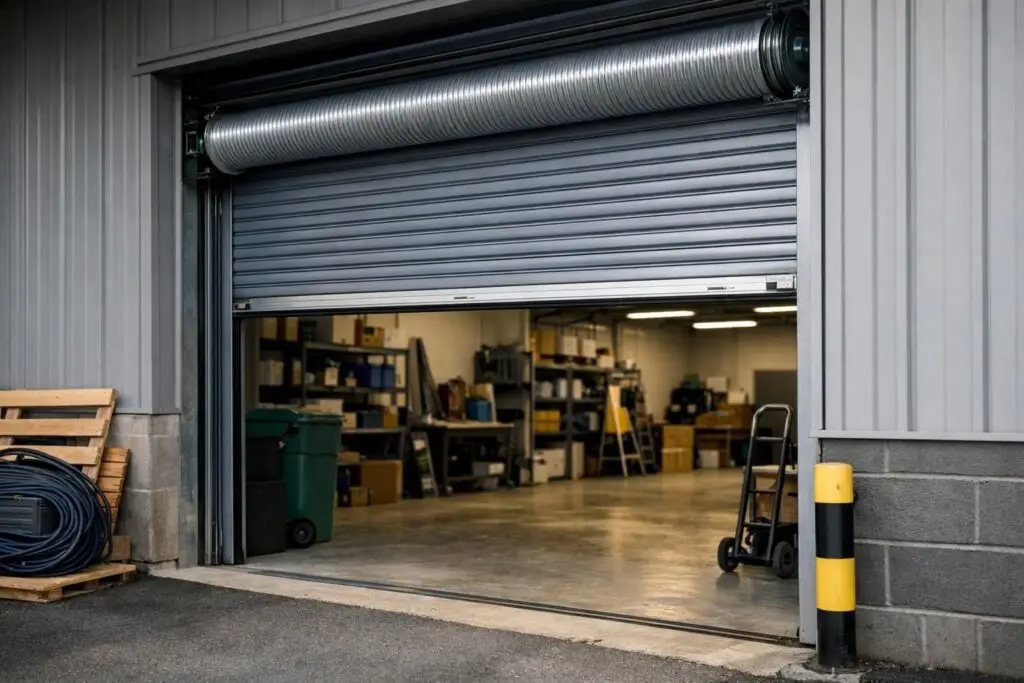
Roll up garage doors are a practical choice when you want maximum overhead storage and a clean, durable opening. You’ll see them all over light-industrial areas and alley-loaded garages. And lately, more homeowners are considering them for tight driveways and workshops, too. In this guide, you’ll learn what roll up garage doors are, how they compare to sectional doors, how sizing and clearances work, and what typically drives residential roll up garage doors cost. We’ll also walk through materials, hardware options, and the maintenance issues that come up in rainy, coastal, or wind-prone neighborhoods.
Best for: Garages or storefronts needing more ceiling space, simple operation, and a door that handles frequent open-close cycles.
Not ideal when: Your garage has very low headroom, or you want lots of windows and a “homey” look from the street.
Good first step if: You can measure your opening and confirm you have enough side and ceiling clearance for the coil.
Call a pro if: The door binds, drops fast, has frayed cables, or you’re unsure about springs and wind-rated mounting.
Quick Summary
- Roll-up doors coil into a compact roll above the opening, freeing up ceiling space for storage or lifts.
- The best fit depends on usage: daily residential parking feels different than a busy back-of-house loading bay.
- Measuring isn’t just width and height. You also need headroom, sideroom, and backroom clearances.
- Costs usually break into three parts: the door, the opener (if motorized), and installation complexity.
- Material and insulation choices affect noise, durability in wet climates, and comfort in attached garages.
What Roll up Garage Doors Are (and Where They’re Used)
Roll up garage doors are doors made of horizontal slats that wrap around a drum, or coil, above the opening. Because the door “rolls” instead of sliding on long ceiling tracks, you keep more usable space overhead. That’s why they’re common behind retail buildings, in warehouse alleys, and on detached garages where you want storage racks close to the ceiling.
For example, in a dense neighborhood with narrow lots, a roll-up door can leave enough ceiling room for bikes, kayaks, or a small hoist without the door tracks taking over the space. If you want a broader overview of styles, other common door types is a helpful reference.
Roll-up Vs. Sectional Garage Doors
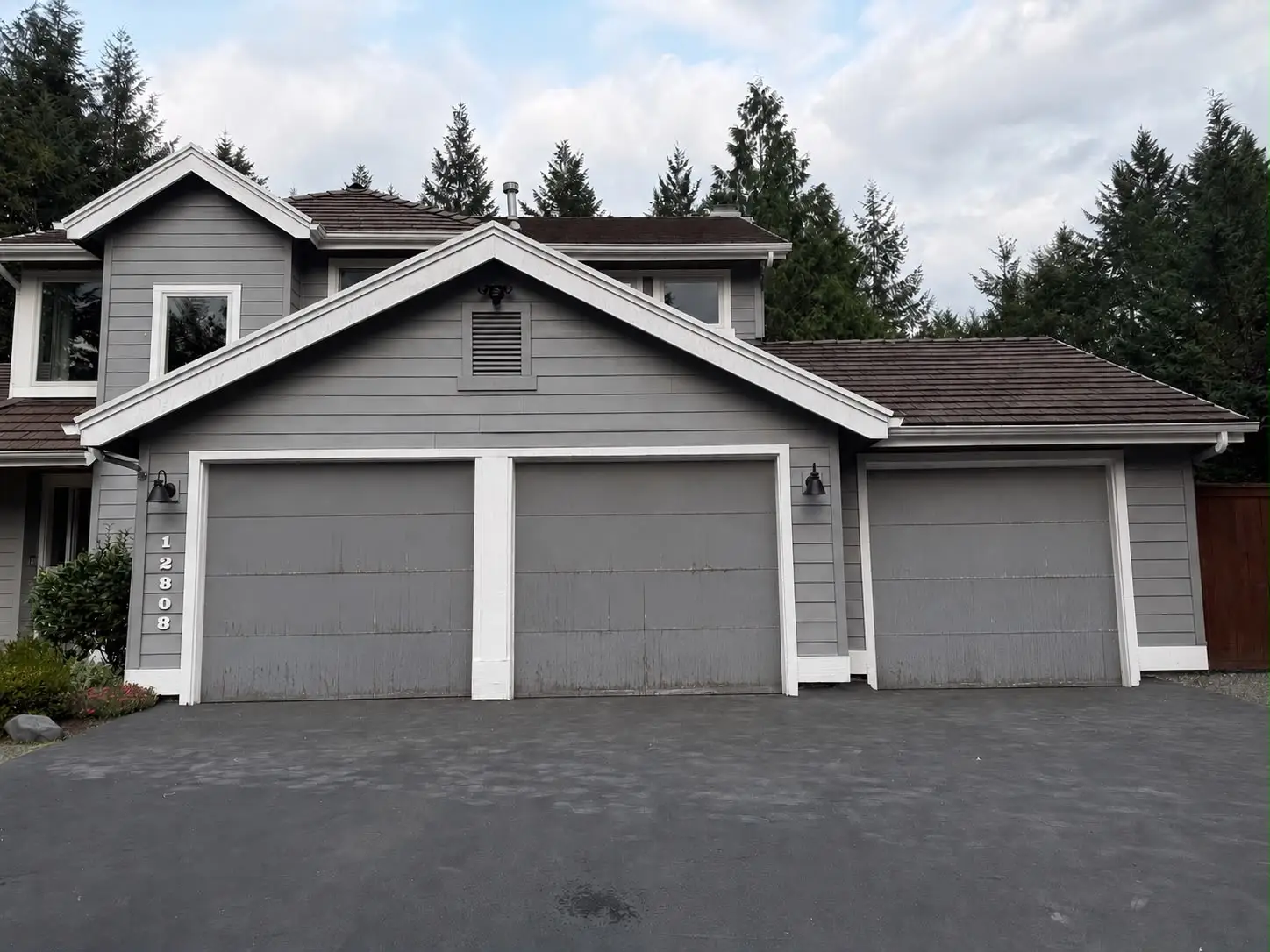
A roll up garage door vs sectional choice mostly comes down to space and appearance. Roll-up doors coil tightly above the opening. Sectional doors use large panels that ride on tracks into the garage. For instance, a typical suburban front-facing garage often prefers sectional for curb appeal, while a workshop off an alley may prefer roll-up for ceiling clearance.
Types of Roll up Doors (Sheet Vs. Rolling Steel Vs. Insulated Slats)
The three main roll-up styles are sheet doors, rolling steel doors, and insulated slat doors. Sheet doors are usually one continuous sheet that corrugates (wavy ridges) for strength. Rolling steel uses interlocking slats, which are individual curved strips that hinge together as the door moves. Insulated slats add foam inside the slats to reduce temperature swing and outside noise.
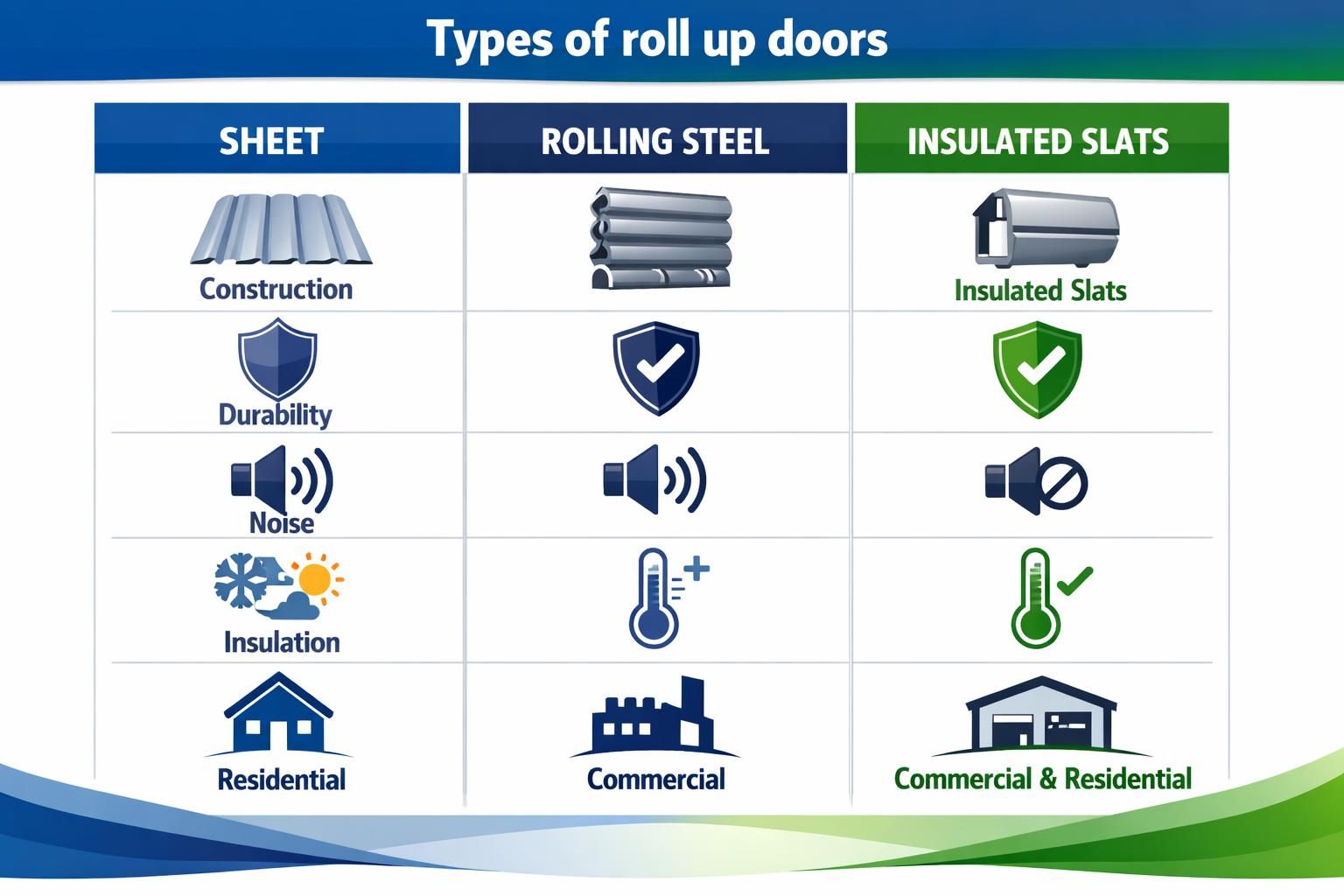
For example, a small auto-detail bay in a rainy district might pick rolling steel for durability and frequent cycles. Meanwhile, a homeowner with an attached garage may lean toward insulated slats so the room next to the garage doesn’t feel as drafty. If you’re comparing materials across door styles, material pros and cons can help you think it through.
Which Type Fits Residential Vs. Commercial Needs
Residential installs usually favor quieter operation and better sealing, so insulated slats often feel like the best compromise. Commercial sites usually prioritize toughness and serviceability, so rolling steel is common. For instance, a neighborhood brewery receiving deliveries daily will value impact resistance, while a home gym garage will care more about temperature and noise.
Roll up Garage Door Sizes, Clearances, and Measuring Basics
Roll up door sizes aren’t “one size fits all,” because the coil needs space and the guides need solid framing. Start by measuring the clear opening width and height, which is the unobstructed rectangle you drive through. Then confirm the jambs (the vertical sides of the opening) are sound and square, since roll-up guides mount there.
For example, an older detached garage near the water might have swollen or softened wood jambs. That can throw off alignment and make the door rub. If you want a quick sense of common dimensions before you measure, typical size ranges is a useful baseline.
Headroom, Sideroom, and Backroom Requirements
Headroom is the space above the opening for the coil and brackets. Sideroom is the space on each side for the guides and fasteners. Backroom is the depth into the garage for operation and service access. For instance, if you’ve built shelves right above the opening, you may need to move them so the coil can sit safely.

Roll up Garage Door Costs (Door, Opener, Installation)
Roll up garage door costs usually come from three buckets: the door itself, the operator (manual or motorized), and installation conditions. The door price changes with size, insulation, and build quality. The opener cost depends on whether you need simple push-button control or a commercial-rated operator for frequent use. Installation costs rise when framing needs repair, the opening isn’t square, or wind bracing is required.
For example, a coastal or hilltop location may need a wind-rated setup, and that can mean sturdier mounting and tighter tolerances. If you’re also pricing other door styles side-by-side, overall door cost guide can help you keep comparisons fair.
What Most Affects Price (Size, Gauge, Insulation, Wind Rating)
The biggest levers are size, steel gauge (thickness), insulation, and wind rating. Thicker steel usually resists dents better. Insulation adds comfort but also adds weight and hardware demands. Wind rating matters in exposed corridors where gusts hit the door like a sail. For instance, a wide opening facing an open parking lot may need extra reinforcement.
Materials, Insulation, and Performance Options
Material choices shape how the door feels day to day: sound, corrosion resistance, and how well it seals. Steel is common because it’s strong and widely serviceable. Aluminum is lighter and resists rust, which can matter in salty air, but it can dent more easily. Insulation helps if your garage shares a wall with living space or you use the garage as a workspace.
For example, if your laundry room sits above the garage, an insulated door can reduce the “cold floor” feeling in winter. And if drafts are your main issue, don’t skip the perimeter seals and bottom seal. You can dig deeper into sealing details in weatherstripping basics.
Steel Vs. Aluminum, R-value Basics, and Noise Considerations
R-value is a simple measure of insulation performance. Higher R-value generally means better resistance to heat flow. Steel doors often sound “tinny” without insulation, while insulated slats can sound more solid. For instance, if bedrooms sit above the garage, reducing rattle and vibration may matter as much as temperature.
Hardware & Operation Options (Manual, Chain Hoist, Motor)
Operation choice depends on door weight and how often you’ll use it. Manual push-up works on smaller, lighter doors when the spring balance is correct. A chain hoist is a manual assist that uses a looped chain to lift heavier doors with less effort. A motorized operator uses an electric motor to open and close the door, which is handy for daily parking or employees coming and going.
For example, a small neighborhood warehouse might use chain hoist so staff can operate the door reliably without relying on remotes or power. A homeowner pulling in during heavy rain will appreciate a motor. If you’re also choosing an opener style, chain vs belt basics is a good next read.
Safety, Locks, and Emergency Release Features
Safety features matter because roll-up doors are heavy and store energy in springs. Look for an emergency release on motorized setups so you can open the door during a power outage. Locks can be slide bolts or keyed cylinders, depending on use. For instance, an alley-facing garage may prioritize a robust lock and shielded hardware to discourage tampering.
Maintenance and Common Problems (and When to Call a Pro)
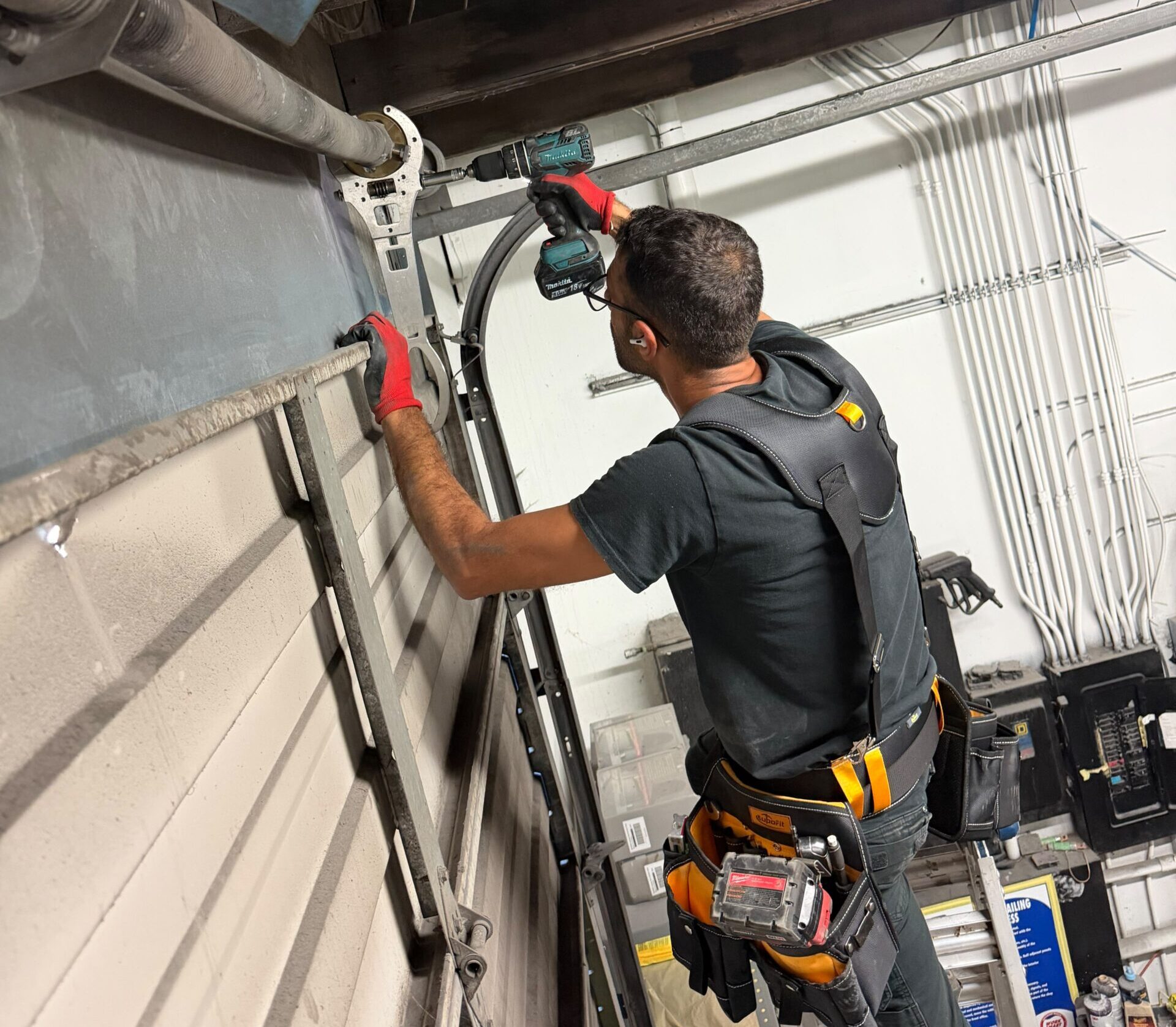
Roll-up doors stay reliable when you keep them clean, aligned, and properly lubricated. Dirt and grit in the guides can cause binding, especially in areas with lots of windblown debris or road grit. Also watch for uneven movement, loud scraping, or a door that won’t stay at mid-height, which can signal spring balance issues.
For example, after a stormy week, you might notice the door hesitating on the way down because leaves packed into the guide. Cleaning the guides and checking the bottom seal can solve it. But if cables look frayed or the door slams down fast, stop using it and call a pro. For urgent situations, what to do next can help you stay safe while you wait.
Typical Wear Items and Preventative Care
Common wear items include rollers (if used in your guide setup), guides, bottom seal, fasteners, and the spring system. A simple routine helps:
- Wipe debris from guides
- Listen for new grinding or popping sounds
- Lubricate approved points lightly
For instance, a door near the ocean may need more frequent inspections because corrosion can loosen hardware faster.
Buying Checklist and Where to Shop (Manufacturer Vs. Retailer Vs. Local Installer)
The best buying path is the one that matches your door’s complexity and your building’s quirks. Manufacturer-direct can work if you already know exact roll up door sizes and your opening is standard. Retailers are convenient for comparing finishes and availability. Local installers are often the safest choice when the jambs need repair, the site is exposed to wind, or you need help matching the operator to daily use.
For example, a sloped driveway in an older neighborhood can change how you want the bottom seal to meet the floor, and an experienced installer will spot that early. Before you commit, use this checklist:
- Confirm opening measurements and clearance needs
- Choose door type and insulation level based on how you use the space
- Decide on manual, hoist, or motor operation
- Ask what’s included: guides, locks, weather seals, disposal of old door
If you want a local cost lens, installation cost factors adds context.
Conclusion
Choosing roll up garage doors comes down to space, usage, and how much comfort you want inside the garage. Measure carefully, confirm clearances, and pick a door type that fits your daily routine, not just the opening size. If your site is windy, coastal, or the framing is questionable, get an installer involved early so your roll up garage doors operate smoothly and safely for years.